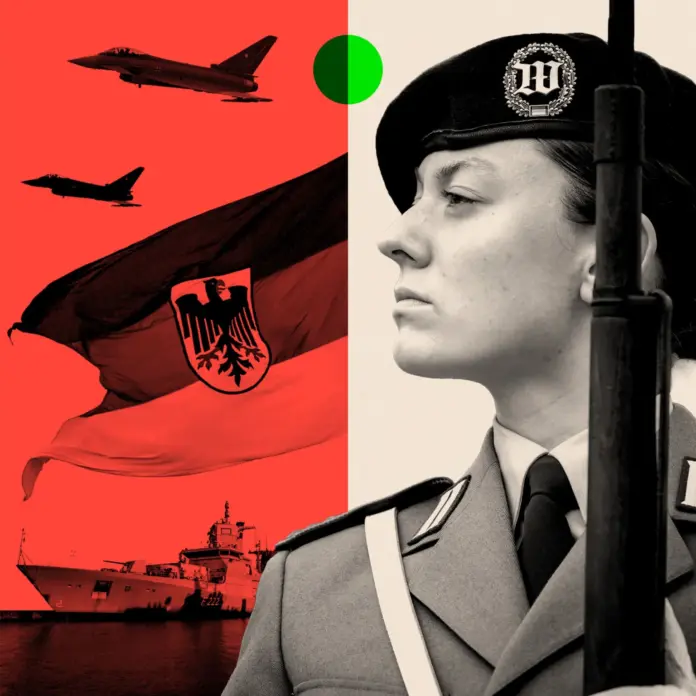
On a training ground near the Belarusian border, the thunder of German armour fills the air. The Panzerbrigade 45 — Germany’s 45th Armoured Brigade — is conducting live-fire exercises, a visible signal of a country that has concluded, with some urgency, that the era of strategic complacency is over.
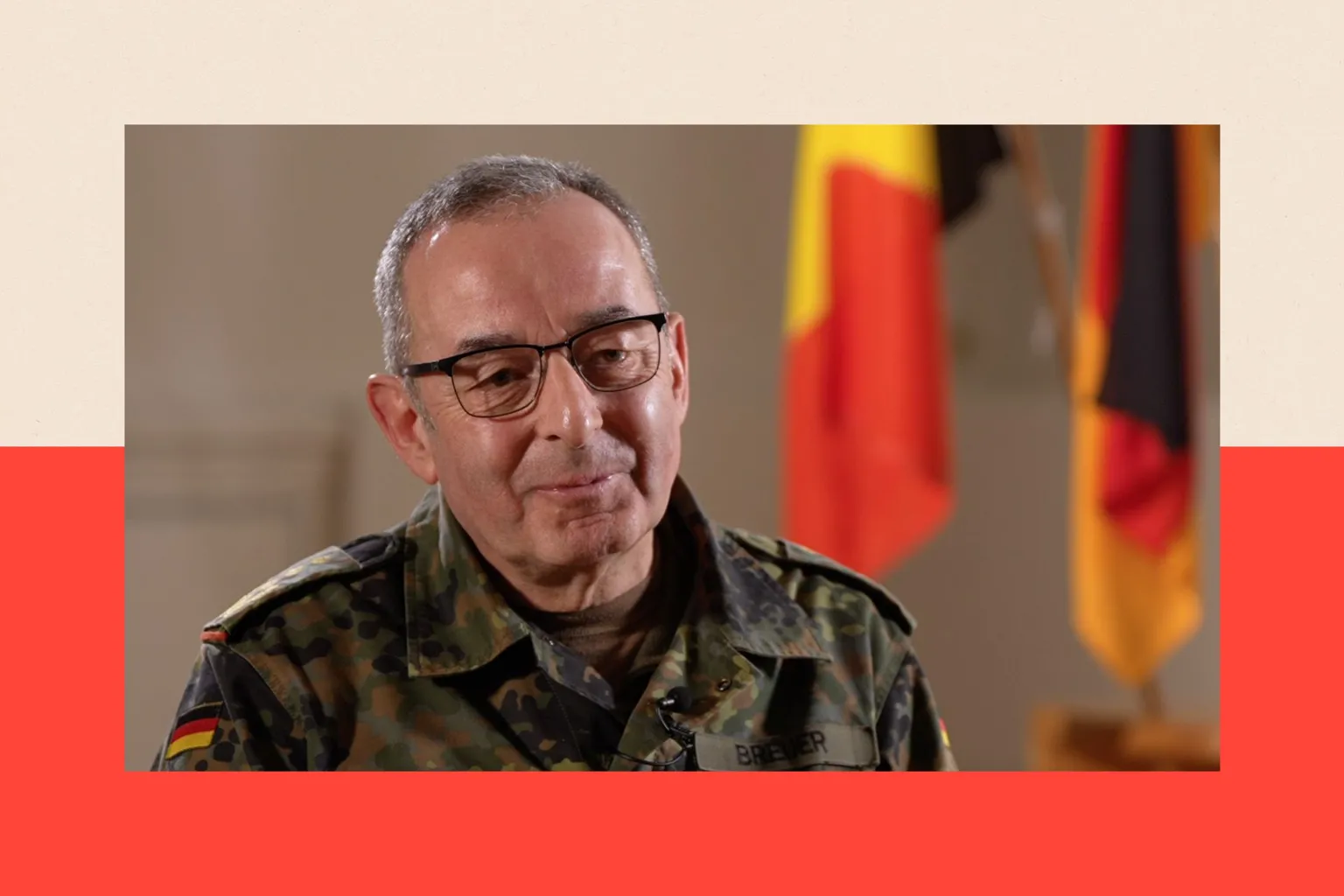
The man driving that transformation is General Carsten Breuer, head of Germany’s armed forces. His assessment is stark: Russia will be militarily capable of launching an attack on NATO territory by 2029. That timeline is shaping every decision Berlin is now making about its military future.
"We have a window," is the implicit message from Germany’s defence establishment. The question is whether the country can close it in time.
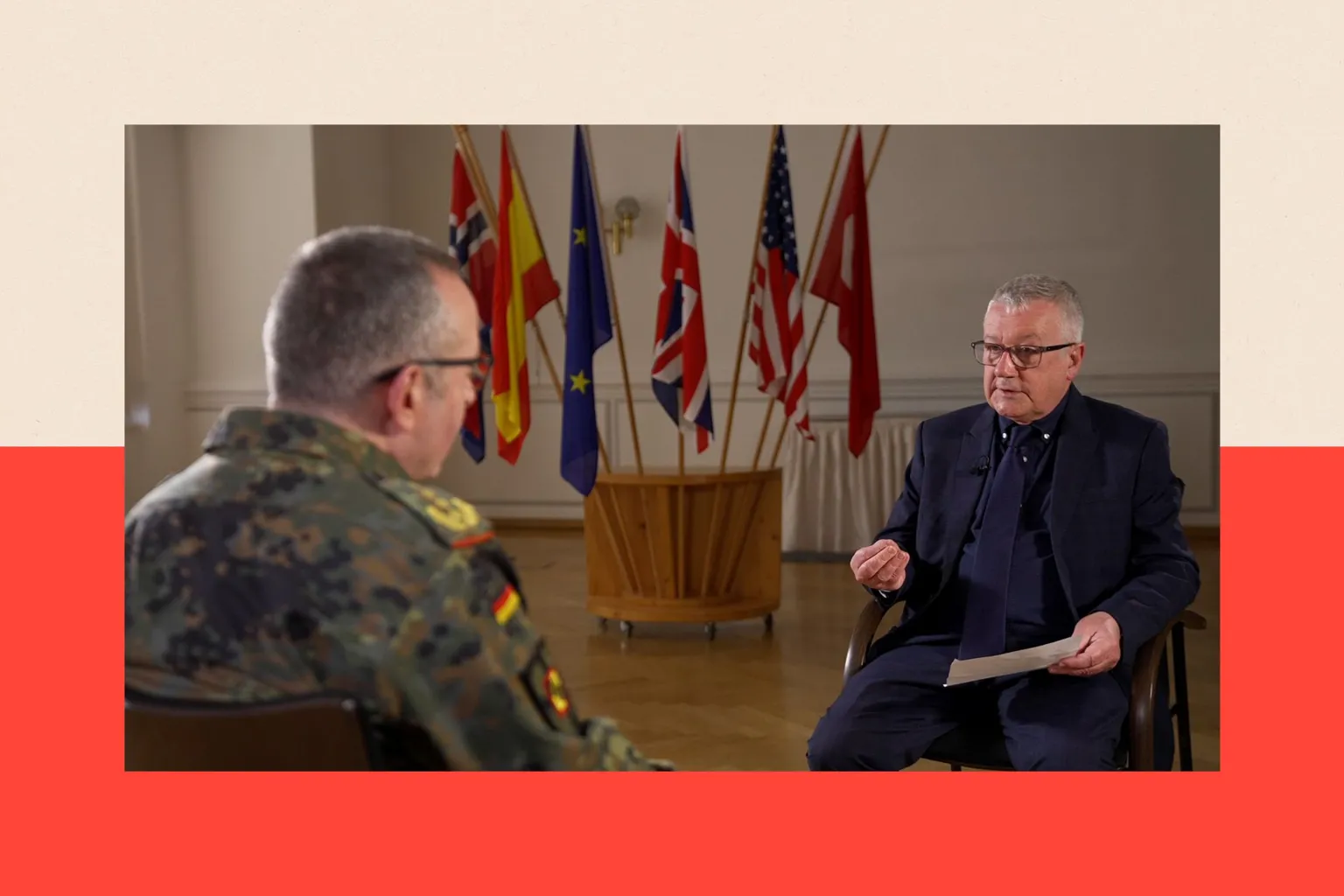
Breuer, who joined the West German army in 1984 at the age of 19, currently commands 182,000 service personnel — a fraction of the more than half a million troops Germany maintained under arms during the Cold War. He wants to add 20,000 personnel within a year and 60,000 within a decade, backed by a planned reserve force of 200,000. Early signs suggest the public is responding: 16,100 Germans applied to the armed forces in February alone, a 20% increase on the same month the previous year, while 5,300 new recruits joined in 2025, up 14% on the prior year.
The financial commitment is equally sweeping. Germany’s defence budget stands at €95 billion in 2025 and is projected to reach €162 billion by 2029. To unlock that spending, the German parliament voted earlier this year to amend the country’s constitution, lifting the strict borrowing constraints that had long capped public expenditure. The new target — 5% of GDP — matches a pledge made by the United Kingdom, which aims to reach that level by 2035, and far exceeds France’s target of 3.5%. Russia, by comparison, was estimated to have spent 7.1% of its GDP on its military in 2024. Germany has already become the fourth largest defence spender in the world.
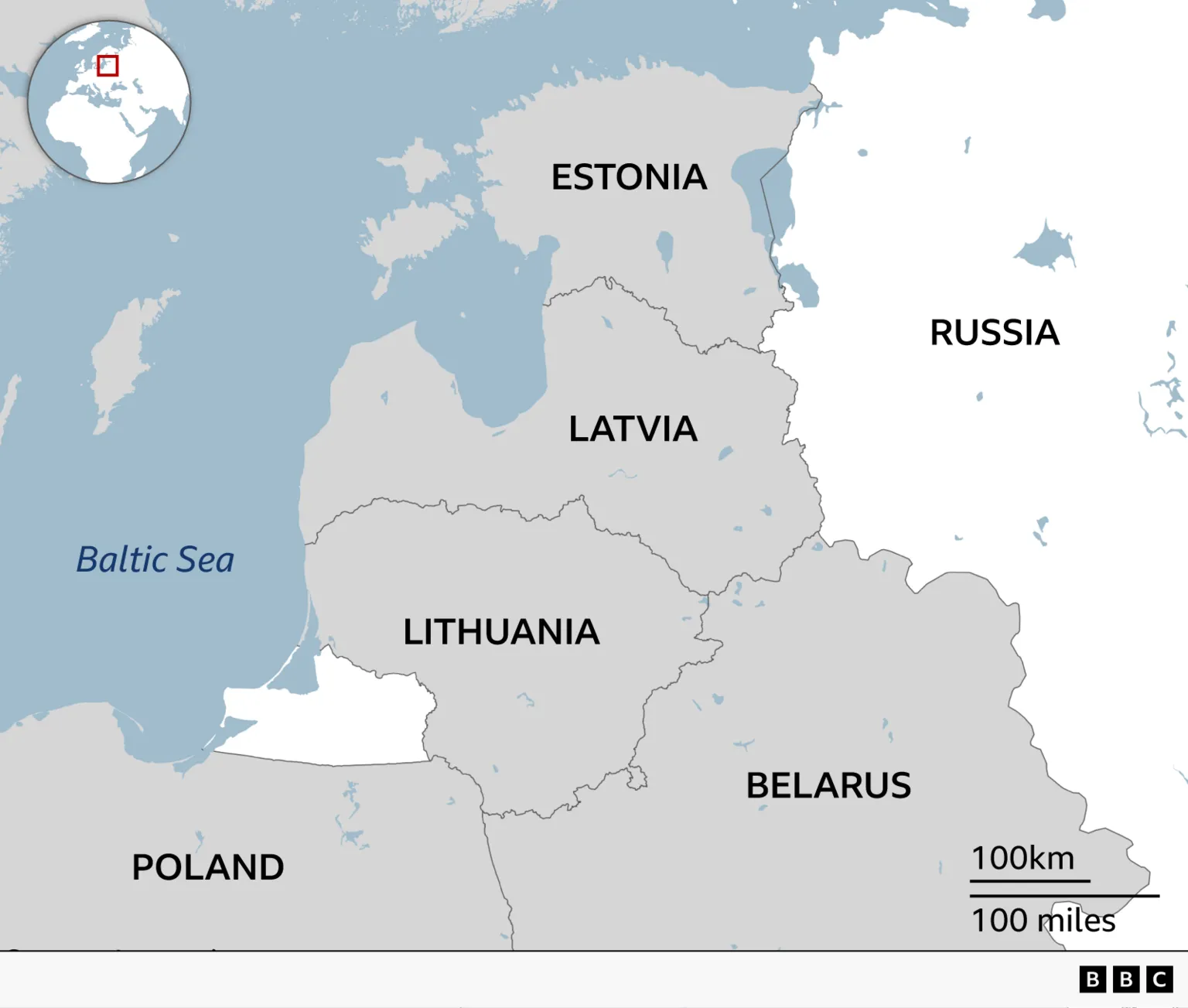
The shift on NATO’s eastern flank is already tangible. Close to 1,200 German troops are currently stationed in Lithuania; that number will rise to nearly 5,000 by the end of next year. Lieutenant Colonel Sebastian Hagen, commander of Panzerbrigade 45, is overseeing the brigade’s forward deployment as part of that build-up — a permanent, combat-ready presence rather than the rotational forces that previously characterised NATO’s posture in the region.
The acceleration of German rearmament is inseparable from the turbulence now coursing through the transatlantic relationship. When US Vice-President JD Vance addressed the Munich Security Conference weeks after Donald Trump‘s inauguration, the message to European allies was unmistakable: Washington’s patience with European defence dependency was exhausted. US Defence Secretary Pete Hegseth has reinforced that posture. The US Department of Defence is projected to spend $961.6 billion in 2025, but American officials have made clear they expect European nations to shoulder far more of their own security burden.
The political consequences within Germany have been dramatic. A 2024 Pew Center poll found that 74% of Germans expressed confidence in US-German relations. By 2025, only 27% described those relations as good, with 73% characterising them as bad — a collapse in transatlantic sentiment that has accelerated political will for independent European defence capacity.
Chancellor Friedrich Merz has embraced the moment. His government’s willingness to rewrite the constitutional debt brake for defence purposes — once considered politically untouchable — reflects how profoundly the strategic calculus has shifted in Berlin.
Germany’s neighbours have long urged precisely this kind of leadership. In 2011, Polish Foreign Minister Radosław Sikorski made the striking argument that he feared German power less than German inaction, calling on Berlin to assume a leading role in Europe. Retired Polish General Andrzej Falkowski, former Deputy Chief of the Polish armed forces, represents a broader Eastern European perspective that has watched Germany’s rearmament with a mixture of relief and impatience.
Sophia Besch, a senior researcher at the Carnegie Institute for Peace in Washington DC, has noted that Germany’s transformation carries implications well beyond its own borders — reshaping the balance of military weight within the European Union and within NATO itself.
For much of the post-Cold War period, Germany spent around 1.2% of its GDP on defence, a figure that persisted from 2007 to 2017 and drew persistent criticism from allies. That era is now firmly closed. Whether the ramp-up proves fast enough — given Breuer’s 2029 warning — remains the defining question for European security in the years ahead.