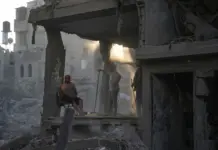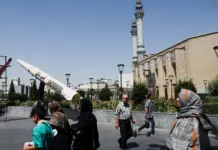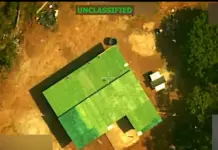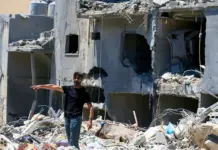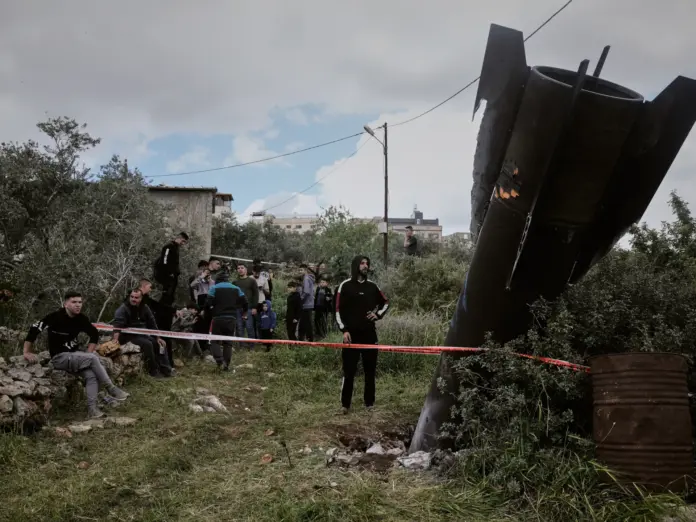
A US-Israeli strike on southern Tehran killed at least 12 people and wounded 28 on Tuesday, as explosions tore through residential buildings and a school east of the Iranian capital. The Israeli military simultaneously announced a new wave of attacks on Iranian government infrastructure in Tehran, deepening a conflict that has now spread flames across the broader Middle East.
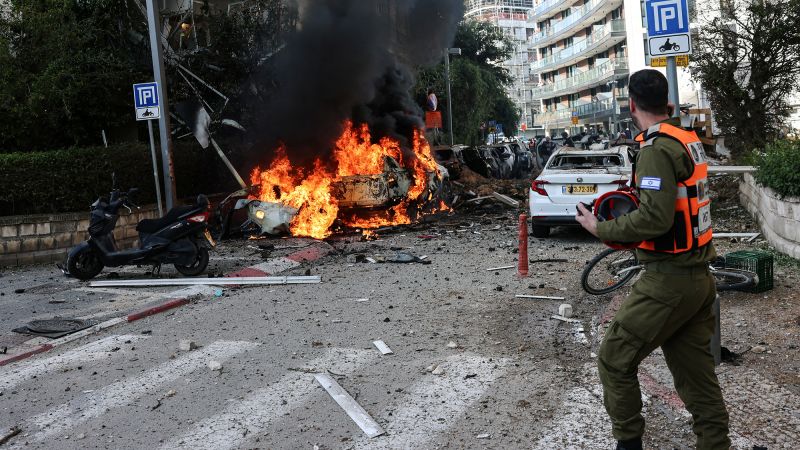
The regional death toll climbed to at least 33 within a single day. Iran and Hezbollah responded with a fresh barrage of missiles targeting Tel Aviv and northern Israel, killing one person and wounding at least a dozen in central Israeli cities near Tel Aviv. Air raid sirens sounded across Kiryat Shmona and surrounding communities in northern Israel after a projectile was launched from Lebanon, damaging a house under construction but causing no casualties. A missile fired from Iran toward central Israel was intercepted before reaching its target.
The conflict’s reach extended well beyond the immediate battlefield. In Kuwait, a drone strike ignited a fire in a fuel tank at Kuwait International Airport — the third such attack on the facility since fighting began on February 28 — forcing authorities to suspend operations and divert flights to Saudi Arabia’s Dammam airport. Thirteen drones and six missiles were intercepted over Kuwait in a single night, the highest number of alarm warnings the country has recorded since hostilities commenced. The Kuwaiti National Guard shot down five drones within its areas of responsibility.
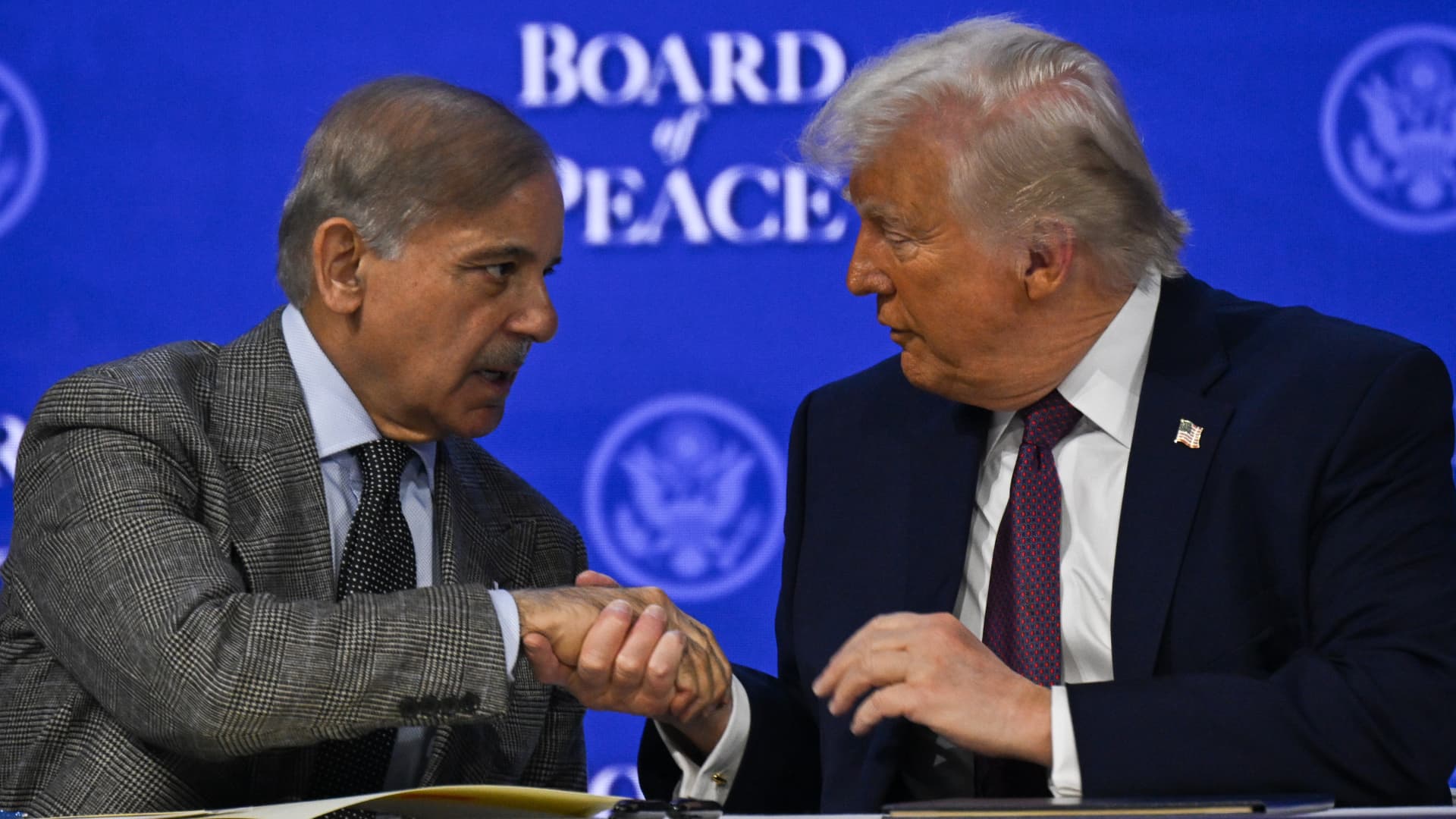
Saudi Arabia’s air defence systems intercepted and destroyed a ballistic missile over the Eastern Province and shot down at least six drones within one hour. In Jordan, shrapnel fell in a sparsely populated area south of Amman with no injuries reported, though Jordanian authorities noted that hundreds of missile fragment falls have been recorded across the country since the war began. The United Arab Emirates confirmed that a Moroccan civilian working with its armed forces in Bahrain was killed in an Iranian attack, with several soldiers also wounded.
In Iraq, the conflict took on a sharper dimension. The death toll from a suspected US strike on a paramilitary base in Anbar province rose to 15. A separate US strike targeted an Iran-backed paramilitary group in the northern city of Mosul. Iraq’s National Security Council, convened in an emergency session by Prime Minister Mohammed Shia al-Sudani, authorised Iran-backed militias to respond to US air strikes. The Islamic Resistance in Iraq claimed 23 operations targeting what it described as enemy bases over the preceding 24 hours, employing dozens of drones and missiles. The US consulate in Erbil, in the Kurdish autonomous region, was also attacked; a US C-RAM air defence system was activated and one drone landed in a residential compound near the facility.
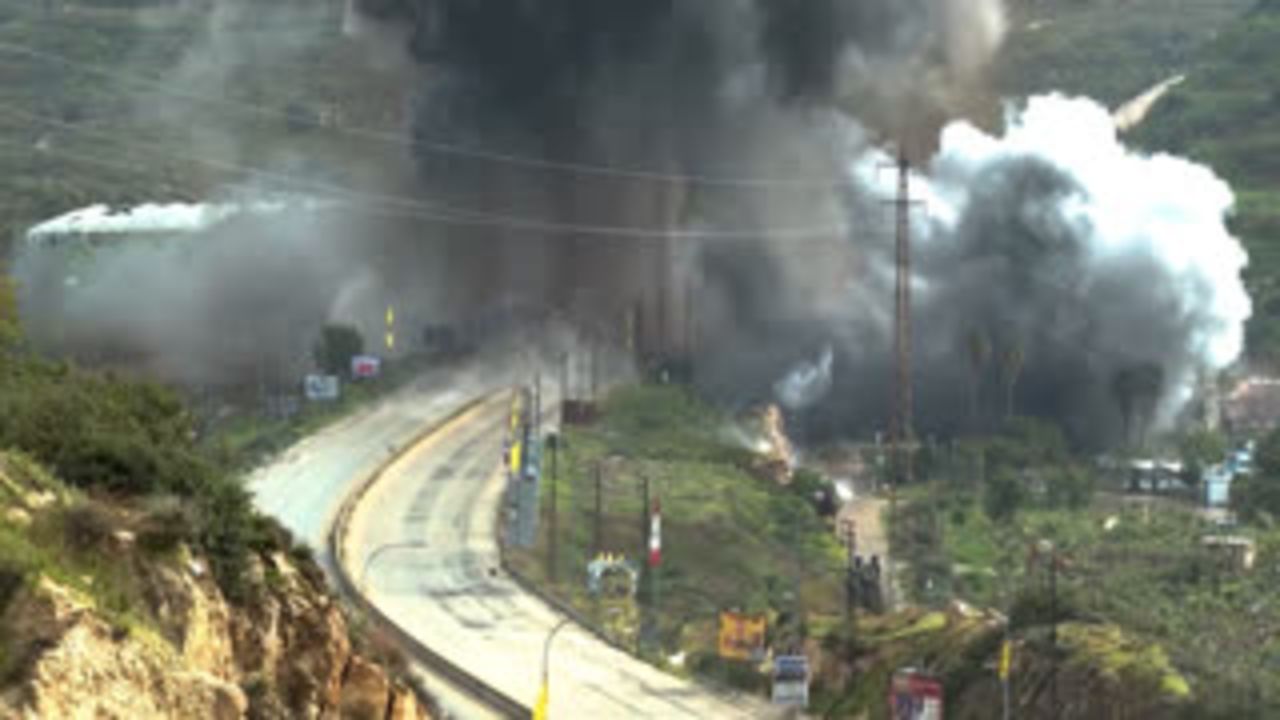
Israeli forces continued pushing deeper into southern Lebanon, following the military’s announcement of plans to occupy the region. The dual-front pressure — from Lebanon in the north and Iran directly — underscored the breadth of the challenge facing Israeli commanders.
Against this backdrop of escalating violence, a parallel diplomatic track appeared to be taking shape. President Donald Trump confirmed that the United States is engaged in negotiations with Iran, with Vice President JD Vance and Secretary of State Marco Rubio leading the effort. Trump expressed optimism that a deal was in sight and stated that the US had destroyed most of Iran’s military capacity. He confirmed contact with an Iranian interlocutor without identifying the individual.
Washington has circulated a 15-point framework to Tehran addressing nuclear sites, ballistic missiles, proxy support networks, and freedom of navigation through the Strait of Hormuz. The plan calls on Iran to dismantle its three principal nuclear facilities and end uranium enrichment on Iranian soil. A month-long ceasefire is reportedly being sought to allow discussion of the proposal. Pakistan’s Field Marshal Syed Asim Munir has emerged as a key intermediary facilitating communication between Washington and Tehran.
Iran’s government flatly rejected Trump’s characterisation of ongoing talks as "fake news," though an Iranian source indicated that Tehran is willing to consider "sustainable" proposals to end the war. The contradiction between official denials and back-channel engagement reflects the volatile and opaque nature of the diplomacy unfolding alongside the fighting.
The nuclear dimension remains deeply contested. Ayatollah Ali Khamenei repeatedly stated before his death that Iran was not pursuing a nuclear weapon, a position echoed by the International Atomic Energy Agency, which has found no evidence of a weapons programme. Iran had agreed to forgo nuclear weapons under the 2015 Joint Comprehensive Plan of Action, but Trump withdrew the United States from that agreement in 2018. By contrast, Israel — which is not a signatory to the Nuclear Non-Proliferation Treaty — is assessed by the Stockholm International Peace Research Institute to possess approximately 90 nuclear warheads.
The economic consequences of the conflict were also becoming apparent. QatarEnergy declared force majeure on liquefied natural gas contracts with customers in Italy, Belgium, South Korea, and China, signalling that energy markets face sustained disruption as hostilities show no sign of abating.