Iraq’s government summoned the top American and Iranian diplomats in Baghdad on Tuesday, delivering formal protest notes over a wave of deadly strikes that killed at least 21 people across the country and drew the nation deeper into a widening regional conflict now in its fourth week.
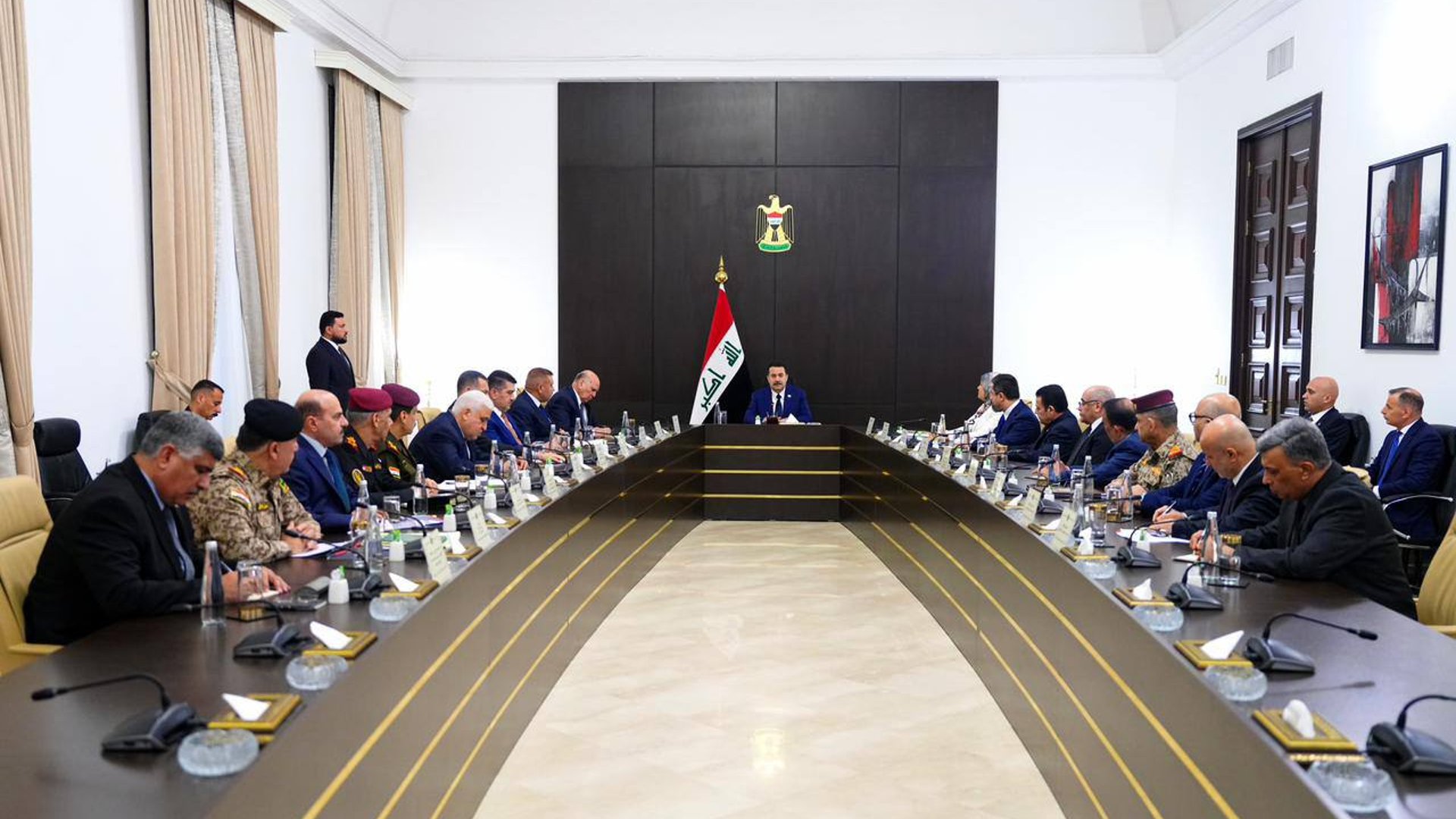
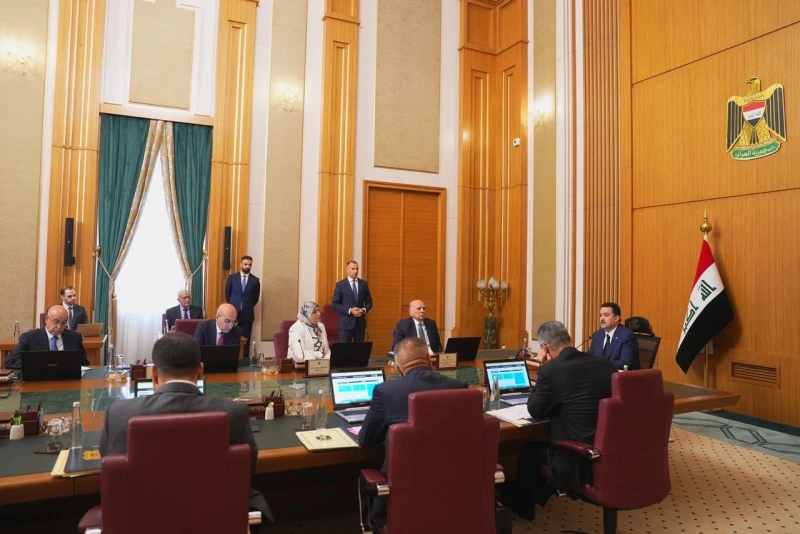
Prime Minister Mohammed Shia al-Sudani chaired an emergency session of the Ministerial Council for National Security, convened to assess the rapidly deteriorating security environment and its consequences for Iraqi sovereignty. The meeting produced a series of sweeping decisions: the summoning of the US Chargé d’Affaires and the Iranian Ambassador to Baghdad, the filing of a formal complaint with the United Nations Security Council, and a declaration that Iraq would ‘confront and repel’ any further military attacks on its armed forces using all available means consistent with the right to self-defence under international law.
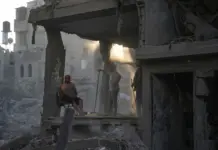
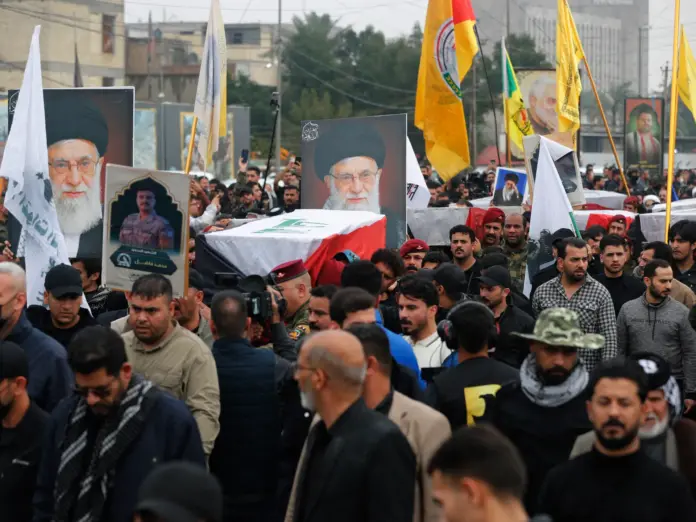
The trigger for Tuesday’s emergency session was a pair of devastating strikes that struck Iraqi forces from two directions simultaneously. An airstrike on the Popular Mobilisation Forces (PMF) command headquarters in Anbar province killed at least 15 people, among them the regional operations commander, Saad Daway al-Baiji. Separate airstrikes also hit PMF positions in Babil, Mosul, and Salah Al-Din. The PMF — formally known as al-Hashd al-Shaabi and an official branch of the Iraqi army incorporating Iran-aligned armed groups — has not received any formal comment from Tehran regarding the strikes on its headquarters.
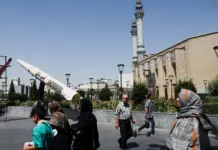
Hours earlier, six Iranian ballistic missiles struck near Soran in Erbil governorate, killing six Peshmerga fighters, wounding approximately 30 others, and leaving two more missing. The Kurdistan Regional Guard headquarters in Erbil was among the sites targeted. Kurdish leaders responded with fury. Kurdistan Region President Nechirvan Barzani described the Soran strike as ‘a direct hostile aggression against the sovereignty of the country,’ while Prime Minister Masrour Barzani vowed the Kurdistan Regional Government ‘will take all measures to counter this hostility.’ Kurdish leader Masoud Barzani condemned the attack as unjustifiable. The Ministry of Peshmerga Affairs underscored that Kurdish forces represent a fundamental pillar of Iraq’s national defence architecture — a pointed reminder that the strike had hit not a peripheral militia but a core component of the state’s military structure.
Iraq’s presidency condemned both attacks, and the National Security Council made clear that Baghdad — not any external power — holds exclusive constitutional authority over decisions of war and peace. The council pledged to pursue those responsible for strikes on diplomatic missions and security institutions, a reference to a sustained campaign of drone and rocket attacks that has battered government facilities, diplomatic compounds, and military sites since February 28, when the US-Israeli assault on Iran began.
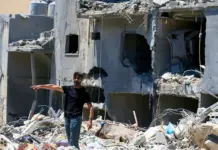
The scale of that campaign has been staggering. The US Embassy compound in Baghdad has been struck multiple times. A drone hit the Al-Rasheed Hotel, which houses the Saudi embassy and the EU Advisory Mission. The UAE Consulate General in Erbil was targeted twice within a single week. Multiple countries across the Middle East have faced attacks linked to the broader conflict, and Iraq — caught between its treaty obligations, its Iran-aligned political factions, and its Kurdish regional authorities — has found itself absorbing blows from all sides.
The situation is further complicated by the withdrawal of NATO, which completed the evacuation of all its personnel from Iraq on March 20, the same day the emergency security council convened. Kurdish authorities had previously stated they had no desire to be drawn into the military escalation — a position rendered moot by Tuesday’s missile barrage.
The dual summoning of American and Iranian envoys is a rare and symbolically charged act, reflecting Baghdad’s acute frustration at being treated as a battleground by external powers. Iraq’s decision to bring the matter before the UN Security Council signals an attempt to internationalise its grievances and seek legal cover for any future defensive response. Whether that response will carry practical weight — given the scale and pace of the conflict now consuming the region — remains deeply uncertain as the war enters its fifth week with no indication of abating.