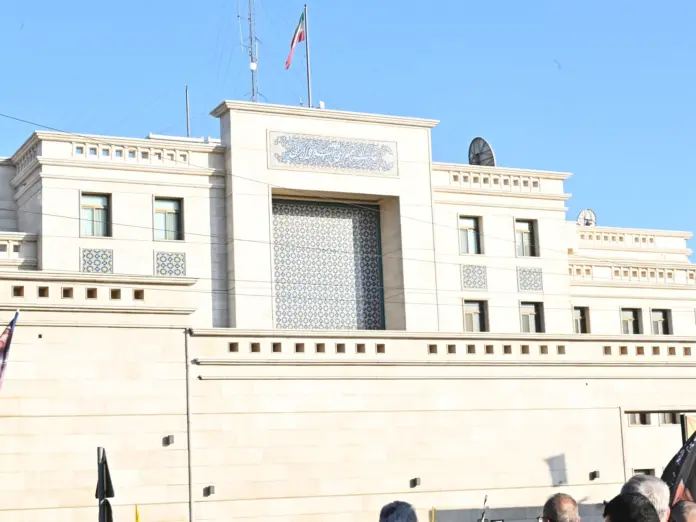
Lebanon’s Ministry of Foreign Affairs declared Iranian Ambassador Mohammad Reza Shibani persona non grata on Tuesday, ordering him to leave the country by March 29 in a dramatic diplomatic rupture that reflects the deepening fractures reshaping the Middle East. The Lebanese foreign ministry announced the decision on X, formerly Twitter, while stressing that the move does not constitute a full severing of diplomatic ties with Tehran.
The expulsion follows a series of actions by Shibani that Beirut characterised as flagrant violations of established diplomatic norms. Lebanese authorities accused the ambassador of making public statements that interfered in the country’s internal politics, of assessing decisions taken by the Lebanese government, and of conducting meetings with unofficial Lebanese parties without routing those contacts through the Ministry of Foreign Affairs. Lebanon’s Foreign Ministry cited ‘violations by Tehran of established diplomatic norms and protocols’ as the formal basis for withdrawing his accreditation. Lebanese Ambassador to Iran Ahmad Sweidan was simultaneously recalled to Beirut for consultations.
The diplomatic fallout unfolds against a backdrop of intense military violence. Israel launched both air strikes and a ground offensive in southern Lebanon on March 2, the same day Hezbollah conducted a cross-border attack on Israeli territory. That Hezbollah offensive was itself a response to a joint US-Israeli operation that killed Iran’s Supreme Leader Ayatollah Ali Khamenei. The broader US-Israeli campaign against Iran has killed more than 1,340 people since February 28, triggering Iranian retaliatory drone and missile strikes against Israel, Jordan, Iraq, and Gulf states — strikes Tehran described as targeting US military assets.
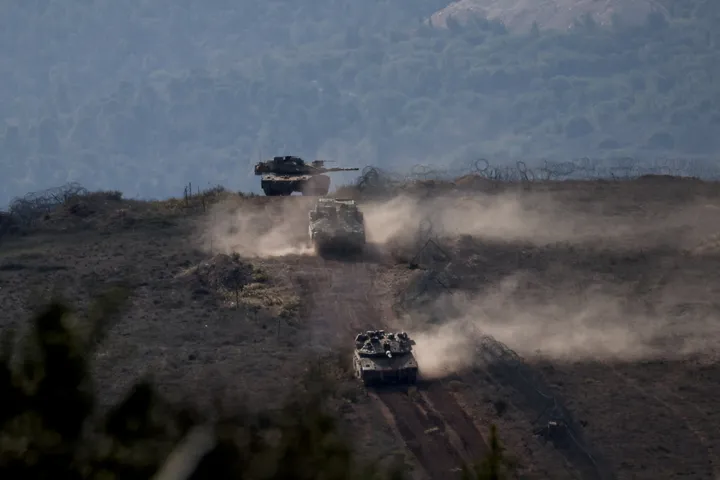
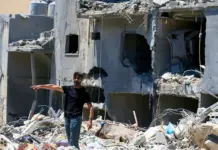
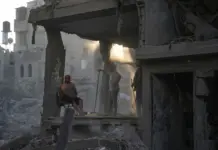
The human toll inside Lebanon has been severe. Lebanese authorities have recorded at least 1,039 people killed and 2,876 injured in Israeli attacks. More than 1.5 million Lebanese civilians have been displaced by the fighting and evacuation orders. Overnight strikes on Beirut killed at least three people in what Lebanese Health Ministry officials described as targeted assassinations. The Israeli military stated it had targeted members of the Quds Force, the overseas operations arm of Iran’s Islamic Revolutionary Guard Corps. Iran acknowledged that four of its nationals died in a strike on a hotel in the early days of the conflict, insisting all four were civilians.
The Lebanese government has moved aggressively to assert sovereignty over its own territory and political space. On March 5, authorities ordered security forces to pursue and arrest any IRGC members operating inside the country. President Joseph Aoun delivered a pointed message to Tehran, declaring that no group in Lebanon is permitted to bear arms or rely on foreign backing — a direct challenge to Hezbollah’s long-standing relationship with Iran.
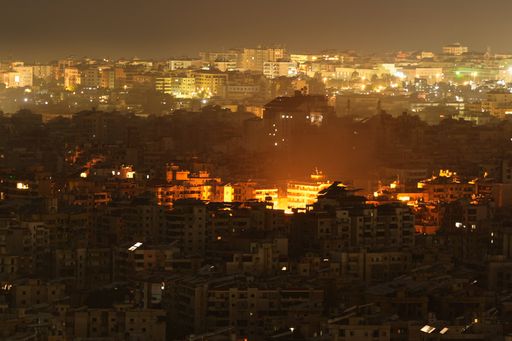
That relationship sits at the heart of Lebanon’s current crisis. Hezbollah, founded in 1982 following an earlier Israeli invasion, is a central pillar of the so-called axis of resistance backed by Tehran, which also includes the Houthi movement in Yemen and armed factions in Iraq. The group began cross-border attacks on Israel in October 2023 in solidarity with Gaza, drawing Israeli retaliation that escalated into a full invasion of southern Lebanon. A ceasefire reached in November 2024 required Hezbollah to disarm and Israeli forces to withdraw from Lebanese territory. Neither condition has been met: Israeli forces continue to occupy Lebanese land, and Hezbollah has refused to lay down its weapons, insisting Israeli withdrawal must come first.
Lebanon itself has not been a passive actor. The country has fired dozens of rockets against Israel, and on March 2 the Lebanese government formally banned Hezbollah’s military activities — a decision that drew the Iranian ambassador’s public commentary and contributed directly to the diplomatic crisis now culminating in his expulsion.
More than one million people displaced during the 2023-24 phase of the war remain unable to return to their homes in southern Lebanon, where the combination of Israeli occupation and ongoing military operations has rendered large areas inaccessible. The expulsion of the Iranian ambassador signals that Beirut, under intense pressure, is attempting to carve out an independent political posture — distancing itself from Tehran’s influence even as the consequences of a regional war it did not fully choose continue to devastate its population.