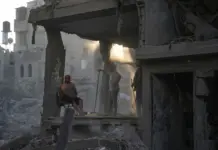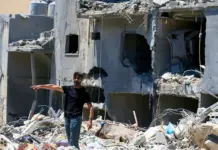
Israeli strikes on Beirut’s southern suburbs and surrounding areas have killed at least five people overnight, wounded dozens more, and deepened a regional conflict that has now claimed more than 1,000 Lebanese lives and displaced roughly one in five people across the country.
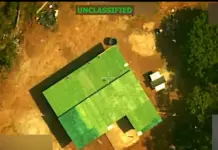
A strike on a residential apartment building in Bchamoun, approximately 10 kilometres southeast of Beirut, killed at least two people and wounded five others, according to the Lebanese Ministry of Public Health. Separately, at least three more people died in targeted assassinations carried out overnight in the capital. The Israeli military stated it had targeted members of the Quds Force, the foreign operations unit of Iran’s Islamic Revolutionary Guard Corps.
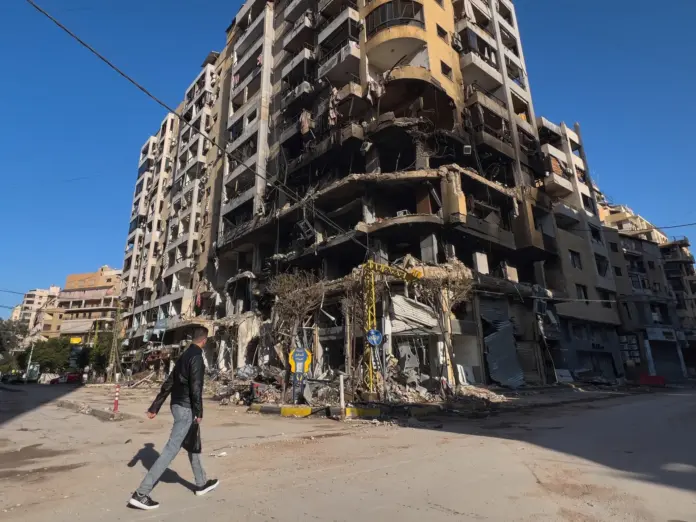
Lebanon’s National News Agency reported that Israeli aircraft struck seven distinct areas within Beirut’s southern suburbs in a single overnight campaign — Bir al-Abed, Al-Ruwais, Haret Hreik, Sayyed Hadi Nasrallah Highway, Saint Therese, Burj al-Barajneh and Al-Kafaat. One blast levelled a building in central Beirut surrounded by commercial properties and hotels. Israeli forces also struck a petrol station belonging to the Amana company in Rashidieh, near the port city of Tyre. Israel has repeatedly targeted Amana facilities since March 2, accusing the company of forming part of Hezbollah’s economic infrastructure.
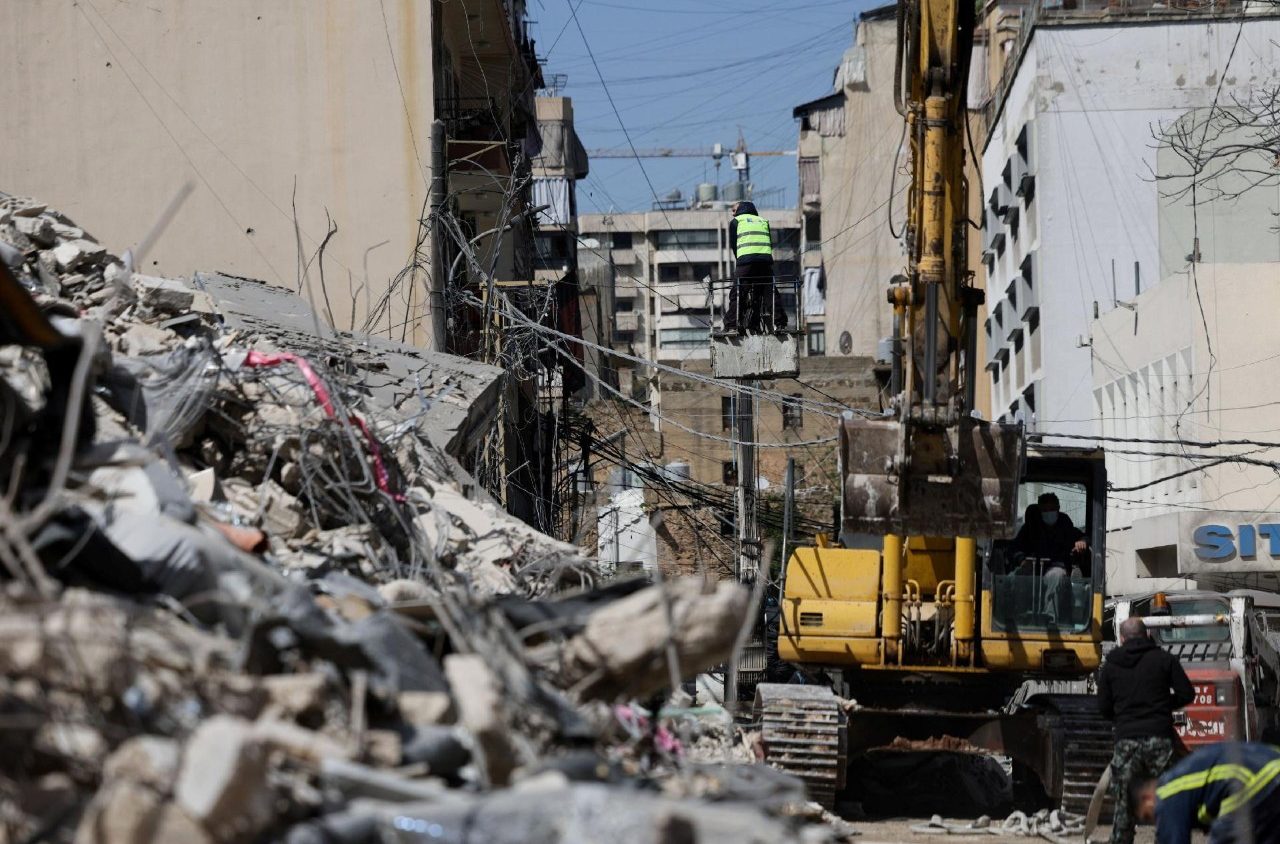
The cumulative toll of Israeli attacks on Lebanon now stands at at least 1,039 killed and 2,876 injured, according to Lebanese health authorities. The United Nations reports that more than 1.2 million people have fled their homes — a displacement crisis that UN Secretary-General Antonio Guterres’ spokesman described as affecting approximately one in five people across the entire country.
The conflict entered a new phase on March 2, when Hezbollah launched a cross-border attack into Israel in response to the killing of Iranian Supreme Leader Ayatollah Ali Khamenei. Israel subsequently launched what it described as ‘limited and targeted ground operations’ in southern Lebanon, followed by a broader ground offensive. Hezbollah had observed a ceasefire since November 2024, despite what Lebanese officials characterised as near-daily Israeli violations of that agreement.
Hezbollah struck back early Tuesday, claiming five separate attacks against Israeli military positions. The group said it launched drone strikes at dawn on the Liman military barracks in northern Israel and fired rockets at Israeli troop gatherings near Fatima Gate in the southern Lebanese town of Kfar Kila. Israel, meanwhile, issued an evacuation warning for Burj Shemali in southern Lebanon.
The conflict has produced dramatic high-level casualties on the Iranian side. Israel announced the killing of Iranian intelligence minister Esmail Khatib in an overnight strike, one day after senior security official Ali Larijani was killed in a separate Israeli attack. Iran acknowledged that four Iranians were killed earlier in the conflict during a strike on a hotel, describing the victims as civilians. Two people were killed in Tel Aviv during retaliatory strikes.
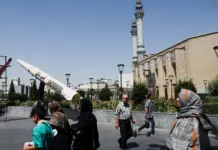
The war’s reach has extended far beyond Lebanon’s borders. Explosions and drone interceptions were reported across Dubai, Qatar, Kuwait, Iraq, Bahrain and Saudi Arabia as Iran and allied militia groups continued retaliatory operations. The United States military deployed bunker-busting deep-penetrator bombs against Iranian missile sites along the Strait of Hormuz, which Iran has effectively blockaded since the conflict began. The strait carries a critical share of global oil shipments, and its closure has sent shockwaves through international energy and shipping markets.
The International Maritime Organization is preparing for an emergency two-day session in London to address the crisis. Delegates are expected to consider draft resolutions including a proposal to establish a safe maritime corridor to extract thousands of stranded seafarers and vessels from the Persian Gulf region.
On the political front, Israeli Finance Minister Bezalel Smotrich articulated an expansive war aim, stating that the campaign against Hezbollah must conclude with Israeli control of Lebanese territory up to the Litani River, roughly 30 kilometres north of the Israeli border. Smotrich drew a direct comparison between the proposed Litani boundary and the territorial arrangements Israel has imposed in Gaza and the occupied Golan Heights — remarks that drew immediate international concern over the conflict’s long-term trajectory.
With displacement accelerating, civilian infrastructure under sustained attack, and the conflict now entangling multiple regional powers, international pressure for a negotiated halt is intensifying — though no formal ceasefire talks are currently underway.