Global financial markets lurched between alarm and relief on Monday as Donald Trump announced a five-day postponement of planned US strikes on Iranian power plants and energy infrastructure, claiming that talks toward a ‘COMPLETE AND TOTAL’ resolution of the Middle East conflict were underway. Tehran immediately and flatly denied that any such negotiations had taken place.
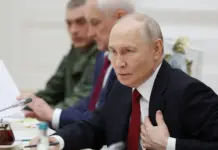
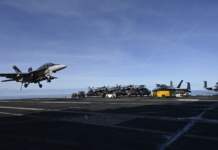
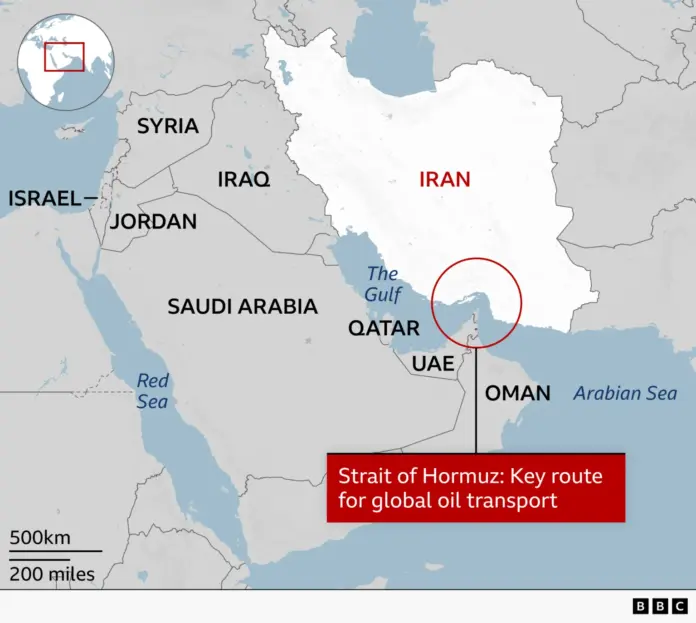
Trump framed the delay as a product of what he described as ‘constructive’ discussions, suggesting that diplomacy could yet wind down a war that has rattled energy markets and alarmed Western governments since it began on 28 February. The announcement marked a sharp reversal from his earlier posture: Trump had threatened to ‘obliterate’ Iranian power plants if the Strait of Hormuz was not reopened within 48 hours. Iran responded to that ultimatum by warning it would strike key regional infrastructure in retaliation.
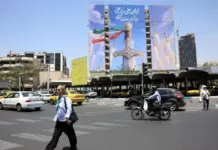
Mohammad-Bagher Ghalibaf, speaker of Iran’s parliament, was unequivocal in rejecting Trump’s framing. No negotiations with the United States have been held, he stated. Iran’s foreign ministry echoed that denial, leaving the two governments publicly describing an entirely different reality.
The whiplash was felt most acutely in commodity markets. Brent crude oil had surged to $113 a barrel at one point on Monday — a reflection of deep anxiety over the continued closure of the Strait of Hormuz, through which roughly 20% of the world’s oil and liquefied natural gas normally flows. Following Trump’s statement, the price fell sharply to a low of $96 a barrel, a dramatic single-session swing that illustrated just how tightly the conflict has gripped global energy supply chains.
Equity markets told a similarly volatile story. In Europe, London’s FTSE 100 had been down more than 2% earlier in the session before clawing back losses to close the day flat. Germany’s Dax ended 1.2% higher, while France’s Cac gained roughly 0.9%. Across the Atlantic, the S&P 500 rose more than 1.1% and the Dow Jones closed nearly 1.4% higher. Asian markets, which had traded before Trump’s comments, bore the brunt of the earlier panic: Japan’s Nikkei dropped 3.5% and South Korea’s Kospi fell a punishing 6.5%.
The energy dimension of the crisis drew a stark warning from Fatih Birol, executive director of the International Energy Agency, who cautioned that the conflict risks producing the worst energy crisis the world has seen in decades — comparable in severity to the oil shocks of the 1970s and the disruption that followed Russia’s 2022 invasion of Ukraine.
In the United Kingdom, the crisis has triggered emergency government action. Prime Minister Sir Keir Starmer spoke directly with Trump on Sunday, pressing for the reopening of the Strait of Hormuz, and chaired a meeting of the government’s emergency Cobra committee on Monday. Notably, Bank of England governor Andrew Bailey attended the session — a signal of how seriously London is treating the economic fallout. UK government borrowing costs had already hit their highest level since the 2008 financial crisis on Friday, with the yield on 10-year gilts rising to 5.12% at one point on Monday.
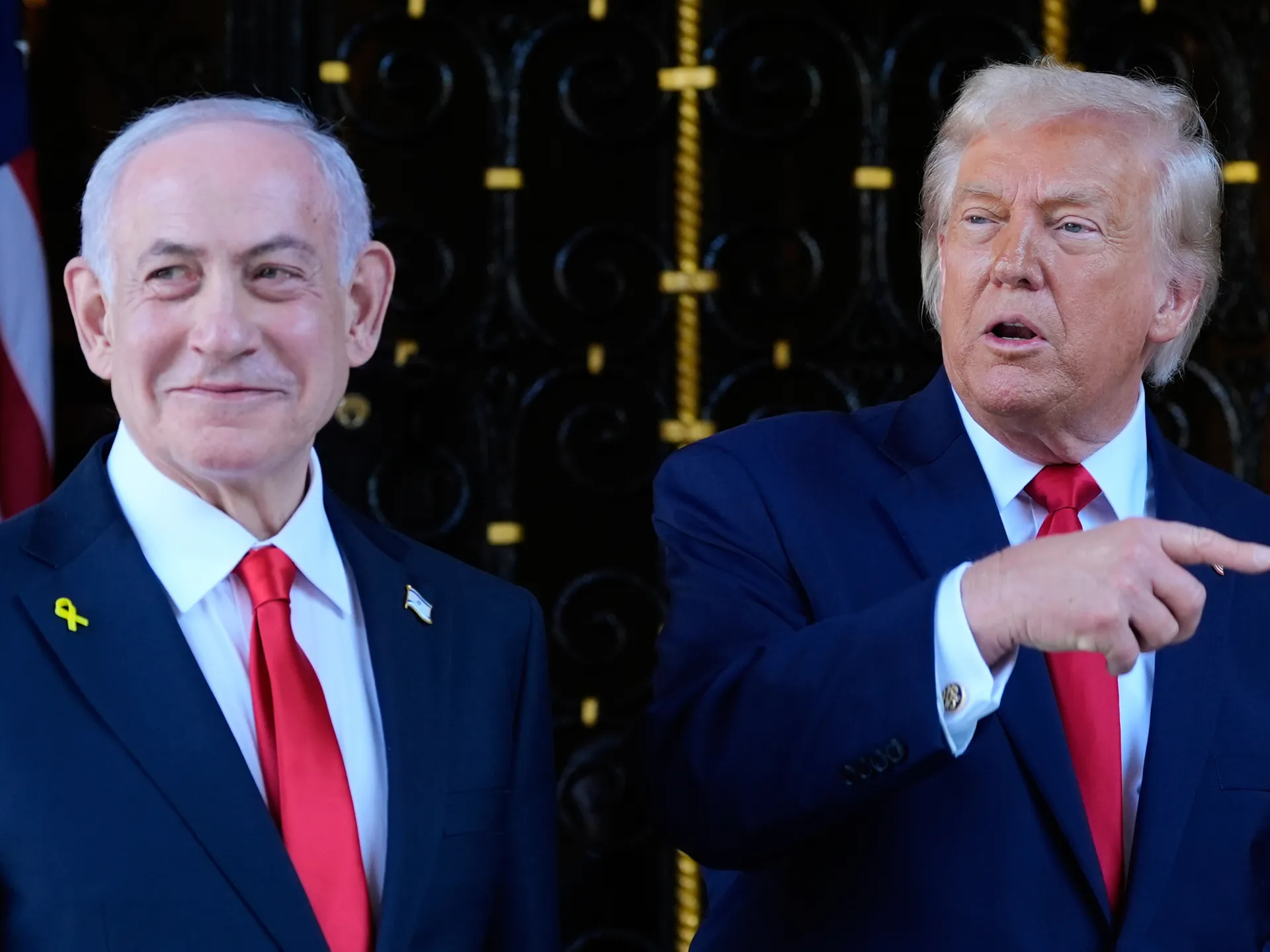
In Israel, Trump’s pivot from threatened strikes to diplomatic overtures has generated a mixture of confusion and disappointment. Prime Minister Benjamin Netanyahu released a video statement on Monday acknowledging the shift, framing it as Trump’s belief that military gains could be leveraged into a negotiated outcome. Netanyahu insisted that Israel continues to strike targets in both Iran and Lebanon, and claimed the country is methodically dismantling Iran’s missile and nuclear programmes while maintaining pressure on Hezbollah.
Yet the statement did little to mask the tensions beneath the surface. The war had been presented to the Israeli public at the outset as a campaign likely to topple the Iranian government — a goal Netanyahu has repeatedly championed, framing Iran as an existential threat to Israel and frequently boasting of having drawn the United States into the fight. Deadly Iranian strikes on Israeli territory in recent days have complicated that narrative considerably.
Former Israeli ambassador Alon Pinkas suggested Trump may now recognise that Netanyahu overstated how swift and decisive a victory would be. Political scientist Ori Goldberg noted that Israel did not appear to have been consulted before the US signalled its openness to negotiations — a striking omission given the alliance’s depth. Analyst Nimrod Flashenberg went further, arguing that Netanyahu was never genuinely committed to regime change and that his real objective was always the degradation of Iran’s military capabilities rather than its government’s removal. Flashenberg described Israel as a country that no longer does diplomacy, casting doubt on how any negotiated settlement could be structured to satisfy Jerusalem.
The five-day window Trump has created is narrow, and the contradictions at its centre are wide. Tehran denies talking. Israel was not consulted. Energy markets remain deeply unsettled. Whether the pause represents a genuine diplomatic opening or simply a recalibration before further escalation remains the defining question of a conflict that has already reshaped global markets and strained alliances on multiple continents.