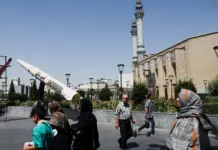
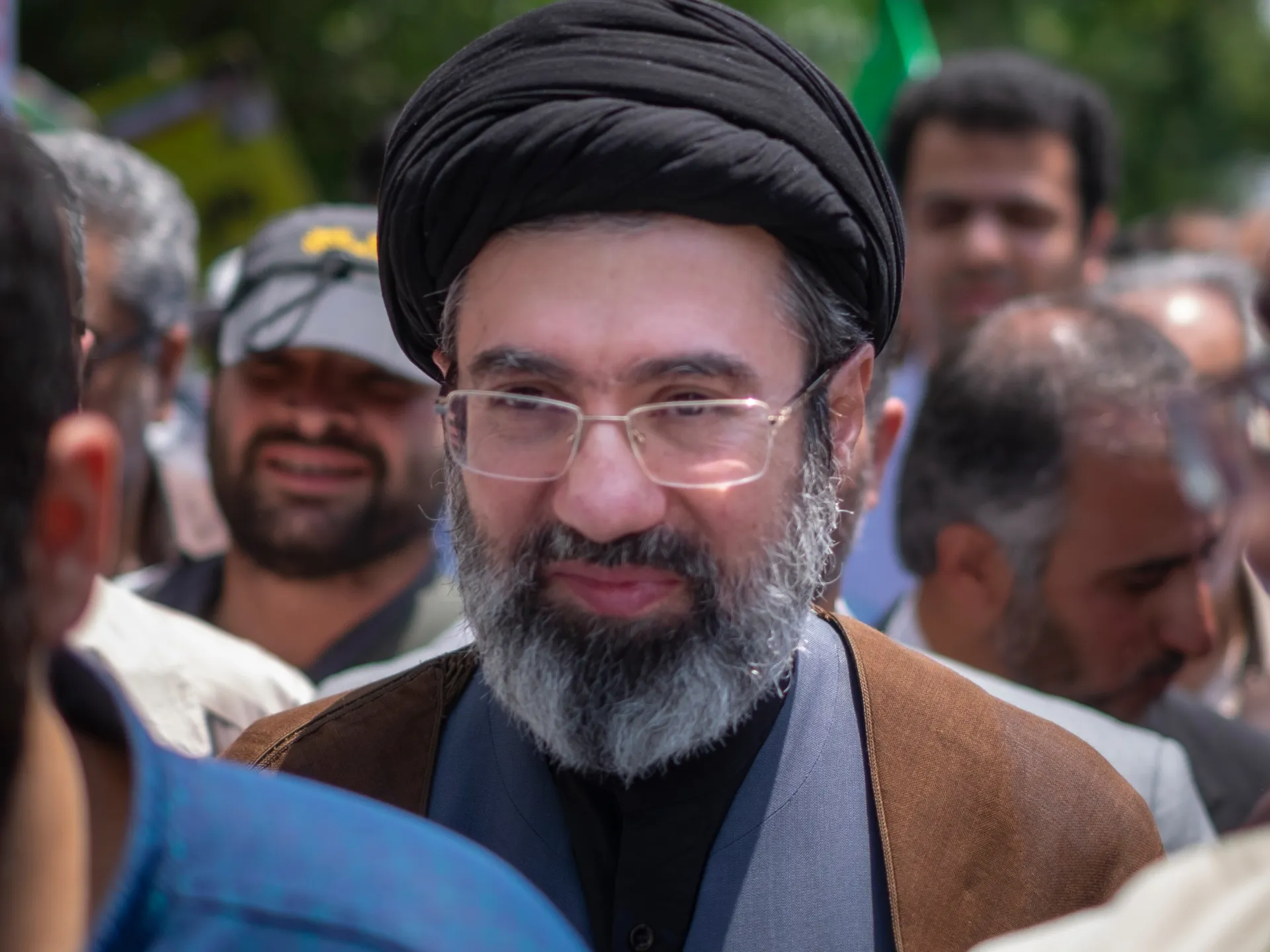
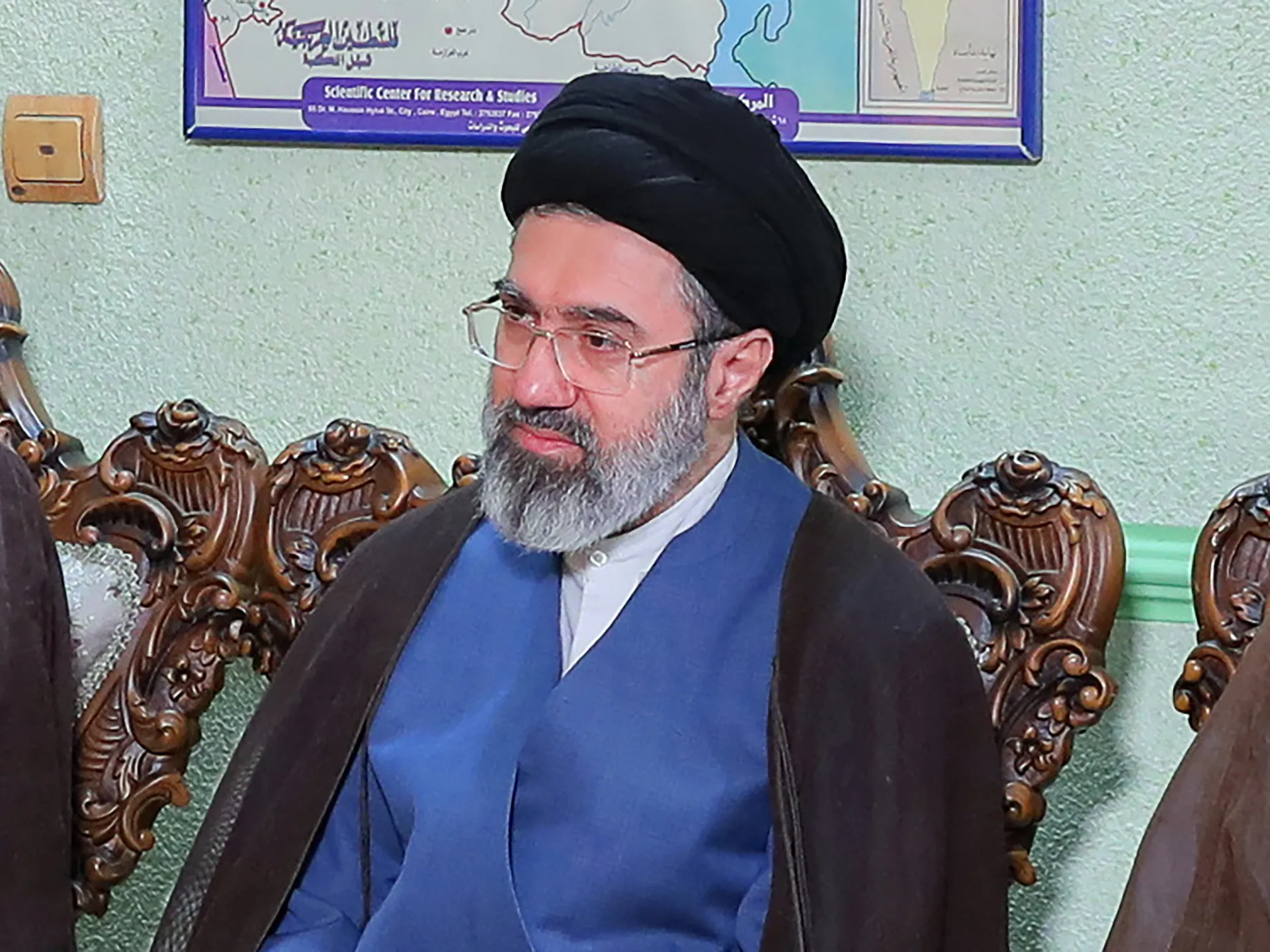
TEHRAN — Iran has a new supreme leader. The country’s Assembly of Experts selected Mojtaba Khamenei, son of the late Ayatollah Ali Khamenei, to lead the Islamic Republic following his father’s death in the opening hours of a war launched jointly by the United States and Israel on February 28. Iran’s military establishment, political leadership, and the Islamic Revolutionary Guard Corps have all pledged allegiance to the younger Khamenei, signalling a rapid consolidation of authority even as the country absorbs devastating strikes on its territory.
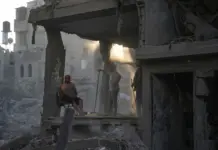
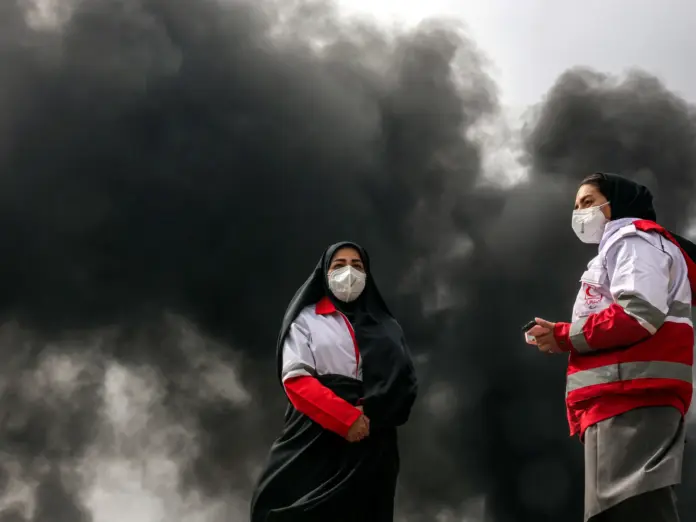
The death toll inside Iran has climbed to 1,332 people since hostilities began. Explosions have been reported in both Qom and Tehran, and Israeli strikes on Iranian oil infrastructure have sent toxic smoke billowing across the capital. Israel’s military claims to have struck multiple IRGC bases, including a command centre in Isfahan, a rocket engine production facility, and several long-range ballistic missile launch sites. The IRGC’s police headquarters was also listed among the targets.
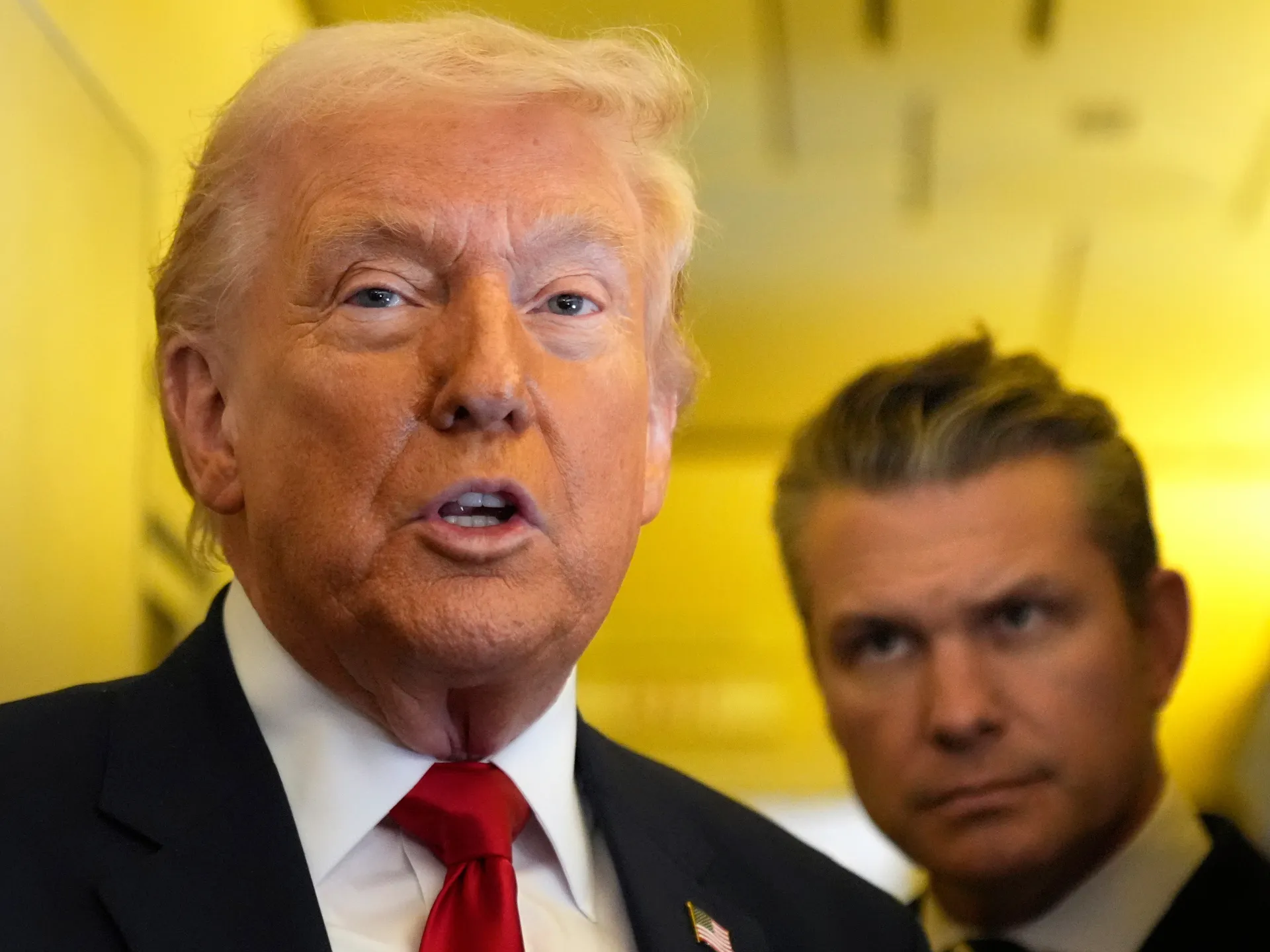
The selection of Mojtaba Khamenei drew an immediate and pointed response from Donald Trump, who hours before the appointment told ABC News that any new Iranian supreme leader would ‘not last long’ without American approval and that he did not want future administrations to be forced into military action against Iran within five years. Iranian Foreign Minister Abbas Araghchi rejected the remarks outright, stating that Iran would not permit any foreign power to interfere in its domestic affairs. Barbara Slavin, a fellow at the Stimson Center in Washington, D.C., described the selection as ‘a real finger in the eye to Donald Trump.’
The conflict has rapidly metastasised beyond Iran’s borders. In Bahrain, an Iranian drone attack on a facility in Maameer village sparked a fire, while a separate strike on the Bapco oil refinery sent thick smoke rising over the island nation. At least 32 citizens, including children, were injured in a drone attack on Sitra. Bapco Energies declared force majeure on group operations. In Saudi Arabia, two people were killed in Al Kharj during Iranian counterattacks, and the kingdom’s air defences intercepted a drone targeting the strategically critical Shaybah oilfield. An eighth American soldier has been confirmed killed in the conflict; a seventh had died on Saturday after being wounded in an attack on US forces in Saudi Arabia on March 1.
The United Arab Emirates activated its air defence systems against incoming Iranian missiles and drones. Debris from an intercepted drone ignited a fire in the Fujairah oil industry zone. In Qatar, the national threat level was elevated at approximately 03:15 local time, with residents reporting 12 to 13 interceptor missile detonations overhead.
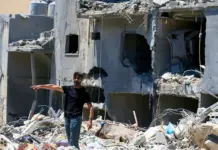
On the Lebanese front, Israeli air strikes hit Beirut’s southern suburbs — including the Ghobeiry, Haret Hreik, and Safir districts — with two large strikes occurring around 4am local time. Israeli helicopters conducted a midnight raid along the Lebanese-Syrian border, where Hezbollah engaged them with weapons. An earlier Israeli helicopter operation in Nabi Chit in the Bekaa Valley, roughly 70 kilometres from the Israeli border, resulted in 41 deaths and more than 40 injuries. Hezbollah separately claimed rocket strikes on Israeli soldiers and vehicles near Odaisseh village. More than half a million people have been forcibly displaced across Lebanon as the fighting intensifies. Human Rights Watch confirmed that Israel deployed white phosphorus munitions over residential areas in Yohmor, southern Lebanon, on March 3, causing fires in at least two homes.
Global energy markets have been thrown into turmoil. Brent crude surged to $119.50 per barrel before settling at $112.98, while West Texas Intermediate spiked to $119.48 before pulling back to $110.17 — representing a collective jump of more than 25 percent to levels not seen since mid-2022. The disruption reflects acute anxiety over the Strait of Hormuz, through which approximately 15 million barrels of crude oil — roughly 20 percent of global daily supply — normally flow. Iraq, Kuwait, and the UAE have all cut production in response to reduced export capacity.
Financial markets worldwide registered the shock. Tokyo’s Nikkei index fell seven percentage points, South Korea’s KOSPI dropped 8 percent, and trading at the Pakistan Stock Exchange was suspended for 45 minutes after the benchmark index shed 9,780 points — a decline of 6.21 percent — in its opening session. G7 finance ministers convened emergency discussions on a coordinated release of oil from strategic reserves, working through the International Energy Agency.
Iran has also sought to secure logistical footholds beyond the Gulf. Tehran requested permission from India for three of its vessels to dock at Indian ports; one Iranian ship arrived at the southern port of Kochi on March 4. The move underscores Tehran’s efforts to maintain maritime access and supply lines as the conflict reshapes the region’s strategic geography.