Iran’s ambassador to the United Kingdom delivered a stark warning to London on Thursday, cautioning that Britain risks becoming a legitimate military target if it moves beyond its current role of hosting American forces and joins direct strikes against Iranian territory.
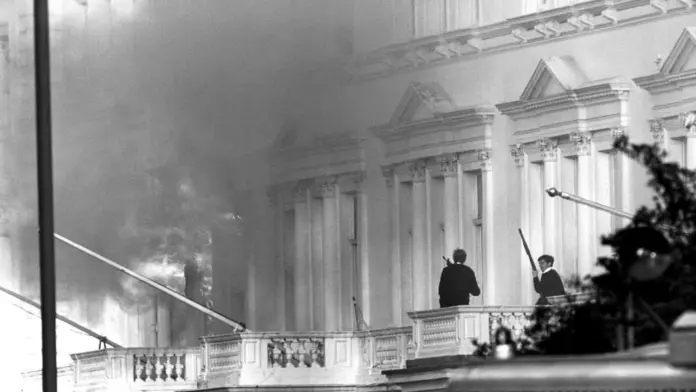
Seyed Ali Mousavi, speaking from the Iranian embassy on the edge of Hyde Park — the same building where SAS commandos stormed a hostage siege 45 years ago — told interviewers that Tehran would exercise its ‘right to self-defence’ should British forces participate in attacks on Iran. ‘The UK must be very careful,’ Mousavi said, adding that any military facility or base used against Iran would become a ‘legitimate target.’
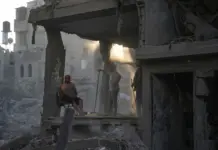
The warning lands at a particularly fraught moment. The conflict, now entering its second week, began with coordinated US and Israeli air strikes targeting Iranian missile sites and nuclear facilities. Those strikes also killed Supreme Leader Ayatollah Ali Khamenei, a seismic development that has reshaped the conflict’s trajectory and left Iran’s political establishment in turmoil.
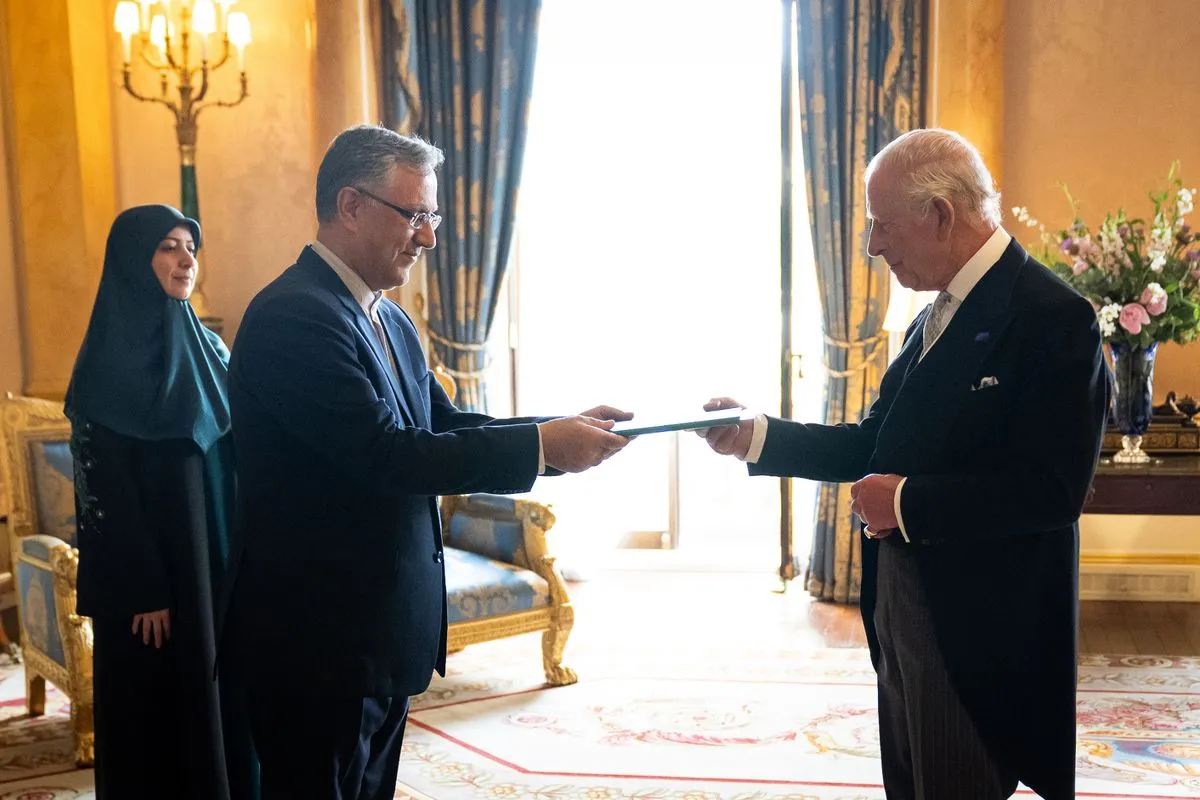
Britain’s position remains deliberately ambiguous. Prime Minister Keir Starmer has stated publicly that the UK will not participate in direct strikes against Iran. Yet London has authorised Washington to use British military installations for what officials have described as ‘defensive strikes’ on Iranian facilities. On Friday night, the US military’s heaviest strategic bombers landed at RAF Fairford in Gloucestershire, a move that drew immediate attention in Tehran. President Donald Trump described the planned operation as ‘the big one’ — a massive aerial campaign intended, in his words, to pound Iran into ‘unconditional surrender.’
Mousavi dismissed Trump’s demand outright. He denied that Iran bore responsibility for initiating the conflict and insisted that Tehran’s future military actions would be calibrated directly to American and Israeli behaviour. ‘Iran’s response depends entirely on the activities of the Americans and the Israeli regime,’ he said.
Iranian strikes have already reached well beyond Iranian borders. Kuwait, the United Arab Emirates, Saudi Arabia, Bahrain, Oman, and Iraq have all absorbed Iranian missile fire. An RAF base in Cyprus was also struck, marking the first direct hit on a British military installation. On Saturday afternoon, both Qatar and the UAE confirmed they had intercepted incoming Iranian missiles — the latest in a series of attacks that have rattled Gulf capitals and strained Iran’s relationships with its Arab neighbours.
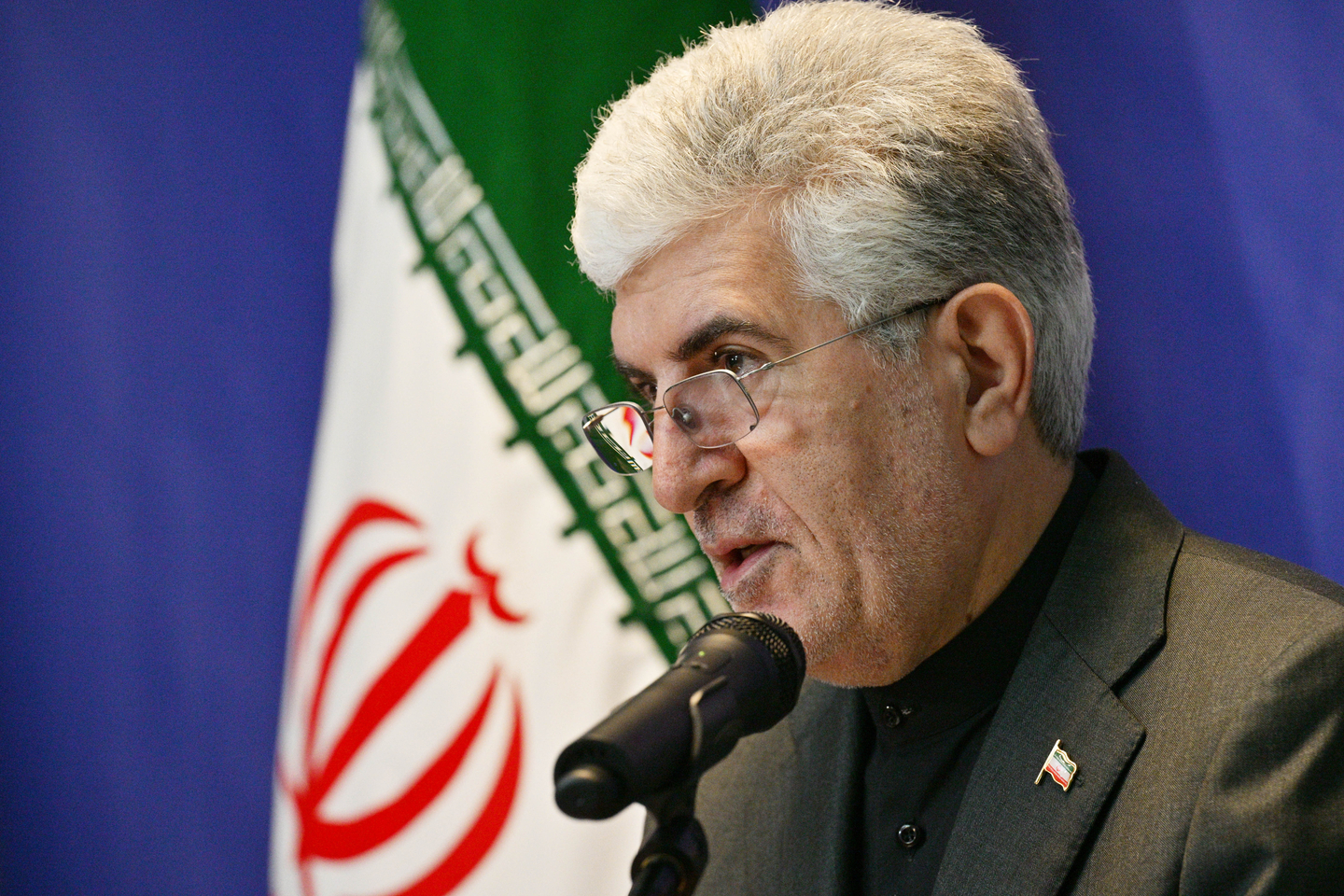
In a notable diplomatic gesture, Iranian President Masoud Pezeshkian apologised to Gulf states on Saturday for the strikes, signalling that Tehran does not view the region’s Arab governments as its primary adversaries. Mousavi echoed that sentiment, stating there was ‘willingness from the Iranian side not to strike, not to attack our neighbours.’ The ambassador maintained, however, that Iran retained the right to continue striking targets across the region where US and Israeli military assets were present.
The apology drew sharp criticism from Iranian hardliners at home, who condemned Pezeshkian’s conciliatory tone as a sign of weakness at a moment when Iran is absorbing the most intense military pressure in its modern history.
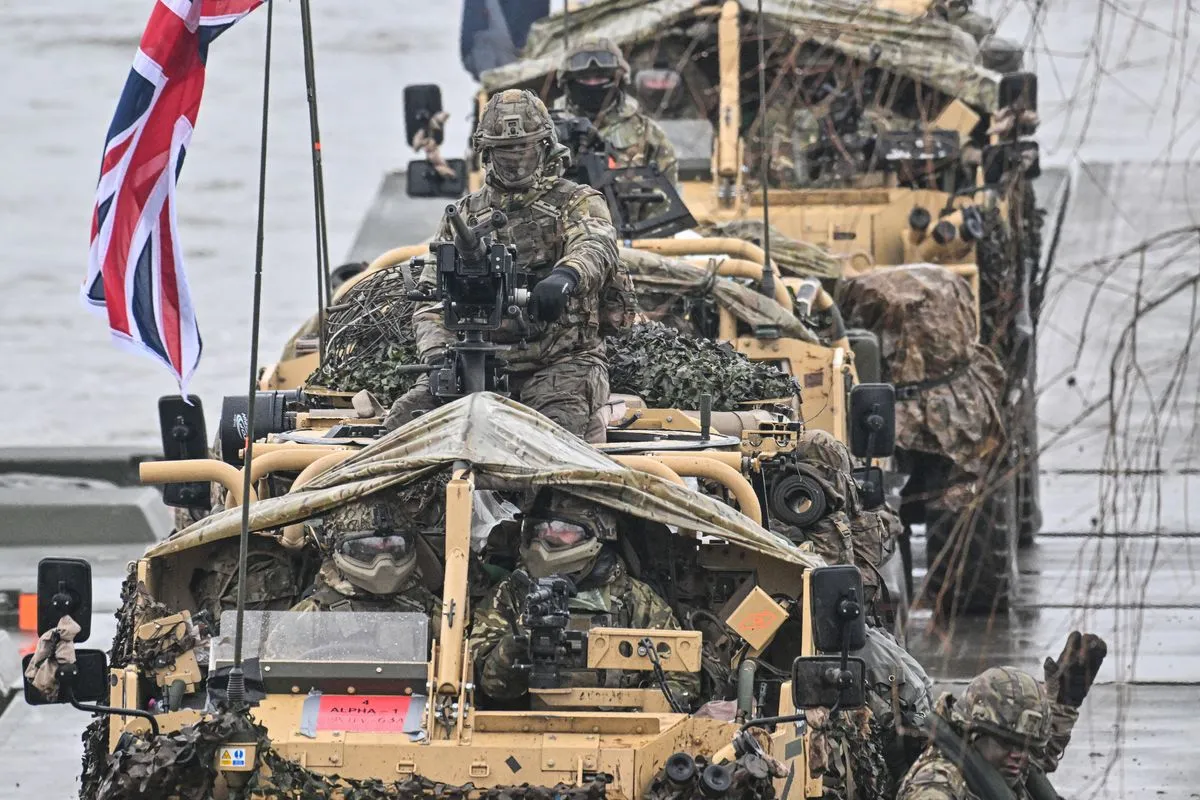
The backdrop to Thursday’s interview carries its own historical weight. The Iranian embassy in London was the site of a six-day siege in April 1980, when five gunmen belonging to a dissident group opposed to Ayatollah Khomeini seized the building and took hostages. SAS commandos stormed the embassy on the siege’s final day, killing all five gunmen. Nineteen hostages were freed; one died and two were wounded in the crossfire. The building has stood as a symbol of Iranian diplomatic presence in Britain ever since — and now, once again, it sits at the centre of a crisis between London and Tehran.
The conflict’s rapid escalation has alarmed governments across the Middle East and beyond. With US bombers positioned at British bases, Iran’s supreme leader dead, and missile exchanges spreading across the Gulf, the risk of the war broadening further remains acute. Whether Britain’s carefully maintained distinction between hosting American forces and conducting its own strikes will satisfy Tehran — or hold under pressure from Washington — may prove one of the defining diplomatic questions of the weeks ahead.