High-stakes negotiations between the United States and Iran over Tehran’s nuclear program concluded without reaching a deal, as the specter of potential military action looms large. The discussions, mediated by Oman’s foreign minister, were described as one of the most intense and longest rounds of negotiations to date, yet failed to produce a conclusive agreement.
The talks, which took place in Geneva, were led by US special envoy Steve Witkoff and Iran’s foreign minister Abbas Araghchi. Despite the lack of a final deal, Araghchi noted ‘good progress’ on key issues, including nuclear program constraints and sanction relief. The Omani mediator echoed this sentiment, citing ‘significant progress’ during the six-hour meeting, which was divided into two sessions.
President Donald Trump has issued a 10-15 day deadline for Iran to reach a ‘meaningful deal’ with Washington, setting a critical date of March 6 for the negotiations. As the deadline approaches, the US is considering its largest military intervention since the 2003 invasion of Iraq, with Trump contemplating military action against Iran.

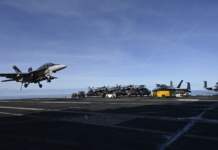
In a move that underscores the rising tensions, the USS Gerald R Ford, the world’s largest aircraft carrier, has departed from the US naval base in Souda Bay, Crete, heading towards the Middle East. It is expected to reach the shores of Israel within 24 hours, joining the USS Abraham Lincoln in the region. This deployment has contributed to a rise in oil prices, which have surged to around $70 a barrel amid concerns over the potential for conflict.
The strategic Strait of Hormuz, through which a fifth of the world’s traded oil passes, briefly saw halted traffic during the last round of talks, highlighting the fragile nature of the situation. The next phase of negotiations is scheduled to take place at a technical level in Vienna next week, as both sides seek to bridge their differences and avert a military confrontation.
As the international community watches closely, the outcome of these negotiations carries significant implications for regional stability and global energy markets. The potential for military escalation remains a critical concern, with the US’s military posture in the region signaling a readiness to respond should diplomatic efforts falter.