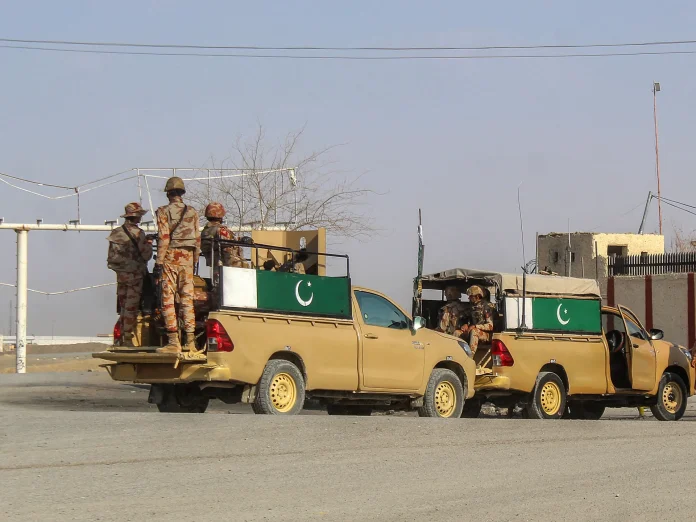
Pakistan’s Defence Minister Khawaja Asif has declared an ‘open war’ against Afghanistan’s Taliban government, escalating tensions between the two nations. The announcement follows a series of violent clashes along the Durand Line, the 2,640-kilometer border that separates the two countries.
In recent days, Pakistan’s air force has launched strikes targeting military infrastructure in key Afghan cities, including Kabul and Kandahar. The Taliban government, led by spokesperson Zabihullah Mujahid, has confirmed these attacks and reported retaliatory operations against Pakistani forces.
The conflict intensified on February 6, 2026, when a suicide bomber killed at least 36 people at a Shia mosque in Islamabad. Further violence erupted on February 21, 2026, with another suicide bombing in Bannu, Khyber Pakhtunkhwa, resulting in the deaths of two soldiers.
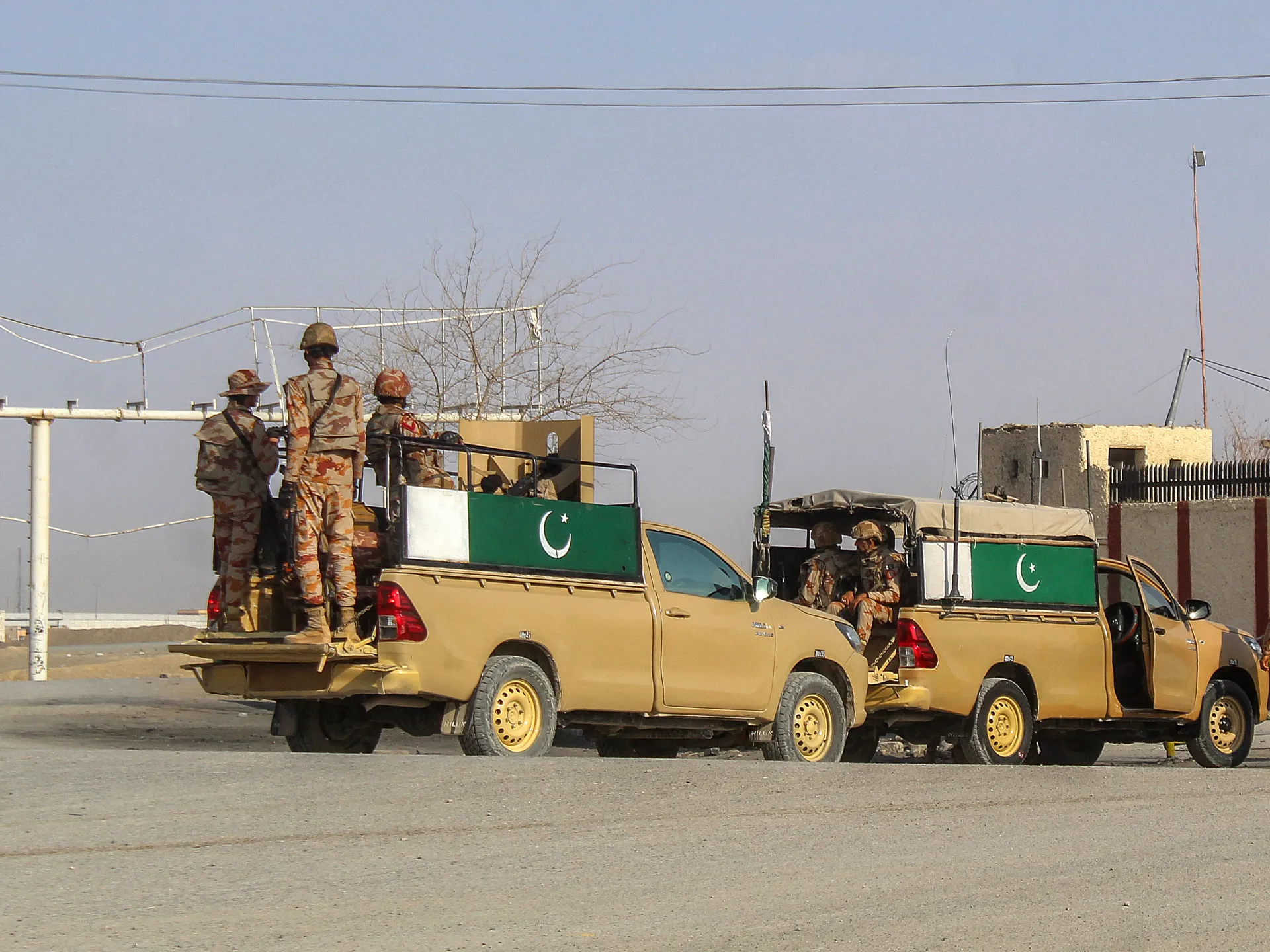
Pakistan claims that its military operations have resulted in the deaths of 133 Afghan Taliban fighters and over 200 wounded. Conversely, Afghanistan reports that 55 Pakistani soldiers have been killed and 19 military bases seized during the ongoing hostilities.
The Torkham border crossing has become a flashpoint, with reports of gunfire and shelling. Afghan refugees in the area have been relocated to safer zones due to the escalating violence. The situation has also affected civilians, with several wounded near the border, including seven refugees injured by a mortar shell.
International calls for peace have been made, with Iran’s Foreign Minister Abbas Araghchi and Russia urging both nations to resolve their differences through dialogue. Despite these appeals, the conflict has persisted, with both sides reporting significant casualties.
The current escalation follows a history of border clashes, with 75 incidents recorded since 2021. Pakistan has conducted seven documented air strikes on Afghan territory during this period. Previous attempts at negotiation, brokered by Qatar and Turkey, failed to yield a lasting peace agreement.
The ongoing conflict has broader implications for regional stability, with Islamabad accusing Afghanistan of harboring militant groups that target Pakistan. The Taliban, in turn, has pledged to retaliate against Pakistan’s military actions.
As the situation develops, the international community continues to monitor the conflict closely, with hopes for a diplomatic resolution remaining uncertain.