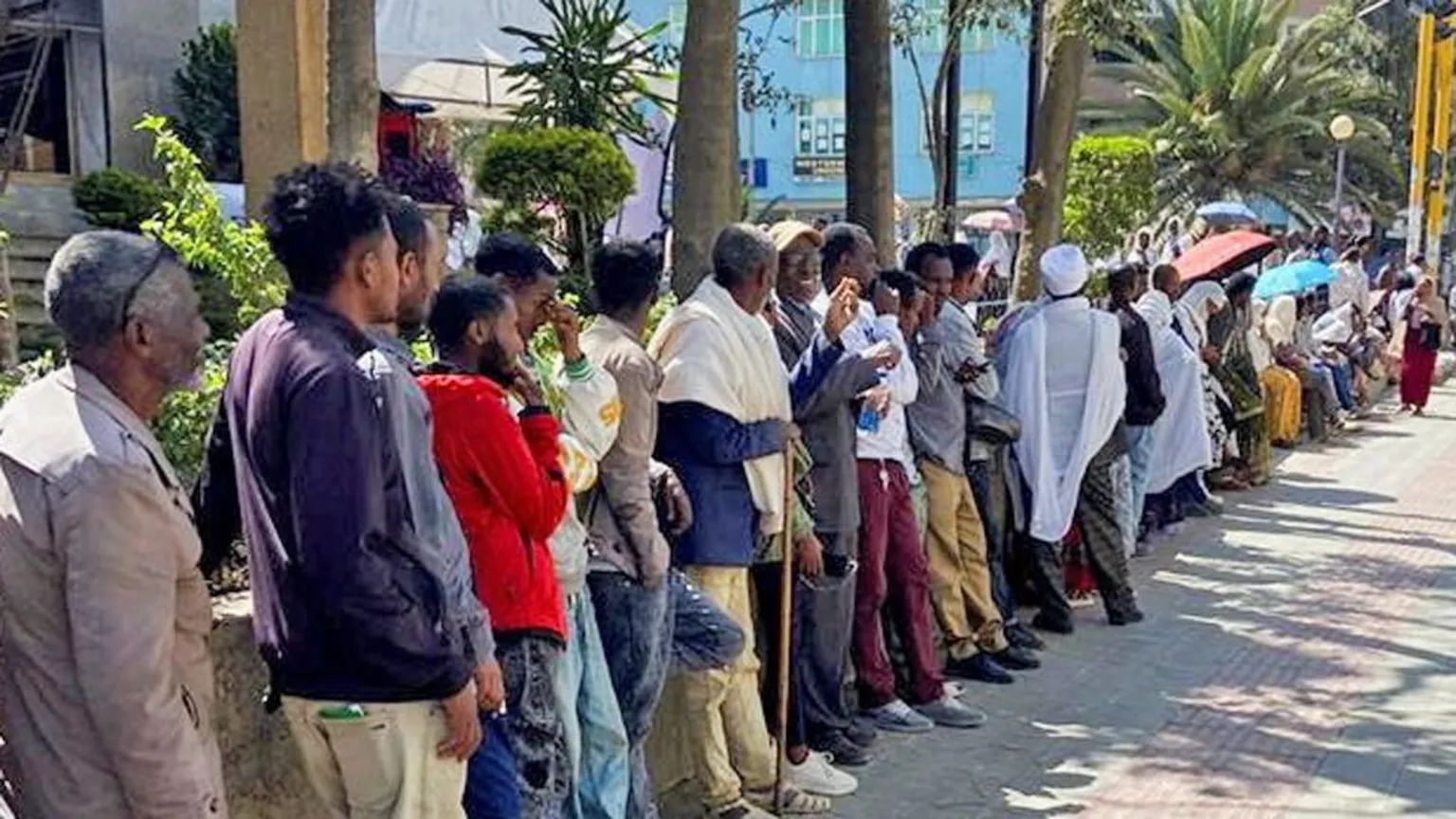
Fears of a return to conflict in northern Ethiopia are prompting a significant exodus from the Tigray region, with many residents opting for flights or buses to reach the capital, Addis Ababa. The situation remains tense as the United Nations describes the region as ‘highly volatile,’ following reports of troop mobilizations and drone strikes.
The civil war in Tigray, which ended in November 2022, claimed an estimated 600,000 lives. The peace agreement, brokered by the African Union and signed in Pretoria, South Africa, brought a temporary halt to the fighting. However, recent developments have raised concerns about the stability of the region.
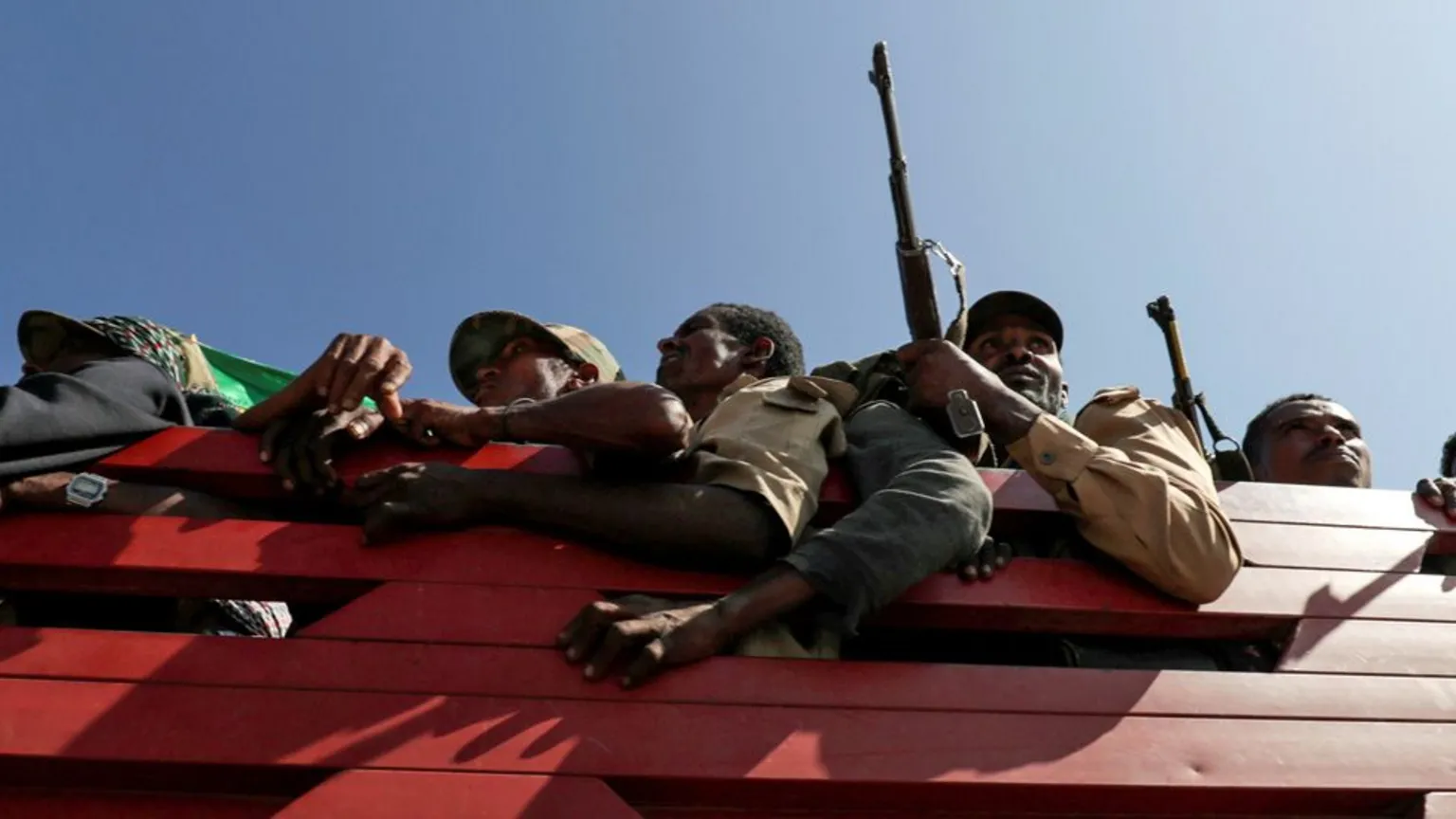
In late January 2023, brief clashes between federal troops and Tigrayan fighters were reported, and flights to Tigrayan cities were suspended for nearly a week. Ethiopia has accused Eritrea of backing Tigrayan forces, a claim Eritrea denies. The Ethiopian government has also fallen out with both Eritrea and armed militias from the Amhara region, further complicating the political landscape.
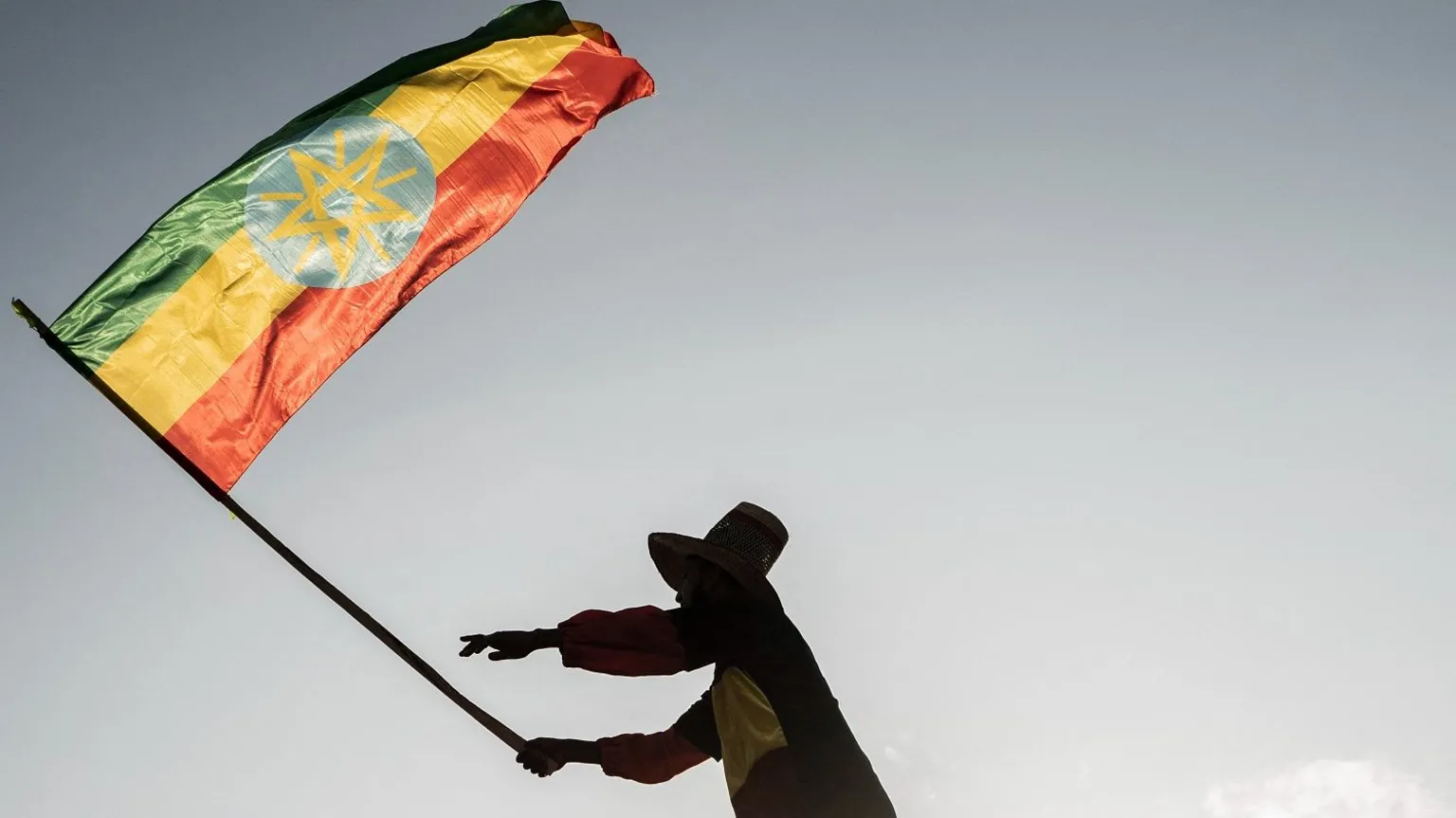
The political situation is exacerbated by the upcoming elections scheduled for June 2024. The electoral board has decided that disputed areas will vote independently, adding another layer of complexity to the already fraught environment. The Tigray People’s Liberation Front (TPLF), a key player in the previous conflict, has seen its legal status as a political party revoked, and the group has since split into factions.
Economic challenges are also contributing to the unrest. The daily cash withdrawal limit in Ethiopia is set at around 2,000 birr, equivalent to $13 or £10, which restricts financial mobility for many residents. This economic strain is compounded by the loss of Ethiopia’s Red Sea ports following Eritrea’s independence in 1993, a factor that continues to influence regional dynamics.
Prime Minister Abiy Ahmed, who won the Nobel Peace Prize in 2019 for ending the military stalemate with Eritrea, now faces the daunting task of maintaining peace and stability. His administration has hinted at the desire to reclaim Eritrea’s southern port of Assab by force, a move that could further escalate tensions.
As the situation develops, the international community remains watchful. The African Union and the United Nations continue to monitor the region closely, emphasizing the need for dialogue and peaceful resolution. The outcome of the upcoming elections and the ability of the Ethiopian government to navigate these complex challenges will be crucial in determining the future of Tigray and the broader region.