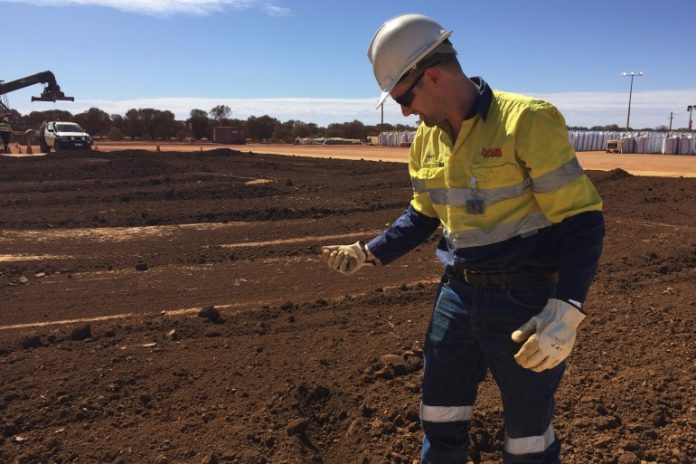
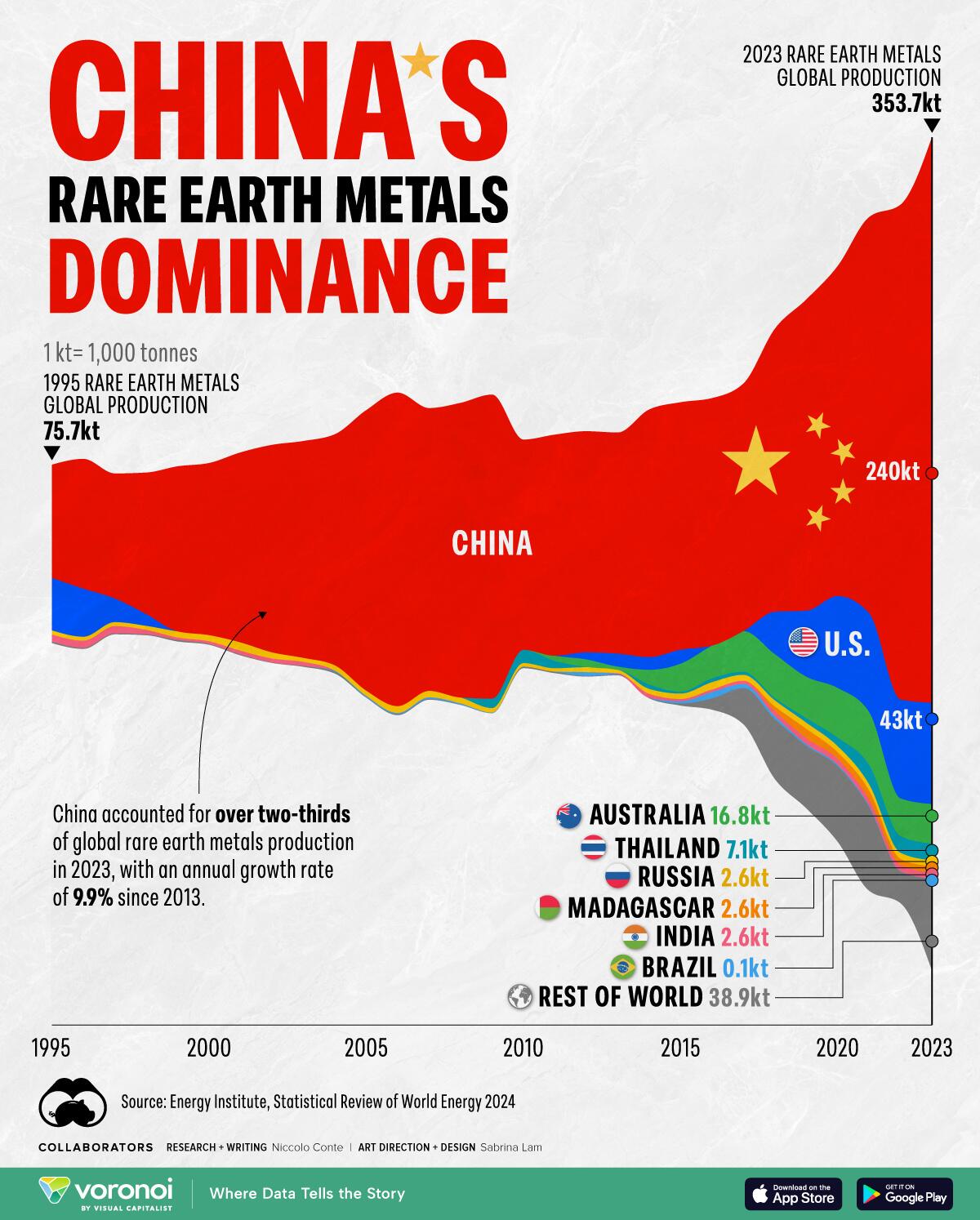
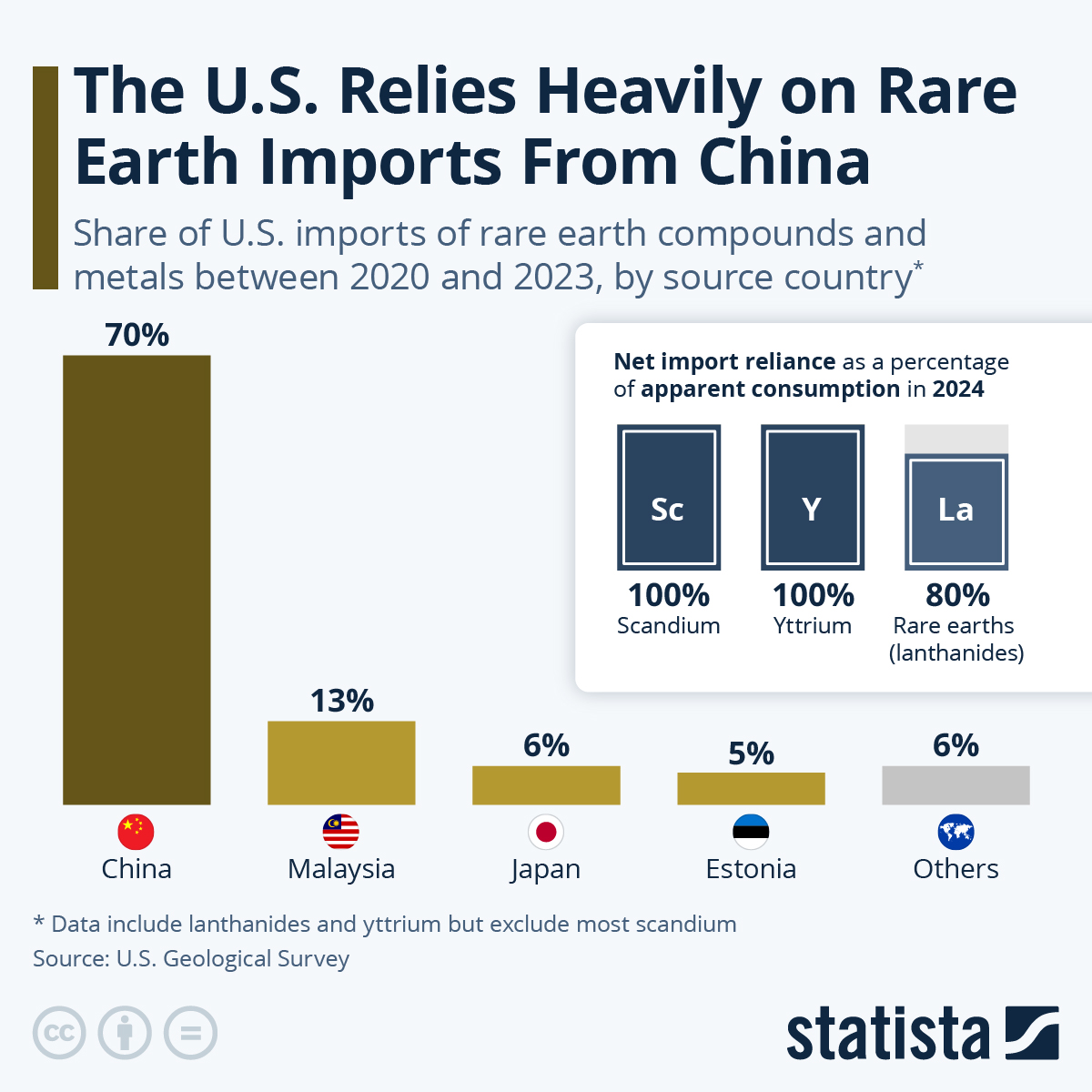
Australia is poised to become a significant player in the rare-earth metals market, particularly in light of recent export restrictions imposed by China, which currently dominates the global supply chain. The restrictions, announced last week, involve 12 of the 17 rare earth metals and have raised alarms among nations reliant on these critical materials, particularly the United States. China’s control over rare earths is substantial, as it produces approximately 70% of the world’s supply and processes around 90% of these minerals. The recent tightening of export controls, which include heavy rare earths essential for advanced technologies, has been interpreted by many analysts as a strategic move to leverage trade negotiations with the US.
This comes just ahead of a highly anticipated meeting between US President Donald Trump and Australian Prime Minister Anthony Albanese, set for October 20. In response to these developments, Australian officials have expressed confidence in their ability to meet global demand for rare earths. Treasurer Jim Chalmers, speaking in Washington, asserted that “Australia is very well placed” to become a reliable supplier to the US and other markets. This sentiment aligns with discussions that have taken place between Australian Trade Minister Don Farrell and his US counterpart, Jamieson Greer, in which the US expressed an urgent need for critical minerals.
Australia’s critical minerals reserve, valued at $1.2 billion, is part of a broader strategy to enhance domestic production and processing capabilities. Despite being rich in resources, Australia’s reserves are only about one-seventh the size of China’s. The Australian government is keen to shift the narrative, as a significant portion of its lithium, a key component in batteries and other technologies, currently goes to China for processing. The urgency of developing Australia’s rare earth capabilities is underscored by experts like John Mavrogenes from the Australian National University, who highlights the need for an investment in skills and technology to compete effectively with China’s established supply chain.
He points out that Australia lacks the necessary metallurgists and chemical engineers to ramp up production and processing quickly, stating, “We probably need 10, 20, 50 times more than we’re producing.”
Recent collaborations indicate that steps are being taken to bolster Australia’s position. Lynas Rare Earths, the country’s largest rare earth company, has partnered with US firm Noveon Magnetics to supply magnets to US defense companies. This partnership not only underscores the growing demand for Australian rare earths but also reflects a strategic pivot away from reliance on Chinese processing capabilities. The geopolitical landscape surrounding rare earths is becoming increasingly complex.
China’s export restrictions are framed under national security concerns, with officials stating that rare-earth items have dual-use properties for both civilian and military applications. This has raised the stakes for countries like the US, which are heavily dependent on these materials for advanced technologies, including semiconductors and electric vehicles. As the deadline for China’s new export regulations approaches on December 1, foreign companies will face additional hurdles in obtaining permits to purchase rare-earth products, further complicating the supply chain. The potential repercussions of these restrictions were highlighted in the past when car manufacturers, including Ford and General Motors, faced production halts due to previous export bans by China.
Against this backdrop, the upcoming meeting between Trump and Albanese is expected to focus heavily on critical minerals, with both leaders likely to discuss strategies to enhance cooperation and reduce dependency on Chinese supplies. The Australian government appears committed to breaking the cycle of sending raw materials to China for processing, a move that could reshape the global rare earth landscape. The stakes are high, as the demand for rare earths is not only essential for technology and defense but also for the transition to clean energy. With global economies increasingly recognizing the importance of securing a stable supply of these critical minerals, Australia’s role could become pivotal in the coming years.
As the world watches how these dynamics unfold, Australia’s efforts to position itself as a reliable source of rare earths could have lasting implications for international trade and geopolitical relations.