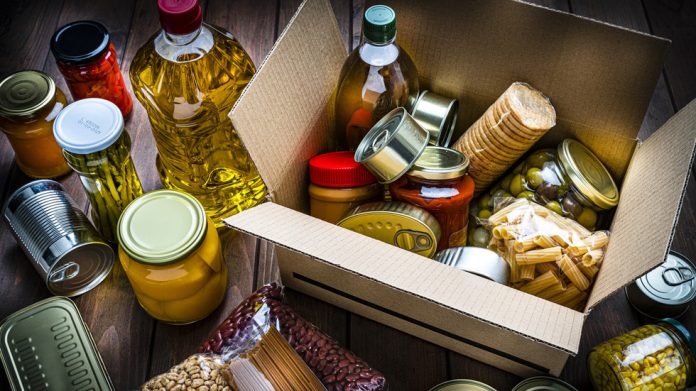
Sweden has initiated a significant shift in its national defense strategy by announcing a food stockpiling program for the first time since the Cold War. This decision, driven by rising security concerns regarding Russia, reflects a broader trend among Nordic countries to enhance their preparedness for potential conflict. The Swedish government has earmarked approximately $57 million in its 2026 budget to create emergency reserves of essential food supplies, including grain, to ensure that citizens can access sufficient nutrition during crises or wartime. The Swedish Board of Agriculture revealed that the stockpiling initiative aims to provide food equivalent to 3,000 calories per person per day during heightened alert situations.
Civil Defense Minister Carl-Oskar Bohlin emphasized the urgency of this program, stating, “There is no time to lose.” The first storage facilities will be established in northern Sweden, a region deemed strategically important due to its military significance and current low levels of grain self-sufficiency. The construction of these facilities is expected to take place from 2026 to 2028. In tandem with this initiative, Sweden has distributed five million pamphlets titled “If Crisis or War Comes” to its residents. This booklet serves as a guide for citizens on how to prepare for various emergencies, including nuclear attacks, natural disasters, and cyber threats.
The pamphlet urges individuals to stockpile food and water, maintain a supply of blankets and warm clothing, and be ready to seek shelter in the event of an attack. A particularly alarming excerpt warns of the increased risks associated with nuclear weapons, echoing sentiments reminiscent of Cold War-era guidance. The security landscape in the Baltic region has shifted dramatically since the onset of Russia’s full-scale invasion of Ukraine, prompting both Sweden and Finland to abandon decades of military nonalignment and seek NATO membership. Finland is also taking steps to enhance its preparedness, with plans for underground training exercises scheduled for next month.

Lawmakers in Finland have cited similar fears about Russian aggression as a catalyst for these drills. Russia, however, has categorically rejected claims of threatening NATO or EU nations. Kremlin officials have dismissed the heightened fears as “anti-Russian hysteria” and “fearmongering” propagated by Western leaders. President Vladimir Putin has characterized Sweden and Finland’s accession to NATO as “foolish,” arguing that it undermines regional stability without enhancing their security.
He also suggested that Russia has historically maintained friendly relations with both countries prior to their NATO membership. The backdrop of these developments includes increasing tensions between Russia and the West, particularly following U.S. President Joe Biden’s approval of long-range missile supplies to Ukraine. This decision has raised concerns among critics, including Donald Trump Jr., who accused the Biden administration of escalating the risk of a broader conflict.
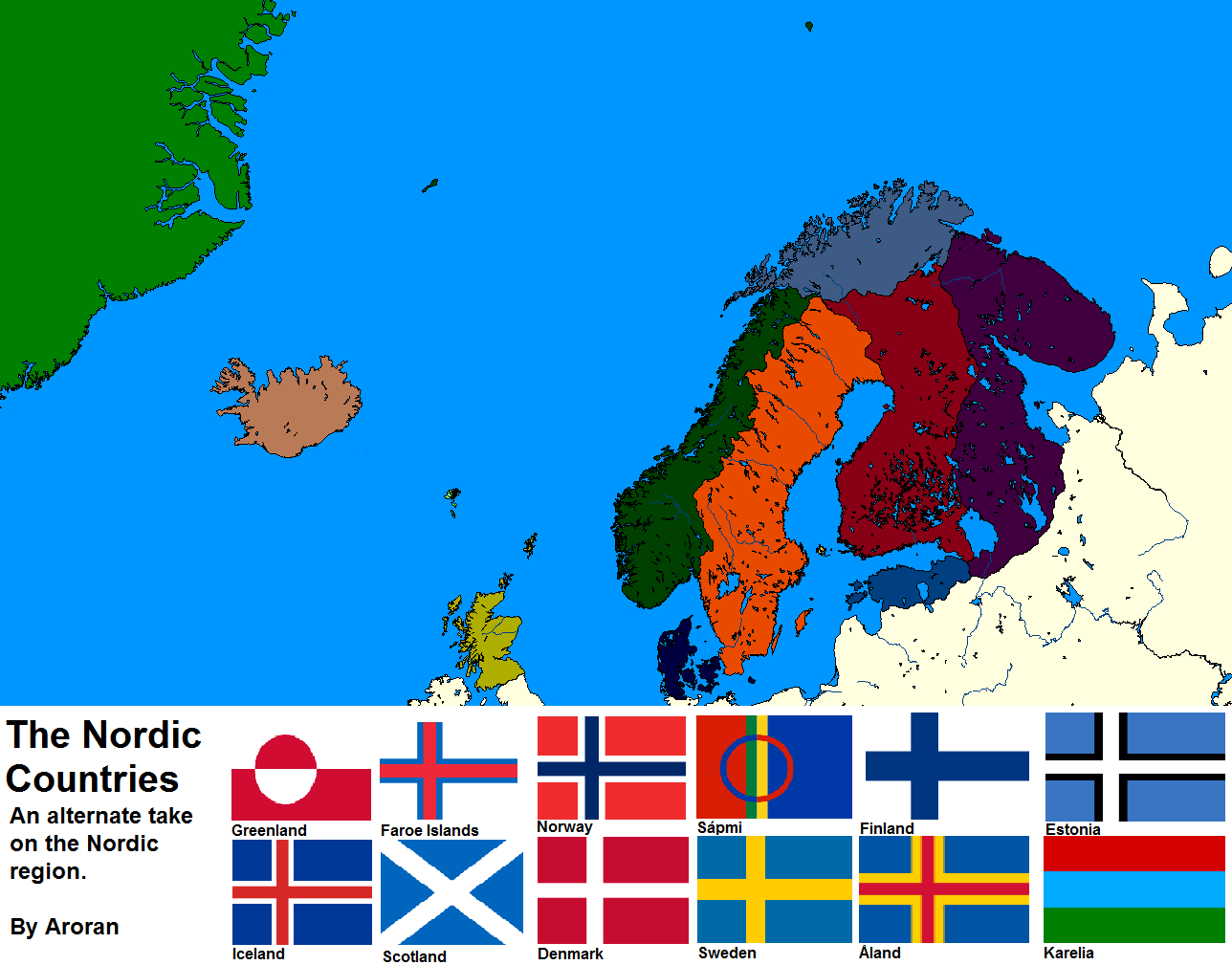
The potential for nuclear escalation has also been highlighted by various commentators, with some warning of the possibility of nuclear war in light of recent provocations. In addition to Sweden’s initiatives, neighboring countries are taking similar measures. Germany is developing an app to help citizens locate nearby bunkers in case of an attack, while Norway has distributed its own pamphlet advising residents to maintain a stockpile of non-perishable food. This collective response reflects a recognition among these nations of the uncertain global security environment, characterized by armed conflicts, terrorism, and cyber threats.
Public reaction to Sweden’s preparedness measures has been mixed. While some citizens express support for the government’s proactive approach, others remain skeptical or indifferent. For individuals with personal experiences of conflict, such as Muna Ayan, a healthcare worker from Stockholm, the prospect of war evokes deep-seated fears. Ayan, who has survived conflict in Somalia, articulated her concerns about the implications of war, stating, “I am scared because I know what war means.”
As Sweden and its Nordic neighbors bolster their defenses and prepare their populations for the worst, the specter of conflict looms large.
The revival of Cold War-era strategies underscores the seriousness with which these nations are approaching the current geopolitical climate, as they seek to safeguard their citizens and maintain stability in an increasingly turbulent world.