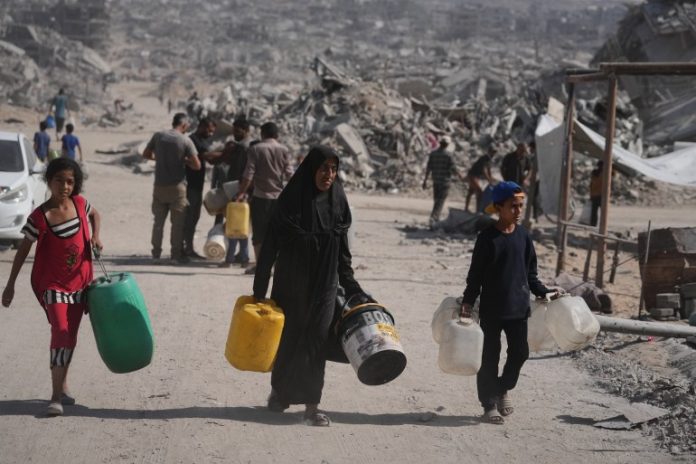
A week into the ceasefire between Israel and Hamas, the humanitarian crisis in Gaza continues to deepen, with aid deliveries facing significant obstacles. The Rafah crossing with Egypt, crucial for bringing in large-scale assistance, remains sealed by Israeli authorities despite mounting international pressure to allow aid into the enclave. The United Nations has reported that Israeli military actions have resulted in casualties among Palestinians, with recent attacks in northern Gaza leading to several deaths and injuries. The ongoing conflict has claimed the lives of over 67,000 Palestinians in the past two years, underscoring the dire need for humanitarian aid.
Since the ceasefire commenced, the World Food Programme (WFP) has managed to deliver an average of 560 tonnes of food per day. However, this volume falls far short of what is required to address the urgent needs of the population. The UN’s humanitarian affairs chief, Tom Fletcher, emphasized that thousands of aid vehicles must enter Gaza weekly to combat widespread malnutrition, homelessness, and the collapse of infrastructure. Fletcher noted, “The challenges ahead are immense, but we are determined to deliver on the humanitarian possibilities created by President Trump’s peace deal.”
Access to northern Gaza, particularly Gaza City, is severely restricted due to the continued closure of key routes, including Zikim and Beit Hanoon.
WFP spokesperson Abeer Etefa highlighted the critical nature of these openings, stating, “It is very important to have these openings in the north; this is where the famine took hold.” The organization has reported that while some food products have reached the area, significant quantities remain stuck due to damaged roads and military presence. Global medical charity Doctors Without Borders (MSF) has also raised alarms about the state of healthcare in northern Gaza. Many relief agencies have not fully returned to the region, where hospitals are barely functioning. MSF emergency coordinator Jacob Granger recounted a distressing case of a woman in Gaza City who suffered a shrapnel wound but was unable to access medical care for five days.
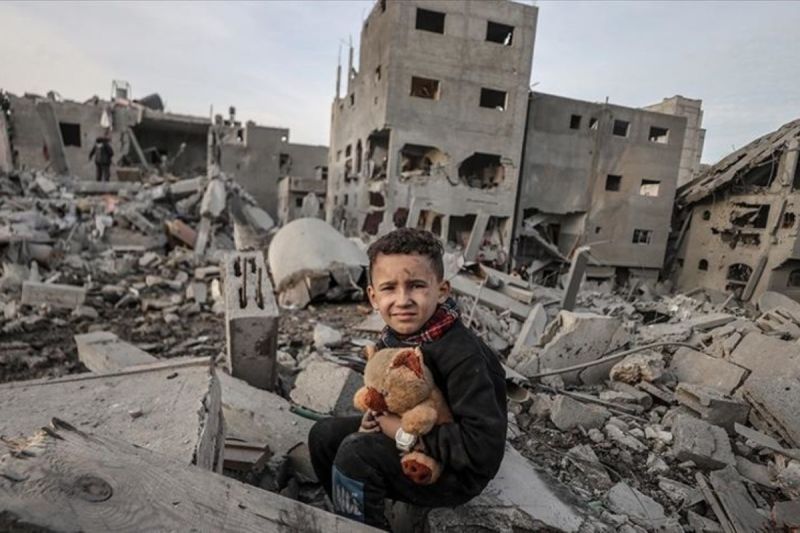
When she finally received treatment, her wound was infected with worms and maggots, illustrating the dire circumstances faced by civilians. In addition to the humanitarian crisis, Israeli forces continue to conduct operations in Gaza. Recent reports from Gaza’s civil defense indicate that an Israeli artillery strike hit a bus carrying a displaced family, resulting in multiple casualties. This incident reflects the ongoing violence despite the ceasefire, raising concerns about the safety of civilians.
Hamas has stated its commitment to returning the remains of Israeli captives still unaccounted for in Gaza. However, the group has indicated that further recoveries require heavy machinery and excavation equipment, which are currently blocked by the Israeli military. Al Jazeera’s Hani Mahmoud reported on the disconnect between the demands of the Israeli government and the reality on the ground, where much of Gaza has been reduced to rubble. Authorities in Gaza are also grappling with the identification of bodies returned by Israel, with only six out of 120 bodies formally identified so far.
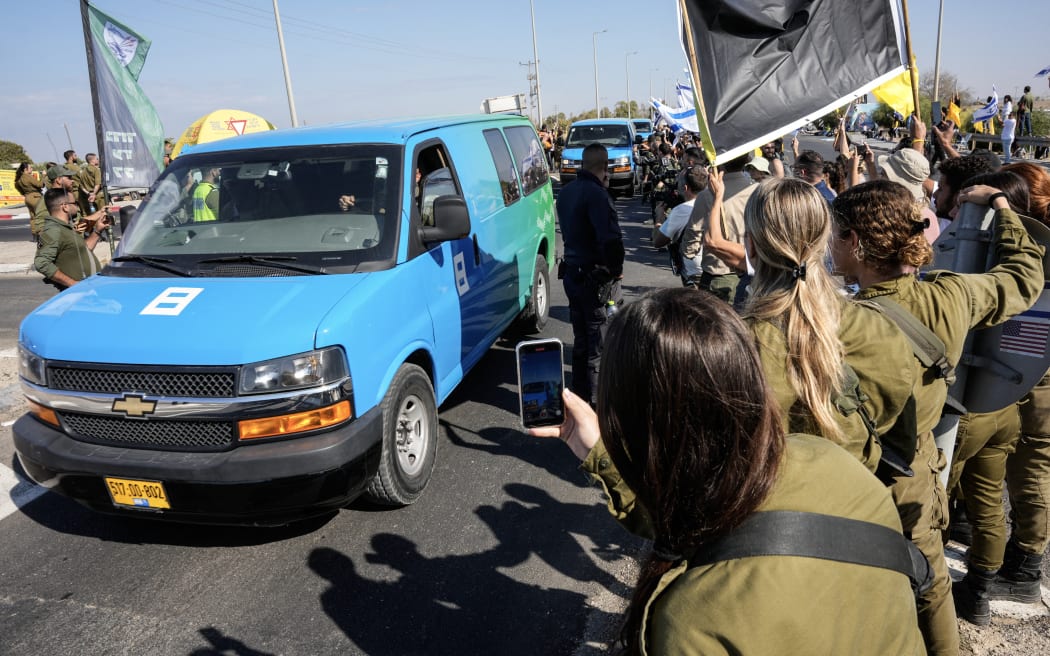
The Health Ministry has reported that many of these bodies exhibit signs of torture, including marks of hanging and gunfire at close range, raising serious questions about the treatment of detainees during the conflict. As the international community continues to call for increased humanitarian access to Gaza, the situation remains precarious. The need for urgent aid is evident, yet the challenges of delivering it persist, highlighting the complexities of the ongoing conflict and the dire humanitarian situation in the region. The ceasefire has opened a narrow window for relief efforts, but without significant improvements in access and security, the crisis in Gaza is likely to worsen.
Humanitarian organizations are urging for immediate action to facilitate aid deliveries and ensure the safety of civilians caught in the crossfire of this prolonged conflict.