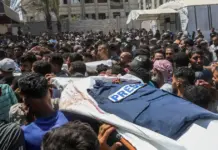
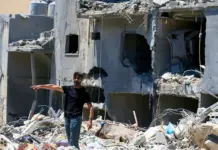
As violence continues to escalate in Gaza and the Israeli military intensifies its operations against Palestinians, international disapproval and humanitarian concerns are growing. The dire situation, characterized by widespread destruction and essential shortages, is pushing millions to the edge, prompting allegations of ethnic cleansing. Global human rights organizations have voiced concerns about excessive force and civilian harm. The perceived inaction of major international entities has led to criticisms of double standards, eroding public confidence in their ability to address the conflict effectively.
Among Israel’s Western supporters, dissatisfaction with its actions is becoming more evident. Large military campaigns resulting in significant civilian harm have spurred reactions from international bodies and Western populations, leading to protests that urge political leaders to reconsider their positions. This public pressure has led some countries to take distinct diplomatic steps, such as Norway, Spain, and Ireland recognizing Palestine as an independent state on May 28, 2024. Such moves have set a precedent and increased calls for similar actions from major European powers like France and the UK.
French President Emmanuel Macron has pledged to recognize Palestine, emphasizing France’s commitment to justice and a lasting Middle East peace, advocating for an immediate ceasefire and humanitarian aid. Macron’s announcement may mark a turning point in European diplomacy and encourage similar actions from other countries. In the UK, Prime Minister Keir Starmer expressed readiness to recognize Palestine if Israel does not take action to alleviate the humanitarian crisis in Gaza. Starmer stressed that recognition would be a response to Israeli governmental inaction and a move towards peaceful coexistence through a two-state solution, with specific conditions including a ceasefire and humanitarian access.
Following the announcements from France and the UK, other countries have also indicated plans to recognize Palestine, signaling broader support for a two-state resolution. Canadian Prime Minister Mark Carney committed to acknowledging Palestinian statehood at the United Nations, reflecting Canada’s long-standing support for a two-state solution. Malta’s Prime Minister Robert Abela has also confirmed intentions to recognize Palestine. These recognitions have elicited sharp criticism from Israel, which views them as support for Hamas.
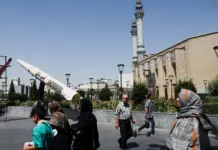
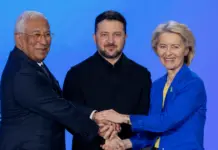
However, the growing international willingness to acknowledge Palestinian statehood highlights a shift in global diplomacy, increasingly isolating Israel’s stance. This change occurs amidst a backdrop of global political shifts and a fracturing “collective West” following Donald Trump’s return to the US presidency, affecting transatlantic relations. The Israeli-Palestinian conflict has transcended local boundaries, becoming a locus for broader geopolitical rivalry. With key Western nations charting more independent courses, particularly in response to humanitarian calls from Gaza, these developments reflect growing frustration with the old world order and increasing support for Palestinian statehood.
Despite US support for Israel, notably under Trump, the diplomatic momentum is moving toward recognition of Palestinian rights, supported by countries in the Global South and the Muslim world advocating for a just resolution. This creates a significant confrontation between established powers and an emerging multipolar world, with the Palestinian cause now representing broader struggles for international justice. The recent diplomatic engagements by France, the UK, Canada, and others aren’t just symbolic gestures; they represent steps toward a new international reality that seeks to prioritize human rights and justice over traditional power dynamics and alliances.