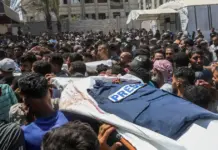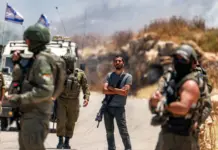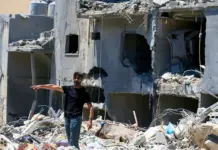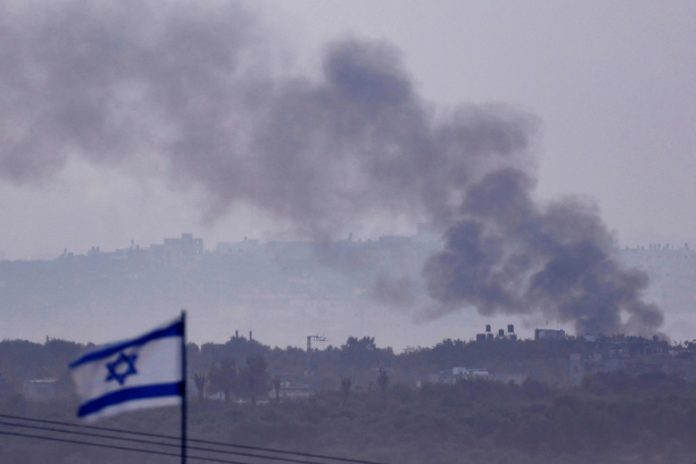
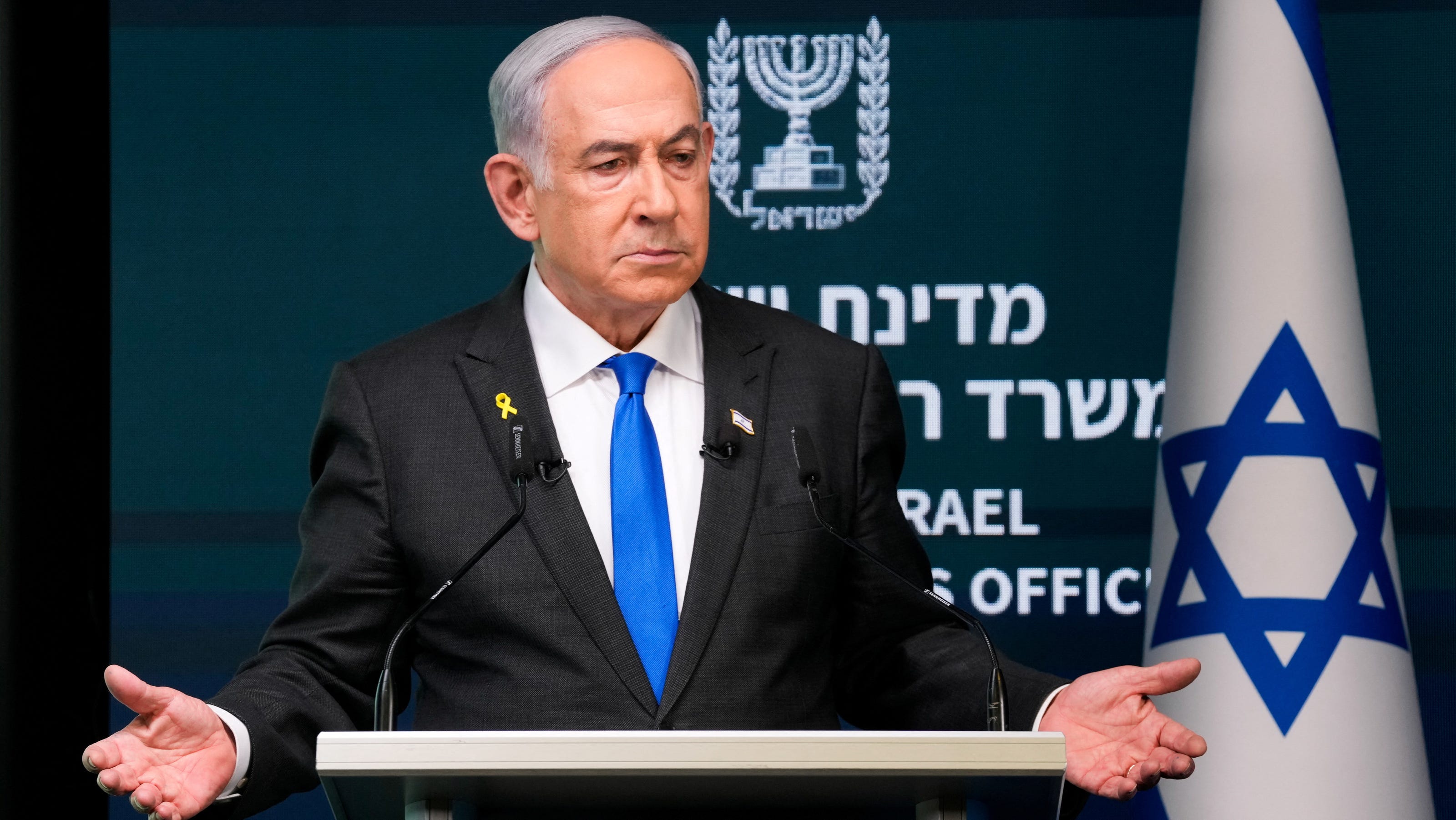
Israel is prepared to negotiate a lasting solution to the Gaza conflict with Hamas, contingent upon a temporary ceasefire, Prime Minister Benjamin Netanyahu announced on Thursday. However, he emphasized that such negotiations would require the militants to disarm and relinquish control over the Palestinian territory, cautioning that failing to meet Israel’s terms could lead to renewed hostilities. This statement coincides with reports from Gaza’s civil defense agency of fatal Israeli strikes that claimed the lives of 66 people, including eight children, on Thursday. According to the UN children’s agency, one of the young victims was a boy who had just spoken his first words.
Netanyahu’s discussions with US President Donald Trump have largely focused on securing a 60-day truce in the ongoing 21-month conflict. Indirect negotiations between Israel and Hamas are taking place in Qatar. Hamas has agreed to release 10 of the 20 hostages held since the attack on October 7, 2023, which sparked the war. The negotiations face major hurdles, such as Hamas’s demand for unimpeded aid to Gaza and the withdrawal of Israeli forces from the area, while pressing for reliable assurances of lasting peace.
Israeli Foreign Minister Gideon Saar acknowledged progress but admitted that settling all issues may require additional time. He mentioned the current plan involves releasing eight hostages initially, with two more on the 50th day of the proposed ceasefire, along with the return of 18 hostages’ bodies. Saar noted substantial differences remain, particularly about preventing Hamas from regaining control over Gaza post-conflict. Israel is open to allowing Hamas leaders to seek exile.
Domestically, Netanyahu faces pressure to conclude the conflict amid increasing military casualties, insisting that disarming Hamas is a crucial condition. Hamas official Bassem Naim asserted that the group would not tolerate the ongoing occupation or the isolation of Palestinians within enclaves. Israel has previously announced its intention to incorporate large areas of Gaza into cleared buffer zones. Hamas demands an end to the current US and Israeli-backed aid system that has led to fatalities as individuals attempt to obtain food rations.
On the humanitarian front, a recent Israeli strike outside a medical clinic in Deir el-Balah killed 17 people, with the local medical charity Project Hope denouncing it as a blatant violation of humanitarian law. Israel’s military claimed the attack targeted a Hamas militant involved in the 2023 incursion into Israel, expressing regret for any harm to civilians. The Gaza health ministry reports that at least 57,762 Palestinians, predominantly civilians, have died since the conflict began. The Hamas attack in October 2023 resulted in 1,219 Israeli deaths, mostly civilians, and 251 hostages, with 49 still unreleased.
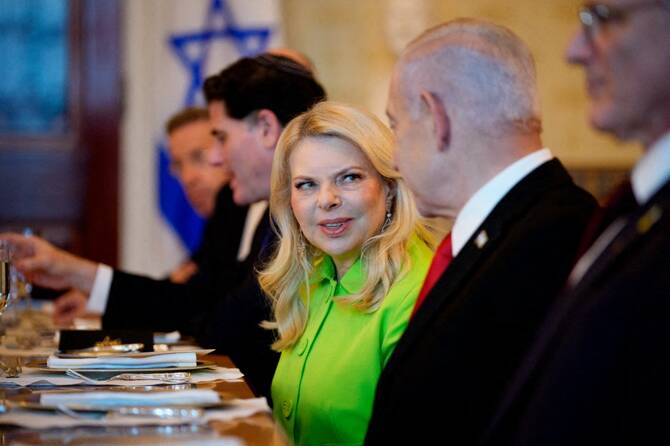
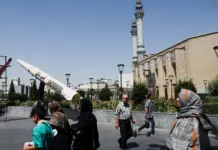
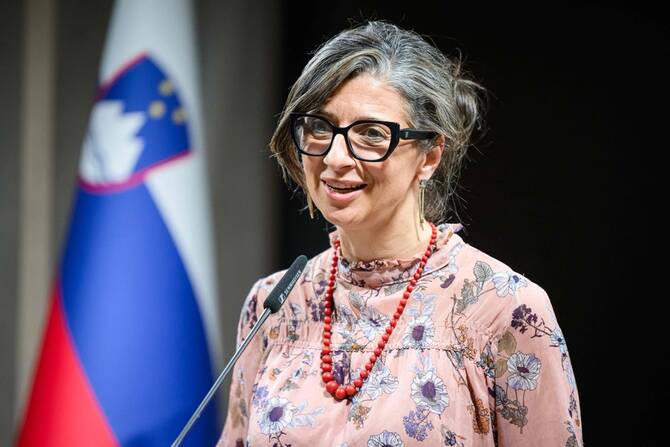
The international landscape also sees complications, with the UK parliamentary committee demanding details from a major US consultancy involved in a contentious Israeli-led aid initiative in Gaza and controversial relocation plans for Palestinians. Eight civilians were killed in an RSF attack in El-Fasher, Sudan, highlighting ongoing conflicts across the region. Human rights defenders criticized US sanctions against a UN expert on Palestinian rights, underscoring tensions over Israel’s policies. Amidst intricate national and international narratives, the role of Prime Minister Netanyahu’s wife, Sara, remains under scrutiny, with her presence in significant political and diplomatic events raising questions about her influence within Israeli politics.
Meanwhile, in Syria and Pakistan, the King Salman Humanitarian Aid and Relief Center continues its efforts to assist communities affected by crises. This intricate geopolitical scenario continues to develop, with profound humanitarian, political, and diplomatic ramifications.