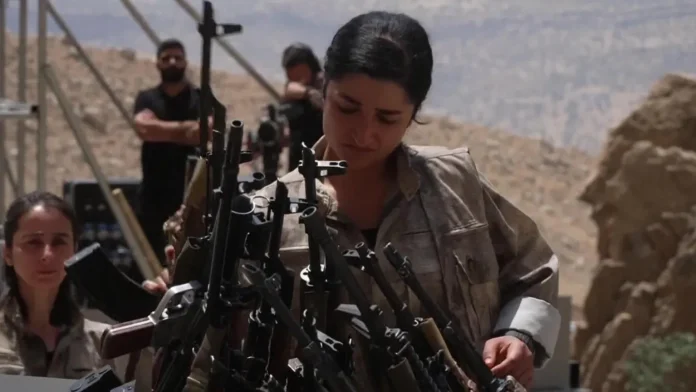
The Kurdish PKK, considered illegal in Turkey, has held a symbolic event to begin its disarmament after four decades of hostilities with the Turkish government. Approximately 30 male and female fighters participated, placing their arms in a large pot, setting the stage for a disarmament plan set to unfold over the summer. President Recep Tayyip Erdogan of Turkey described this event as a significant move toward creating a “terror-free” nation. The conflict has claimed roughly 40,000 lives since it started, and the PKK is designated as a terrorist organization by Turkey, the US, the EU, and the UK.
The impact of disarmament is expected to extend beyond Turkey to Iraq, Syria, and Iran. The ceremony drew a convoy of journalists and political figures, including Turkey’s pro-Kurdish opposition members, at a notable tourist location near Jasana cave, 50 km northwest of the Iraqi Kurdistan city of Suleymaniyah. Four senior commanders were among the PKK members who set their weapons on fire in the cauldron. The group released a statement, calling this act “a voluntary gesture of goodwill and commitment,” portraying it as a democratic milestone.
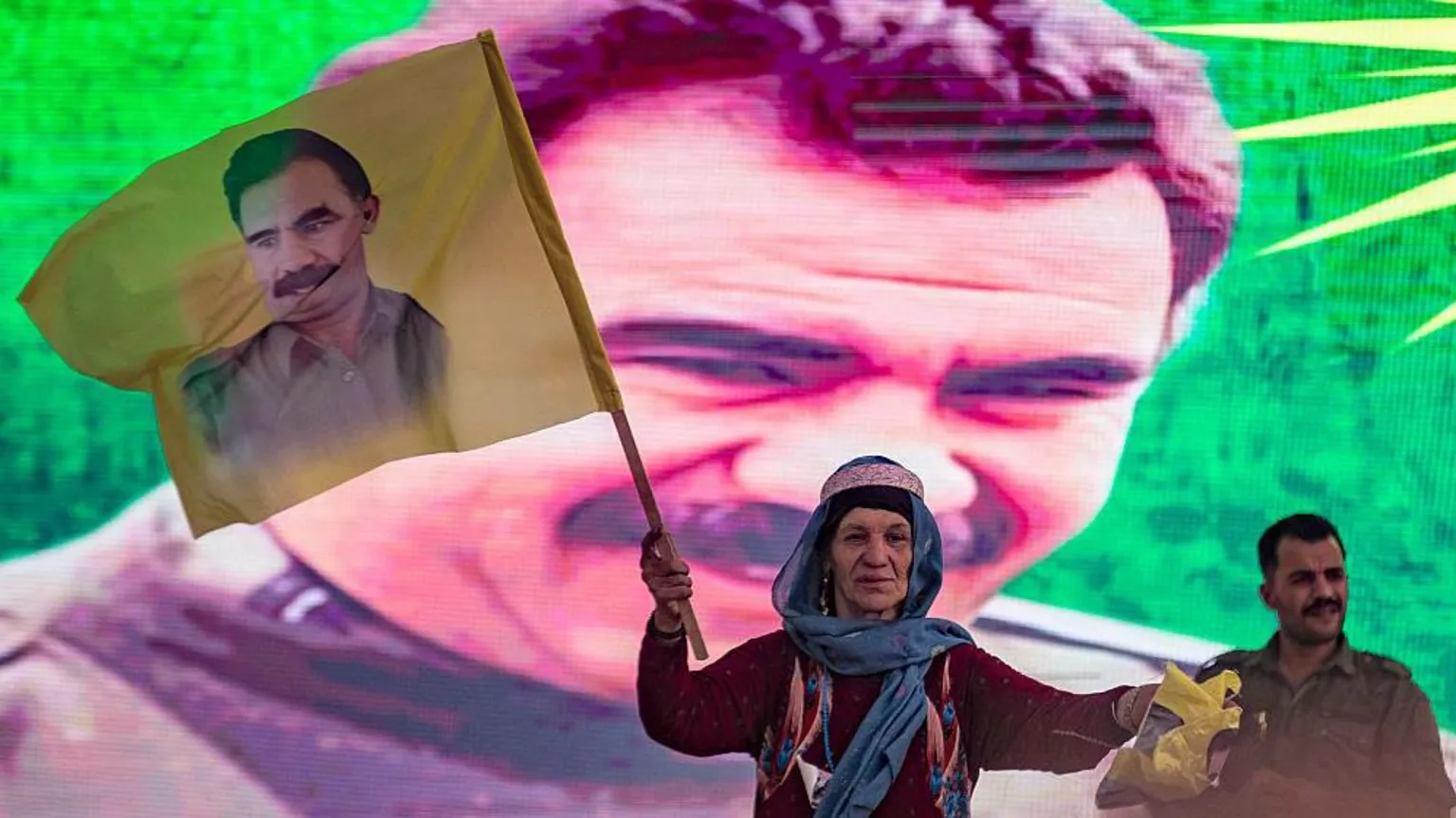
Earlier in the week, Abdullah Ocalan, the incarcerated PKK leader, announced this transition “from armed confrontation to democratic governance and law.” Ocalan has been in isolation on Imrali Island, near Istanbul, since his 1999 capture. The disarmament process will continue over the next few months with coordination among the Turkish, Iraqi, and Kurdistan regional governments. Although this isn’t the first peace attempt between Turkey and the PKK, hopes are high that the conflict, initiated in 1984, may finally cease. Originally advocating for a Marxist ideology and an independent Kurdish state, the PKK later pursued enhanced autonomy for the Kurdish population, which constitutes about 20% of Turkey’s residents.
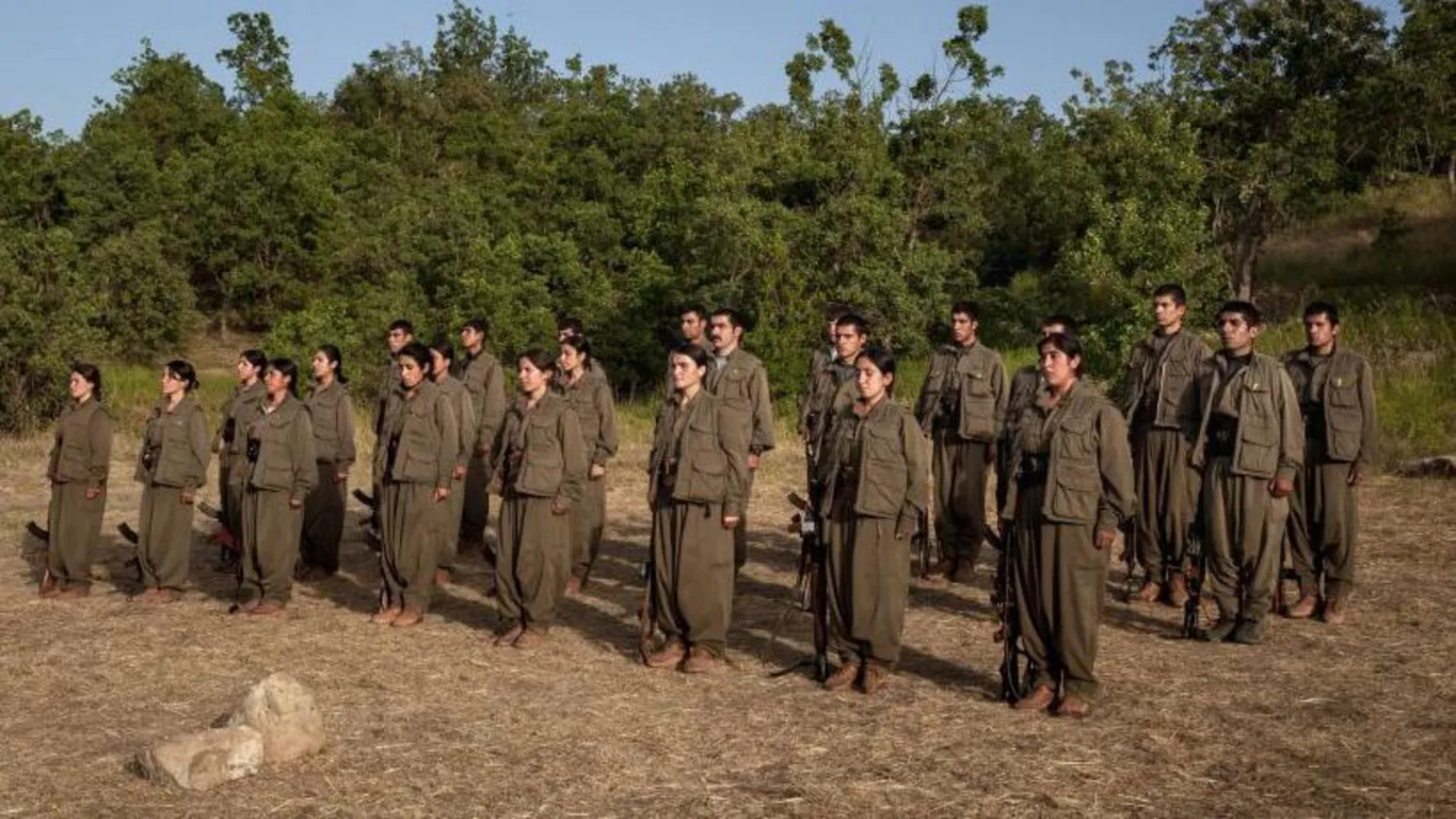
Ocalan declared a ceasefire in 2013 and urged PKK forces to leave Turkey. The 2015 Dolmabahce Agreement intended to improve democratic and linguistic rights for Kurds but collapsed amid severe violence, particularly in southeastern cities like Diyarbakir. Turkey’s air force targeted PKK positions in northern Iraq, while several military campaigns targeted Kurdish factions in Syria. The Turkish government refused further discussions until the PKK disarmed, which is now occurring.
In October 2024, Devlet Bahceli, a prominent nationalist figure and Erdogan supporter, initiated a process the government referred to as “terror-free Turkey,” calling upon Ocalan to disband the PKK. Bahceli hinted that such actions might pave the way for Ocalan’s potential release from Imrali Island. The government conducted negotiations with Ocalan through the pro-Kurdish Dem party, leading to his landmark appeal in February for the PKK’s dissolution, as conveyed by two MPs who visited him. Ocalan’s letter stated, “All factions must disarm, and the PKK should disband,” emphasizing that the group emerged because “democratic political avenues were shut.” Bahceli and Erdogan’s encouraging gestures had created a conducive environment.
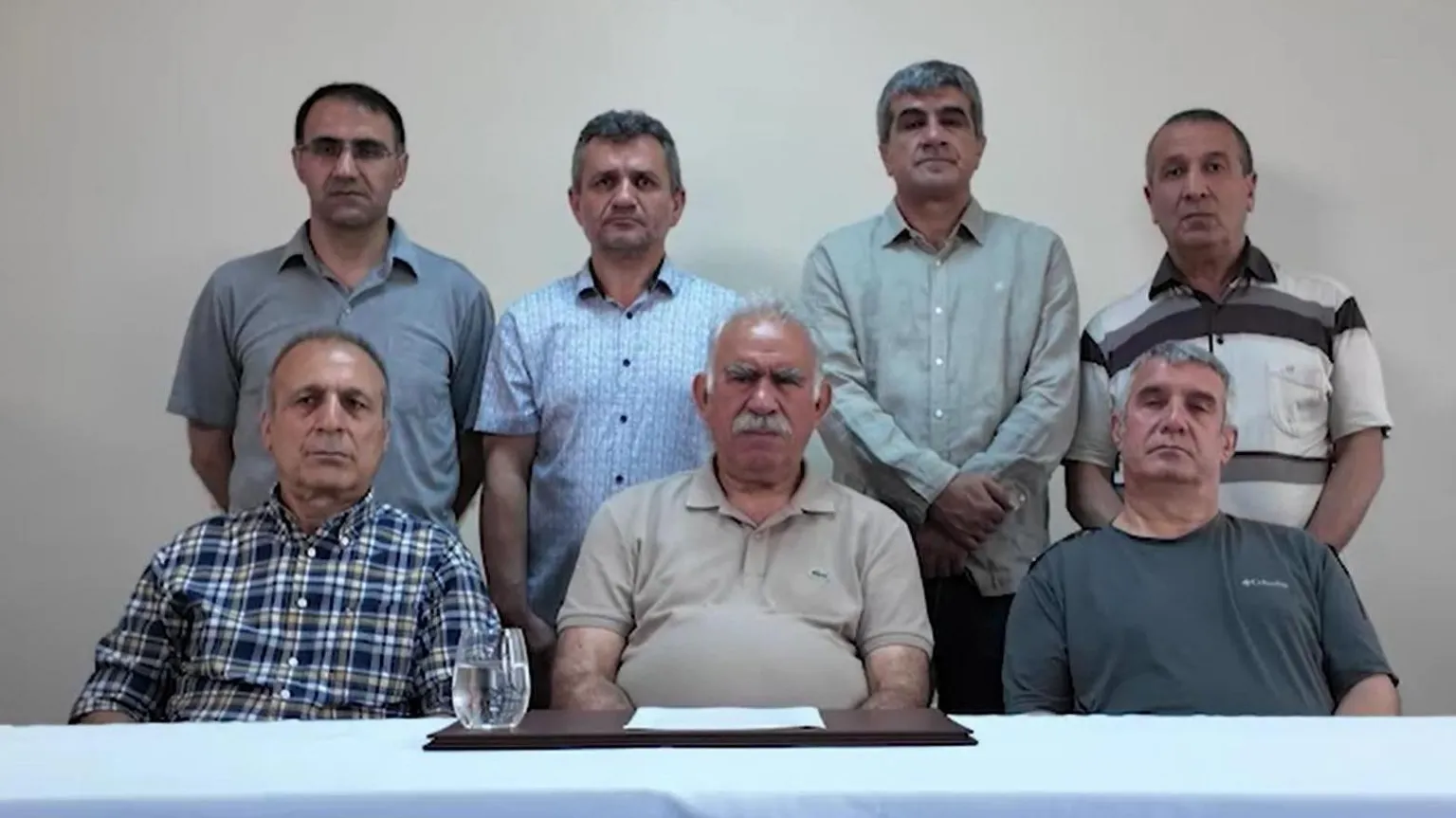
Following Ocalan’s directive, the PKK announced a ceasefire, declaring its “historical mission completed” and emphasizing that the Kurdish question could “now be addressed through democratic means.” President Erdogan described the development as a “chance to historically dismantle terror” and met with pro-Kurdish politicians in April. Despite decades of solitary confinement, Ocalan remains a potent figure for many Kurds. Joost Jongerden, an expert on the conflict from Wageningen University, notes Ocalan’s symbolic status for numerous Kurds. Ocalan made a seven-minute video appearance, urging the PKK to embrace political solutions over armed actions, wearing a beige Lacoste polo shirt that gained popularity after viewing.
The next phase will occur in Turkey’s parliament, where a committee will deliberate on the subsequent steps of the initiative. With a summer break approaching, substantial decisions are expected to be deferred until MPs consider the committee’s suggestions, allowing President Erdogan’s final approval. Abdullah Ocalan’s future remains uncertain. The government has mentioned the possibility of reviewing his incarceration conditions as the process advances, with any potential release occurring in later stages.
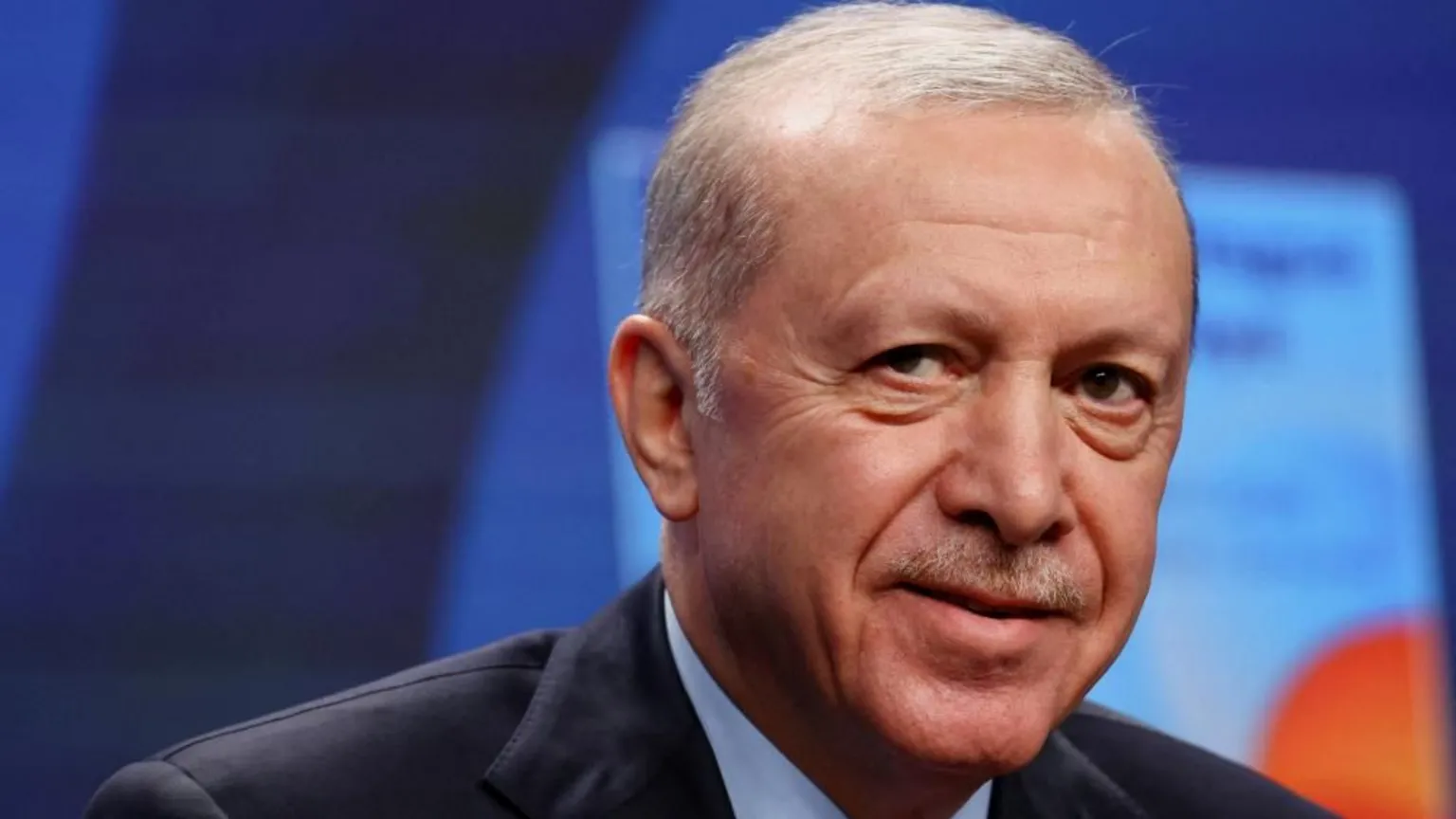
Meanwhile, Erdogan’s ruling party is pursuing constitutional amendments, potentially enabling him to seek another presidential term when his current one ends in 2028. Although the AKP and the pro-Kurdish Dem party deny any connections between the peace initiative and constitutional changes, gaining Dem support could bolster Erdogan’s efforts for reforms. Erdogan faces low poll numbers while Istanbul’s mayor, Ekrem Imamoglu, a primary opposition figure, is detained on contested corruption charges. The recent arrests of other opposition mayors further highlight the government’s intensified clampdown.
The prominent operation followed the imprisonment of Mayor Imamoglu and 189 individuals, including students and journalists, who were tried after demonstrative protests last month.