A senior Israeli official has suggested that Iran might have the capability to access enriched uranium stored beneath one of the facilities targeted by US operations last month. The official mentioned to American journalists that although accessing the uranium at Isfahan would be highly challenging, such endeavors would provoke further Israeli strikes. US President Donald Trump has consistently asserted that the June strikes, involving air and missile attacks, effectively eliminated Iran’s nuclear capabilities. However, some American intelligence bodies have adopted a more reserved stance.
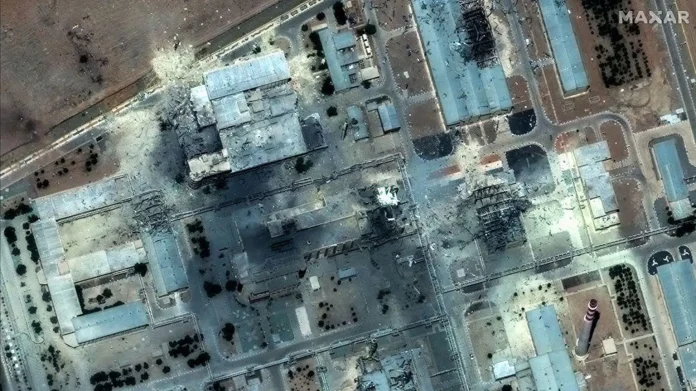
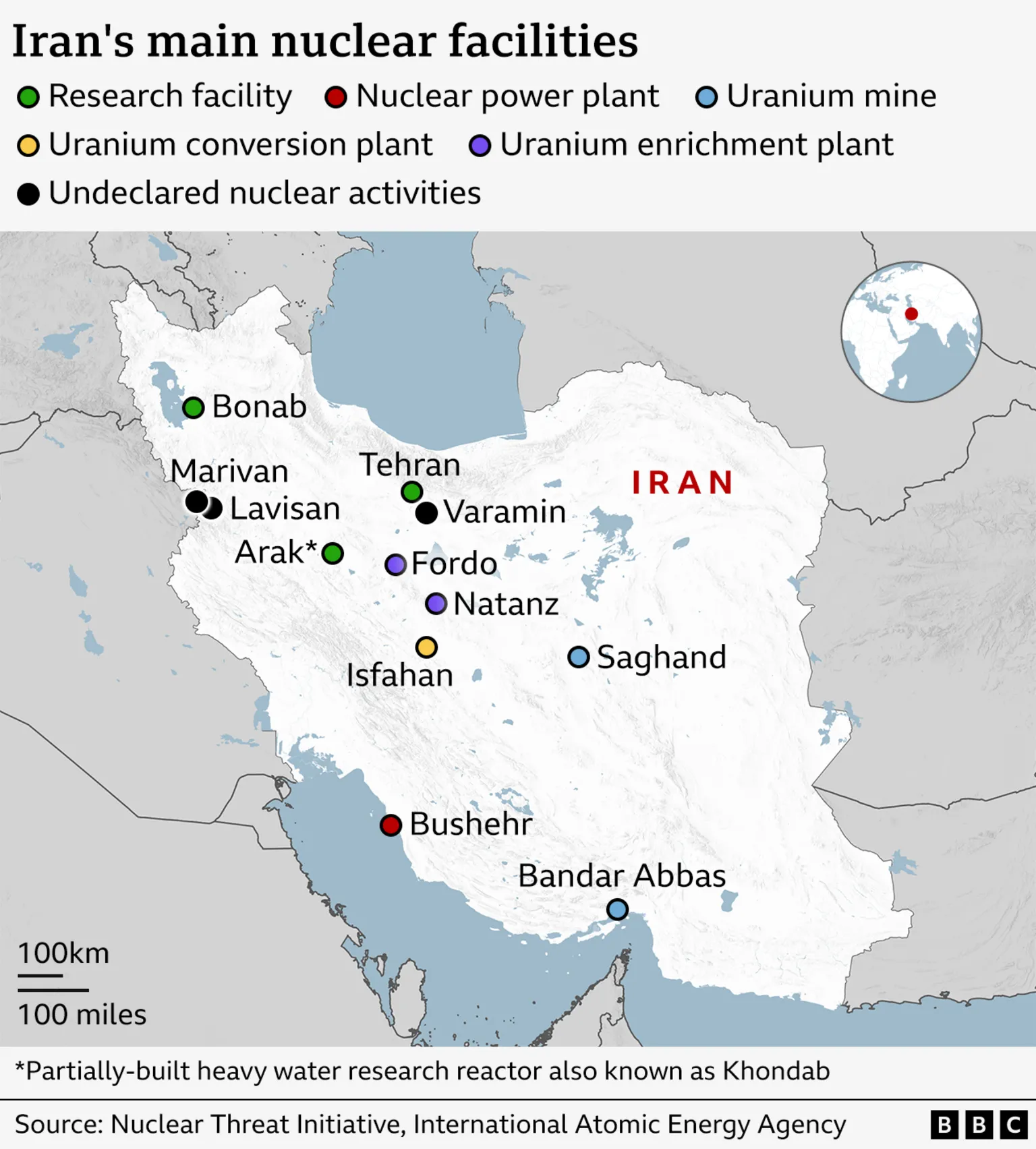
Iran maintains that its uranium enrichment serves peaceful objectives and denies pursuing nuclear weapons. During a briefing in Washington, where the official requested anonymity, it was revealed that intelligence suggested that a significant portion of Iran’s enriched uranium was hidden at Isfahan, where submarine-launched cruise missiles were employed in “Operation Midnight Hammer” on June 22. Despite this, the official downplayed concerns, stating any Iranian attempt to reclaim the material would likely be noticed. Israel assesses that Iran’s nuclear development has been delayed by two years.
Trump’s administration insists that Iran’s nuclear sites were completely demolished. “As frequently noted by President Trump, Operation Midnight Hammer annihilated Iran’s nuclear sites,” remarked White House spokeswoman Anna Kelly in a statement to the BBC. “His decisive leadership has made the world a safer place.” The assessments from US intelligence are more measured. A preliminary report from the Defense Intelligence Agency, leaked to the public, reported that although the sites at Fordo, Natanz, and Isfahan suffered significant damage, they were not entirely obliterated. CIA Director John Ratcliffe communicated to US legislators in late June that the destruction of Iran’s sole metallic uranium production site hindered Iran’s potential for developing nuclear arms. Rafael Grossi, head of the International Atomic Energy Agency, stated to CBS that although the Iranian sites were “largely destroyed,” some parts remain intact. “In reality, one cannot say that everything has vanished, and there is nothing remaining,” Grossi remarked.
In a conversation with conservative commentator Tucker Carlson published earlier this week, Iranian President Mahmoud Pezeshkian stated that the facilities had been “severely damaged” and that they currently could not access them for a full evaluation. Mohammadi received the 2023 Nobel Peace Prize for efforts including combatting women’s oppression in Iran. Political analysts describe a tactic used by leaders like Nixon to convince adversaries they are capable of anything to gain concessions. But is it viable long term?
State TV showed Ayatollah Ali Khamenei receiving cheers at a mosque before a Shia religious festival. The former Israeli intelligence deputy chief described how advancements in technology and innovation were crucial during Israel’s recent 12-day confrontation. Repatriations increased after Tehran imposed a firm July 6 deadline for undocumented Afghans to exit. BBC 2025.
The BBC is not liable for content on external websites. Learn about our policy on external links.