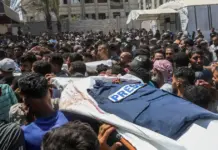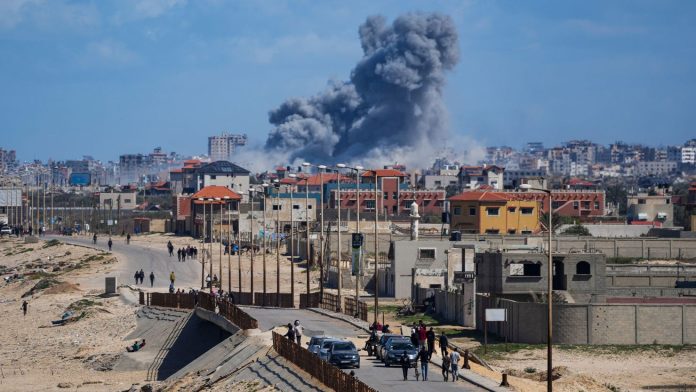
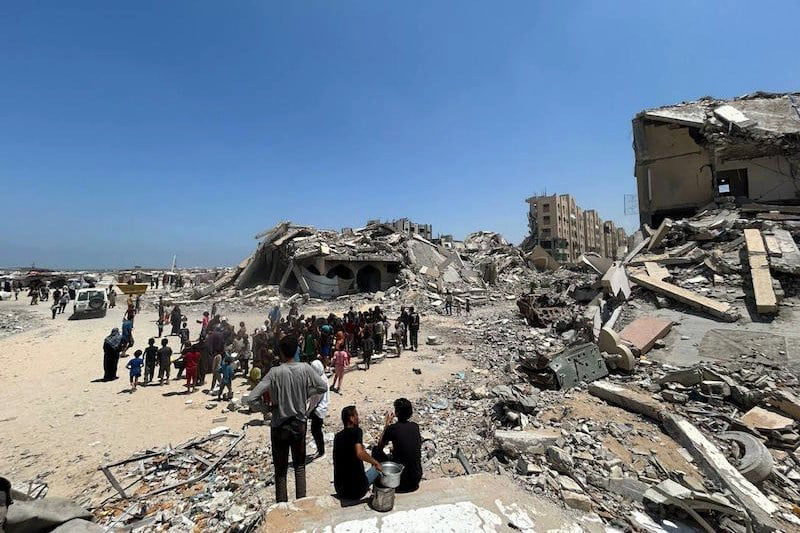
The office of Israeli Prime Minister Benjamin Netanyahu announced a team would be sent to Qatar to negotiate a ceasefire, while Israeli military operations in Gaza have resulted in at least 78 deaths in the last day. During these developments, Netanyahu’s office remarked that amendments proposed by Hamas to the ceasefire terms were unacceptable, though no specifics were disclosed. Despite a positive response from Hamas on a truce proposal mediated by the U.S. initially stirring hopes for cessation, the situation in Gaza remains dire. Since the conflict intensified in October 2023, over 57,338 Palestinians have lost their lives, and the humanitarian situation continues to deteriorate, with Gaza on the verge of a humanitarian disaster.
Hamas has insisted on a full cessation of hostilities as part of any truce. They are ready to discuss terms involving a possible ceasefire and have specified three major amendments. They seek continuity in negotiations after a proposed 60-day truce, insist on humanitarian aid being funneled through United Nations channels instead of the current arrangements, and have concerns over the positioning of Israeli forces in Gaza. Meanwhile, protests erupted within Israel as families of hostages held in Gaza pressed for a negotiated resolution.
There remain around 50 captives in Gaza from the October 7 attacks, with Israeli officials estimating 27 have died. Israeli Prime Minister Netanyahu faces pressure both internally and externally, while grappling with corruption charges. In parallel, key political figures within Israel, like national security minister Itamar Ben-Gvir, have opposed any deal suggesting territorial concessions or prisoner exchanges, framing such moves as concessions to terrorism. Omer Bartov, a scholar, commented that Netanyahu appears unwilling to conclude the conflict, partly due to the potential political repercussions should the fighting end.
Netanyahu’s current strategies seem aimed at maintaining government stability while managing the sensitive dynamics with Hamas. The ongoing Israeli military operations have included attacks on civilian sites in Gaza, exacerbating the humanitarian plight. Survivors of these strikes report extreme hardship, with continuous airstrikes claiming more civilian lives, including at aid distribution points. The World Food Programme voiced concerns over the severe conditions, stressing the urgent need for a ceasefire to enable humanitarian relief.
They reiterated the potential for significant aid delivery if hostilities were paused and access was secured.