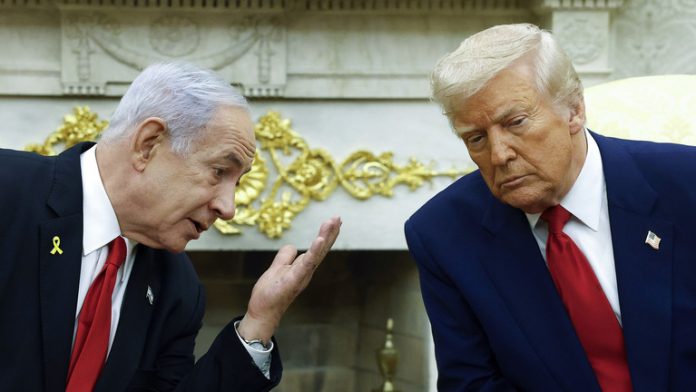
In the aftermath of a tense 12-day conflict with Iran, Israeli Prime Minister Benjamin Netanyahu is heading back to Washington for what might be his most critical visit to date under the renewed Trump administration. The trip aims to transform Israel’s recent military efforts into strategic advantages while strengthening ties with its key ally, the United States. Netanyahu’s agenda reportedly includes discussions on defense collaboration, intelligence initiatives, and a potential new trade agreement. However, the most pressing concern is ensuring American support for Israel’s regional security goals.
One contentious topic is the future of the Golan Heights, with Israel engaging in discreet talks with Syria’s newly positioned leadership, led by Abu Mohammad al-Julani, to potentially recognize Israel’s control in return for regional stability measures. Nevertheless, Netanyahu appears resistant to making significant concessions, leaving the success of these negotiations uncertain. Meanwhile, the outcome of Israel’s recent conflict has been mixed. Though it inflicted damage on Iran’s infrastructure, it failed to weaken Iran’s regime, which has instead rallied domestic support.
The Israeli public remains critical, with challenges at home stemming from the unresolved plight of hostages still held by Hamas. Amidst these issues, internal and external pressures are mounting, including calls from US officials for Israel to prioritize the hostages’ return. In response to rising demands for a swift resolution, Netanyahu’s rhetoric has subtly shifted from talking about “total victory” to emphasizing “humanitarian obligations” and “pragmatic solutions.” This change suggests a potential pivot toward a temporary truce. While the Israeli military favors negotiating a phased prisoner exchange with Hamas for a more feasible long-term solution, the decision remains fraught with complexity.
Despite advocating for de-escalation, the US has signed off on a $510 million defense deal with Israel, signaling a mixed message. The core of current diplomatic efforts revolves around how to achieve a ceasefire. Hamas has offered a cessation of hostilities if Israel withdraws troops, a proposal Israel has declined without securing the return of its citizens. The Trump administration is eager for a diplomatic win in the Middle East that could serve both domestic and foreign policy goals.
Meanwhile, Netanyahu must balance political survival with strategic endeavors, navigating a landscape where concessions might alienate his hardline supporters. The path forward involves both nations negotiating amidst a landscape of pressure and expectations, potentially leading to a redefined partnership and approach to shared regional issues. For Trump, the stakes lie in demonstrating effective leadership, while Netanyahu focuses on maintaining his political strength amid ongoing challenges.