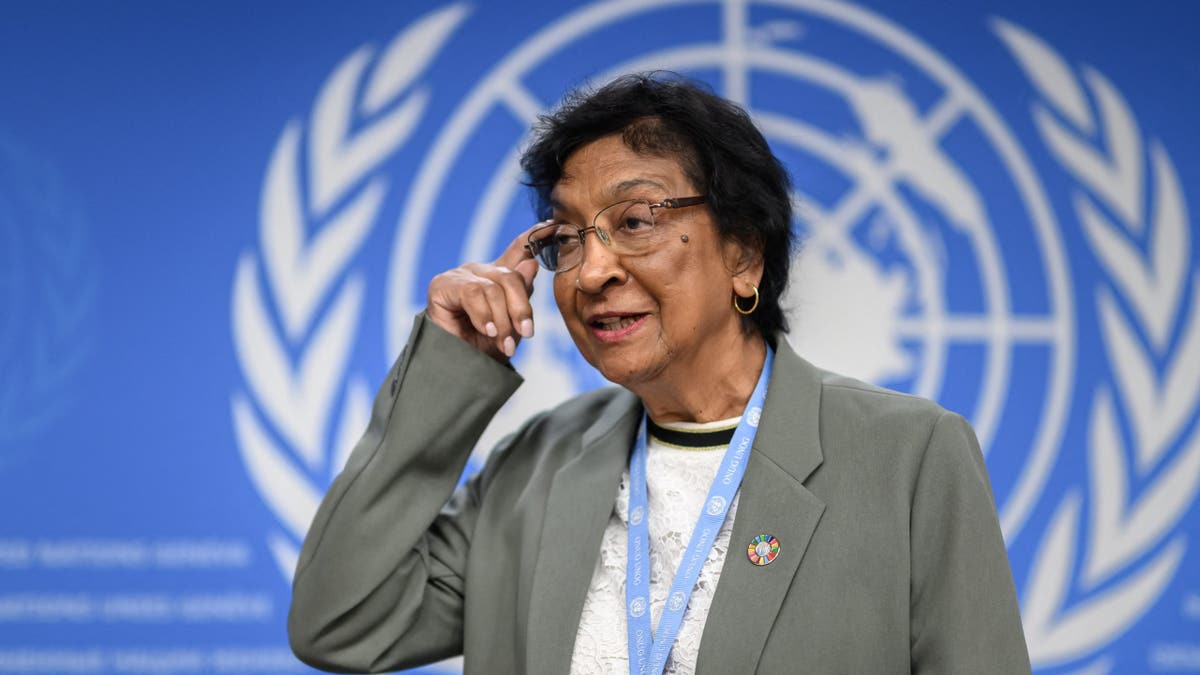
The United Nations has come under fire for allocating funds to a controversial commission alleged to have anti-Israel intentions, even as the organization faces a severe budget shortfall. Critics highlight that the new positions funded under the Commission of Inquiry on the Palestinian Territories are worth up to $750,000, sparking outrage during a period of financial austerity. Anne Bayefsky, leader of the Touro Institute on Human Rights and the Holocaust, expressed concern over the funds being directed toward spreading antisemitic sentiments. Under the leadership of Navi Pillay, the commission in Geneva announced the hiring of new senior roles, provoking widespread criticism for perceived bias against Israel.
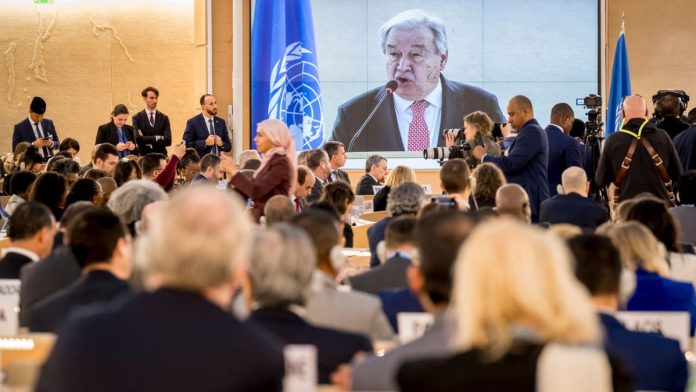
UN Secretary-General António Guterres spoke at the 58th United Nations Human Rights Council session, emphasizing the financial challenges the UN is facing. The newly appointed roles, ranging from human rights officer to interpreter, have combined salaries that could reach $704,000, excluding other benefits like housing or relocation expenses, according to information provided by diplomatic sources. Bayefsky questioned the UN’s priorities, suggesting the seemingly unrestricted funding for the commission contrasts sharply with the budget cuts affecting other urgent matters. She accused the commission of fostering antisemitism through unfounded allegations against Israel, echoing past criticisms of Pillay, who previously faced accusations of disproportionately targeting Israel while overlooking abuses in other nations.
Concerns were echoed by members of the U.S. government, with bipartisan calls for curbing financial support to the commission due to its perceived bias. As the UN grapples with its financing issues, statements from U.S. officials highlight ongoing reviews about funding international bodies, reflecting unease with how funds are currently allocated. In light of the financial constraints impacting the UN, High Commissioner Volker Türk outlined the projects delayed due to resource shortages. Despite this, the commission continues to expand.

Critics argue for drastic measures, such as withholding the entire UN budget or denying entry visas to commission members, to counter its anti-Israel actions. Amid the broader conversation on UN funding and its efficacy, discussions within the U.S. government proceed regarding potential adjustments to contributions to the UN. Republicans have pointed toward a need for reform within the organization, especially given discrepancies in action and reported expenditure.