Israel has accepted an invitation to participate in indirect negotiations with Hamas in Qatar, scheduled for Sunday. These talks aim to discuss a new proposal for a ceasefire and the release of hostages in Gaza. Israeli Prime Minister Benjamin Netanyahu announced the decision to proceed, even though he criticized what he called the “unacceptable” modifications Hamas requested to the original plan, which was developed by mediators from Qatar, the US, and Egypt. On Friday, Hamas indicated a positive reaction to the proposed 60-day ceasefire and expressed readiness to start negotiations.
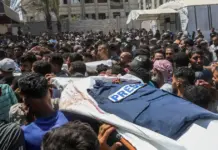
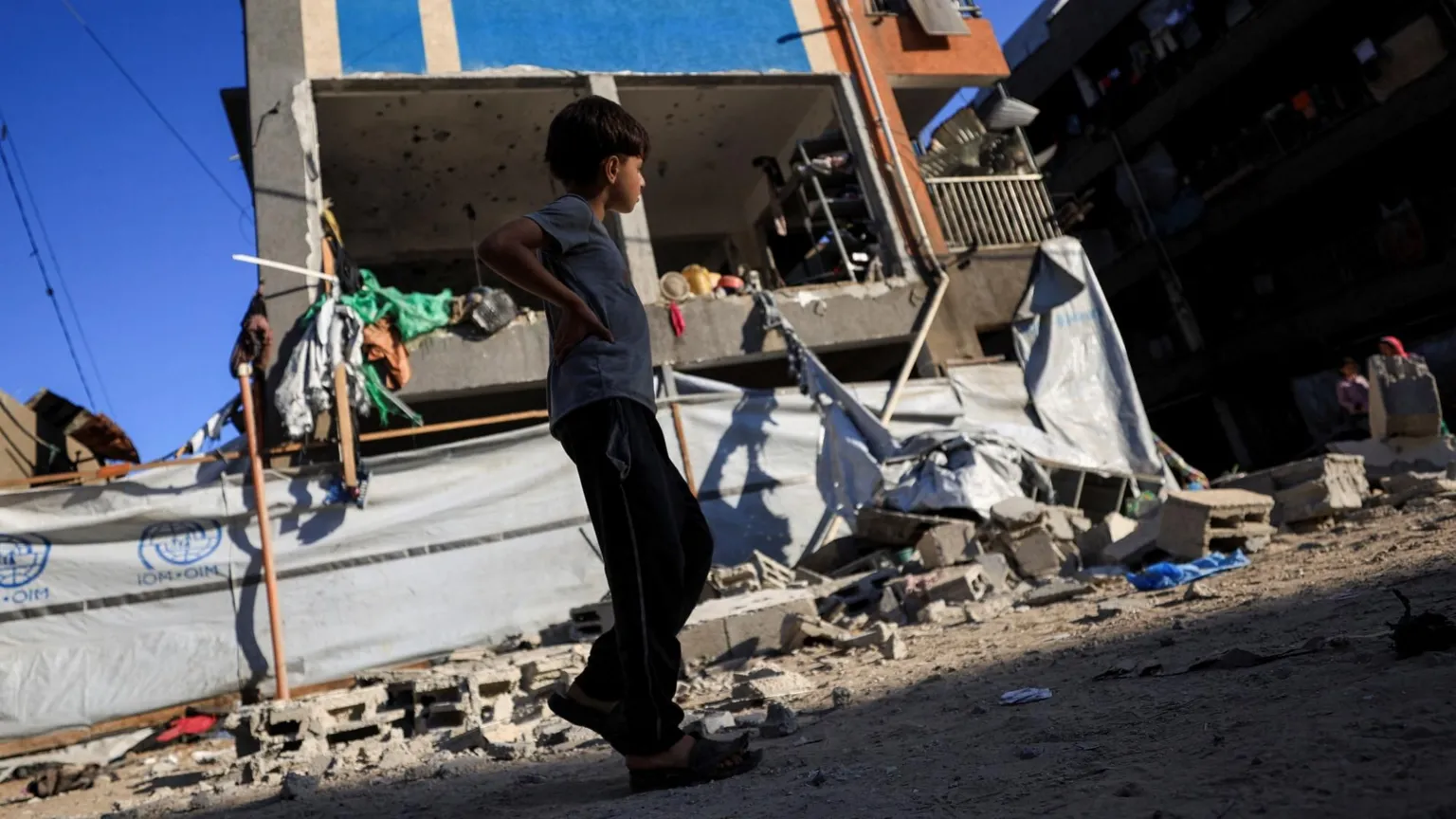
However, a Palestinian informant noted that Hamas desires amendments, including assurances that hostilities will not restart if a permanent peace deal fails. According to the Hamas-run Civil Defence in Gaza, Israeli bombings killed at least 35 Palestinians on Saturday. Up to seven individuals, among them a doctor and his three children, perished when an area in al-Mawasi was targeted, as reported by a hospital in Khan Younis. Additionally, two American staff members of a controversial aid organization supported by Israel and the US, the Gaza Humanitarian Foundation (GHF), sustained injuries from what was claimed to be a grenade assault near Khan Younis.
Both the Israeli and US authorities held Hamas accountable, though Hamas has not issued a comment. Late Saturday, the Israeli Prime Minister’s Office reiterated that Hamas’ proposed amendments to the ceasefire plan were “unacceptable.” Despite this, Netanyahu directed the Israeli delegation to proceed with the talks, aiming to secure the return of hostages based on the existing Qatari proposal that Israel had previously agreed to. An Israeli insider suggested that there was some potential for progress based on Hamas’ reply. Mediators will likely face challenges bridging remaining differences during the indirect discussions in Doha.
The developments are closely monitored by US President Donald Trump, who has recently expressed optimism about reaching a deal. Before being briefed about Hamas’ response, Trump remarked positively about the group’s attitude and suggested a possible agreement could emerge soon. Trump plans to meet Netanyahu on Monday, hoping to declare a significant diplomatic breakthrough at that time. The families of Israeli hostages and residents of Gaza find themselves in a tense wait.
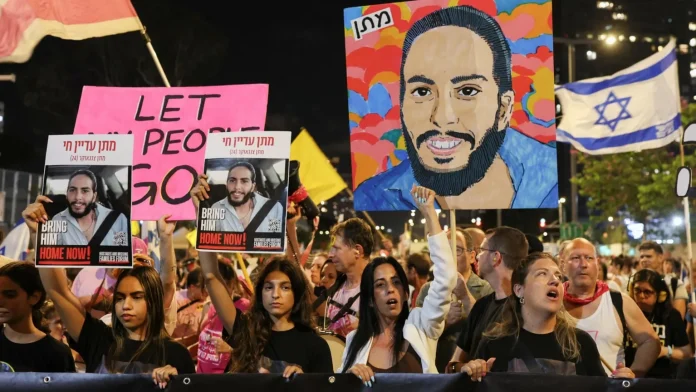
A rally in Tel Aviv on Saturday night saw relatives of hostages and thousands of supporters advocating for a decisive agreement that would see the return of all hostages. Among the speakers was Yechiel Yehoud, whose daughter Arbel Yehoud was freed during the last ceasefire, which Trump helped negotiate before assuming office; that ceasefire crumbled when Israel renewed its offensive in March. “Mr. Trump, we will remain grateful to you forever for bringing Arbel back. We urge you to continue towards a ‘big, beautiful hostages deal,'” said Yehoud.
On Tuesday, Trump announced that Israel accepted the preliminary conditions for a two-month ceasefire aimed at terminating the conflict. The plan reportedly includes the phased release of ten Israeli hostages still alive and returning the bodies of 18 others in exchange for Palestinian detainees in Israeli prisons. Fifty hostages remain in Gaza, with over 20 thought to be alive. The proposal also suggests that substantial aid will flow into Gaza immediately, coordinated by the UN and the International Committee of the Red Cross.
A senior Palestinian source stated that Hamas demanded the aid be managed solely by the UN and its affiliates, and that GHF operations cease forthwith. Another request from Hamas was about the Israeli military withdrawal, according to the source. The US plan reportedly calls for staggered Israeli troop exits from parts of Gaza, but Hamas wants the troops to revert to their pre-offensive positions from March. The group also seeks a US assurance that Israeli military actions won’t resume even if the ceasefire lapses without a lasting truce.
The plan is believed to promise that negotiations will earnestly begin from the outset, with the option to prolong the ceasefire if needed. Netanyahu remains firm against ending the war without a full hostage release and the dismantling of Hamas’ military and administrative capacities. Members of his government with far-right stances have openly opposed the proposed compromise. National Security Minister Itamar Ben-Gvir stated on Saturday that the complete capture of Gaza, an end to so-called “humanitarian” aid, and promoting emigration should be pursued to ensure hostages’ return.
The Israeli military’s campaign followed the attack on October 7, 2023, which killed approximately 1,200 individuals and led to 251 hostages being taken. Since then, Gaza’s health authorities, managed by Hamas, report at least 57,338 deaths in the region. “Antisemitism has no place in Australia,” proclaimed Australian Prime Minister Anthony Albanese, reacting to recent incidents tied to the ongoing Middle East conflict. State TV featured Ayatollah Ali Khamenei receiving applause at a mosque as a Shia festival neared. This marks just one of many conflict-related incidents, noted the Charity Commission.
A former deputy chief of Israeli intelligence credits technology and innovation as pivotal in Israel’s approach during the 12-day conflict. Meanwhile, discussions appear ready to commence promptly, with Donald Trump suggesting an agreement might materialize soon.