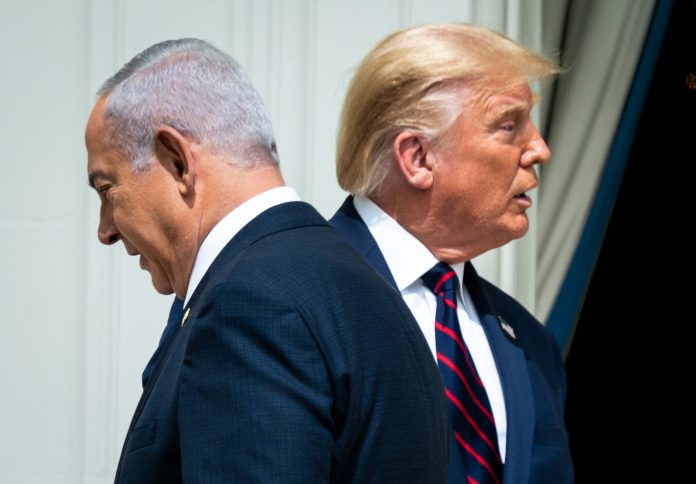
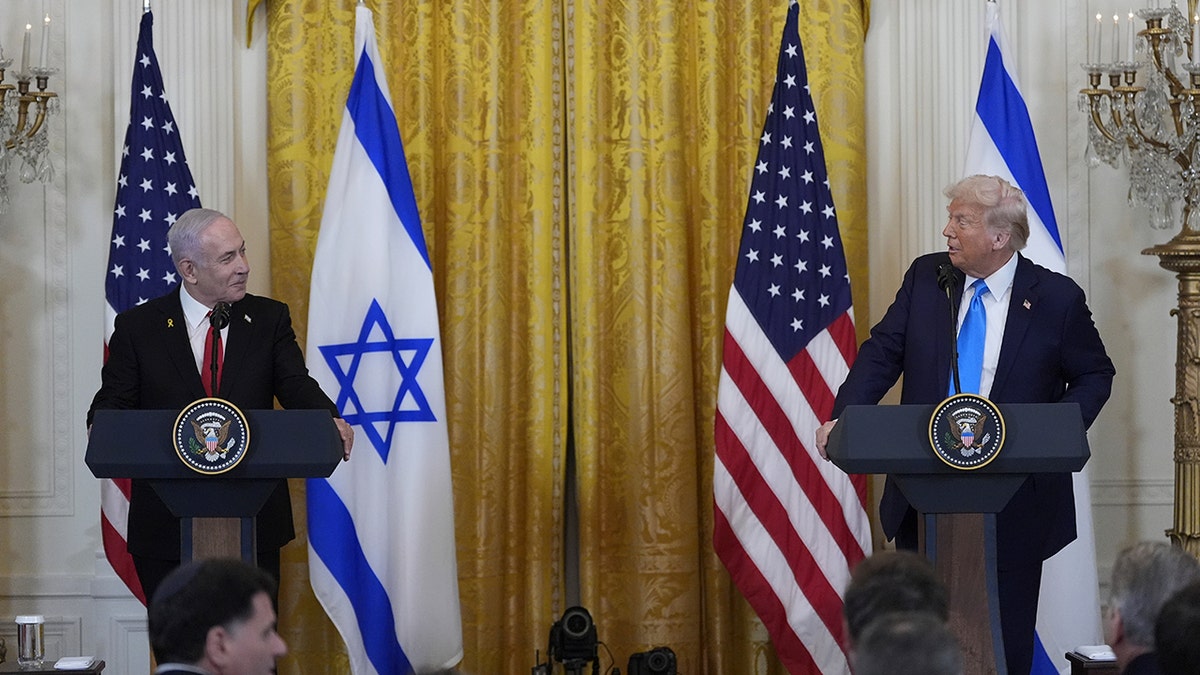
On Monday, Israeli Prime Minister Benjamin Netanyahu will meet U.S. President Donald Trump in the United States, where they are expected to celebrate perceived gains against Iran and discuss a potential ceasefire plan for the ongoing conflict in Gaza. This visit marks Netanyahu’s third meeting with Trump this year. Trump has previously declared that Israel and the U.S. have dismantled Iran’s nuclear capabilities after a brief conflict, and he has threatened future strikes if Iran resumes its nuclear activities.
He also announced that Israel agreed to a 60-day ceasefire in Gaza to negotiate an end to the 21-month-long conflict. Recently, Hamas provided a favorable response to a ceasefire proposal mediated by Qatar and Egypt. Following that, Trump suggested a deal could be forthcoming next week and vowed to press Netanyahu to finalize the ceasefire. However, Israel has since stated that Hamas requested changes to the proposal, deemed unacceptable by Israel, while a delegation of Israeli negotiators plans to visit Qatar for further discussions.
Details from a leaked document indicate that the potential ceasefire includes a temporary halt in fighting and a phased release of Israeli captives held in Gaza. The protracted conflict has resulted in a devastating death toll, with United Nations experts and human rights organizations condemning the actions as genocidal. Many experts remain skeptical about the prospect of a long-term resolution. Omar Rahman of the Middle East Council for Global Affairs questioned the framing of current negotiations, doubting the intention to end the suffering in Gaza.
Trump’s history with the conflict is marked by previous promises for resolution that were followed by continued violence, casting doubt on the sustainability of any new ceasefire. Mairav Zonszein from the International Crisis Group expressed uncertainty about the durability and success of a potential agreement, pointing to past unilateral actions by Israel that reignited violence. The people in Gaza are divided on the ceasefire’s potential outcome, with some doubting Netanyahu’s commitment to any deal. Netanyahu has yet to clearly define what he considers a “total victory” over Hamas.
There’s speculation that Trump seeks to score diplomatic points by claiming achievements in international affairs, including a resolution to the Gaza situation and further normalization deals between Israel and Arab states. Netanyahu’s political future could play a role in these negotiations, with potential elections adding complexity to his decision-making. Analysts like Hugh Lovatt from the European Council on Foreign Relations suggest Netanyahu might either leverage a ceasefire to bolster his popularity ahead of elections or revert to conflict to maintain his coalition’s unity. Furthermore, Netanyahu’s legal troubles, including charges of fraud and bribery, add another layer of intricacy to his actions.
Trump’s interest in these issues, evidenced by comments on social media, hints at attempts to influence Israeli politics, possibly through pressure on Netanyahu’s legal foes to secure a ceasefire deal. Regardless, the power to pardon Netanyahu rests with Israel’s President Isaac Herzog, who has shown no sign of intending to do so simply for the sake of a ceasefire. Some legal experts believe such a pardon might only be considered if Netanyahu exits politics altogether—a concession he appears unwilling to make at this time.