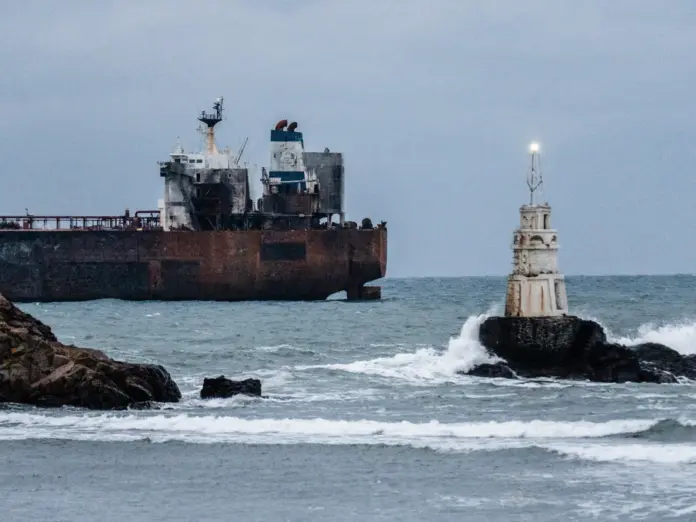
Russia Shadow Fleet — Royal Marine Commandos and National Crime Agency officials boarded and seized the Smyrtos in the English Channel on Sunday, executing a six-hour operation against a vessel suspected of operating as part of Russia’s sprawling sanctions-evasion network. The Smyrtos, sailing under a Cameroon flag, was intercepted with the support of Chinook helicopters, additional aircraft, a Royal Navy frigate, and a minehunter.
Prime Minister Keir Starmer announced the seizure in a post on X, while Defence Secretary Dan Jarvis issued a formal statement confirming the operation. The vessel will be provisionally moved to an anchorage off England’s South Coast, where it will be monitored for any environmental or safety concerns.
The interdiction is the most high-profile British action yet in an intensifying multinational effort to dismantle what Western governments describe as a shadow fleet — hundreds of vessels believed to be transporting Russian oil in deliberate circumvention of sanctions imposed following Moscow’s full-scale invasion of Ukraine in February 2022. The UK Ministry of Defence has now imposed sanctions on more than 500 vessels as part of that campaign.
Recommended Reading
The Smyrtos seizure follows a series of similar operations by European partners. French forces impounded the Grinch, a suspected Russian tanker, in January. In March, the Deyna — which had sailed from Murmansk under a Mozambican flag — was detained in Marseille. Last month, the French navy, operating with British support, intercepted a separate oil tanker also suspected of shadow fleet activity.
The cumulative pressure appears to be having a measurable economic effect. Russia’s oil and gas revenues fell by 24 percent in 2025 compared with the previous year — a significant blow to a wartime economy that depends heavily on hydrocarbon exports to sustain its military campaign in Ukraine, now in its fourth year. Oil revenue remains central to Moscow’s ability to offset the enormous financial costs of the conflict.
Western governments have pledged to accelerate enforcement against the shadow fleet, viewing the disruption of Russian energy income as a critical lever of economic pressure. Several nations have enacted sanctions targeting Russian-linked vessels since the 2022 invasion, and coordinated interdictions in European waters signal a shift toward more active enforcement rather than purely financial measures.
Vladimir Putin has condemned the seizure of Russia-linked vessels by Western navies, characterising the operations as piracy. Moscow has consistently rejected the legitimacy of the sanctions regime underpinning the interdictions.
Russia Shadow Fleet: The Energy Security Dimension
The Smyrtos operation underscores the growing role of military assets in sanctions enforcement — a domain traditionally handled through financial and diplomatic channels. The deployment of Royal Marine Commandos alongside law enforcement officials from the National Crime Agency reflects a hybrid approach that blends hard military capability with legal authority, designed to withstand international scrutiny while maximising operational impact.
With the war in Ukraine showing no signs of imminent resolution after more than four years of fighting, Western governments are under pressure to demonstrate that their economic measures carry real consequences. The string of shadow fleet seizures across the English Channel and Mediterranean represents one of the most tangible expressions of that commitment to date.