Us-Iran Deal — Iran’s Foreign Minister Seyed Abbas Araghchi declared on state television that a deal with the United States to end weeks of direct military confrontation is within reach, outlining a framework that would reopen the Strait of Hormuz and lift a US naval blockade on Iranian shipping. The announcement came as President Donald Trump simultaneously claimed on his Truth Social platform that a landmark settlement had been reached — only for Iranian officials to push back sharply, insisting nothing has been finalised.
The conflict traces its origins to 28 February, when US and Israeli forces launched coordinated strikes across Iran. Tehran responded with attacks on Israel and US-allied Gulf states and moved to effectively close the Strait of Hormuz, the narrow waterway through which approximately 20 percent of the world’s oil and liquefied natural gas normally flows. Iran has since demanded a transit fee from vessels seeking passage — a condition Washington flatly rejects, insisting the strait must remain free to all shipping.
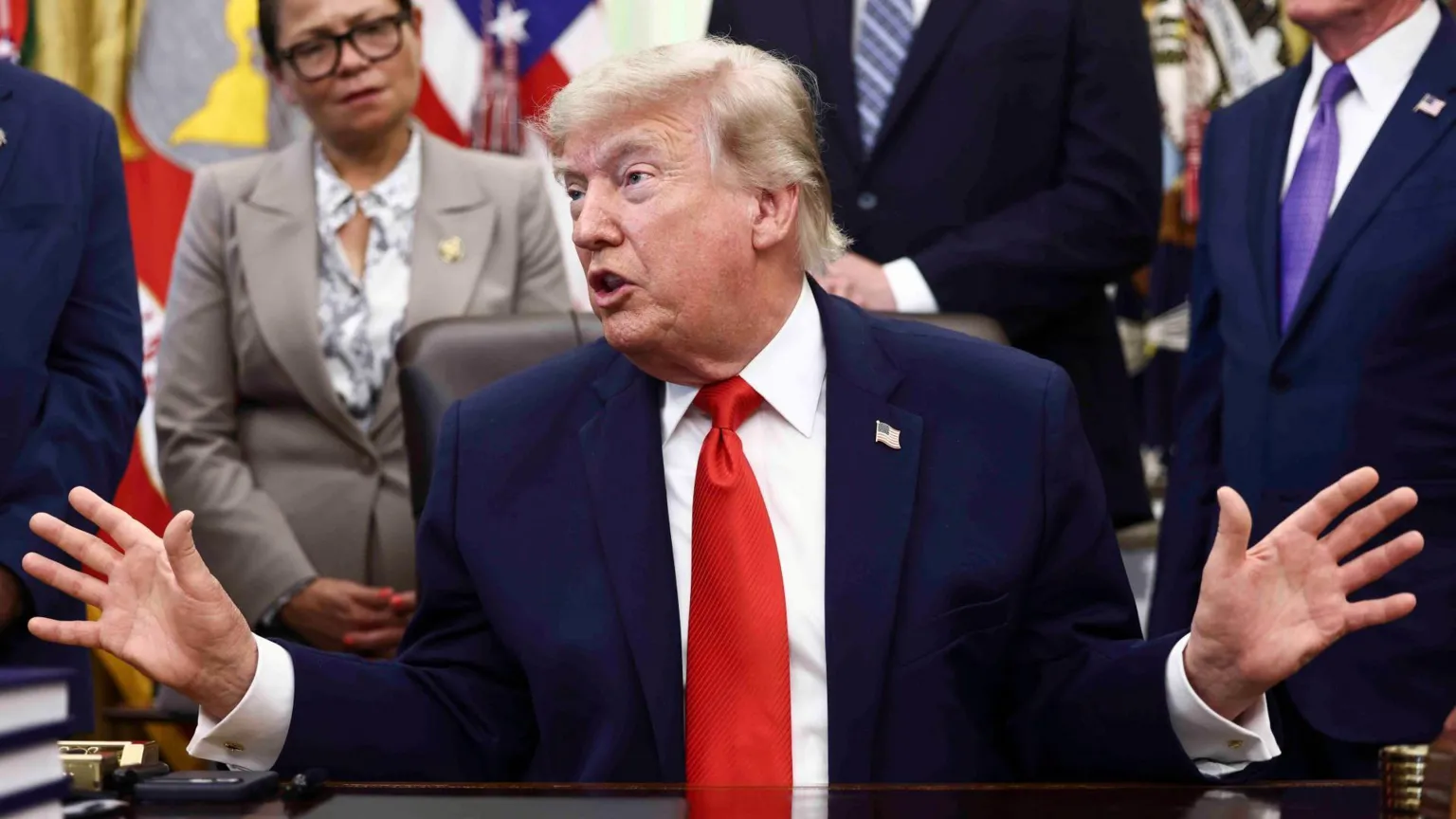
A ceasefire was brokered in April, with Vice President JD Vance overseeing face-to-face negotiations in Islamabad. That agreement proved fragile. In the week preceding the latest diplomatic flurry, the two sides exchanged two rounds of tit-for-tat strikes before Trump announced on Thursday evening that he had cancelled planned attacks against Iran, citing progress at the negotiating table. "Negotiators have just made a great settlement," Trump wrote, adding that discussions had been elevated to the highest levels of Iranian leadership and approved.
Recommended Reading
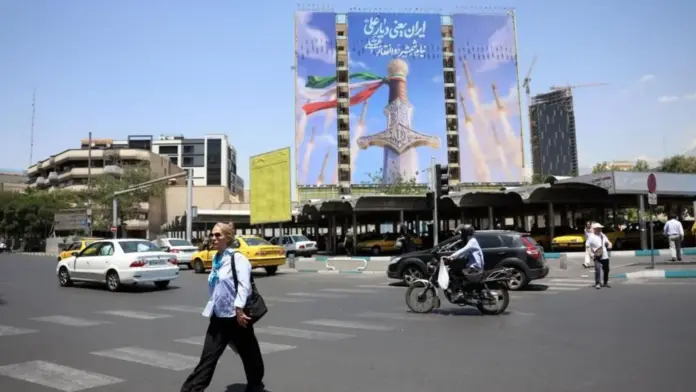
![People go about their daily lives as usual in Tehran, Iran on June 8, 2026, despite escalating tensions and reciprocal statements and attacks between Iran, Israel and the US [Fatemeh Bahrami/Anadolu Agency]](https://world-tension.s3.us-east-2.amazonaws.com/articles/1450/e3deb8d38c19494b9dbbe7d0a718e7c4.webp)
Trump claimed the agreement had the backing of a sweeping coalition including Israel, Saudi Arabia, the UAE, Qatar, Turkey, Pakistan, Bahrain, Kuwait, Jordan, and Egypt, and suggested a signing ceremony could take place somewhere in Europe as early as the coming weekend. Pakistani Prime Minister Shehbaz Sharif confirmed that a Memorandum of Understanding between Washington and Tehran had been agreed, with Pakistan and Qatar both credited with facilitating the mediation.
The proposed framework, as described by Araghchi, centres on Iran reopening the Strait of Hormuz in exchange for the immediate lifting of the US blockade on Iranian ports. A 60-day negotiation period would then follow, focused on Iran’s stockpile of enriched uranium — which stands at 440 kilograms of 60-percent-enriched material, accumulated since the US withdrew from the JCPOA in 2018. The deal calls for all enriched uranium to be destroyed on site and removed from the country, and demands that Iran cease funding proxy groups across the region, including Hezbollah.
Iran’s Mehr news agency published what it described as a 14-point memorandum of understanding draft on Friday. Trump dismissed the published document entirely, stating it bore no relation to the agreed terms. The contradiction underscored the fragility of the moment. Iran’s foreign ministry spokesperson Esmaeil Baghaei said Washington’s statements about the agreement amounted to speculation, adding that Tehran had not reached a final conclusion.
The Lebanese dimension adds further complexity. Araghchi indicated the MOU envisions an end to the conflict between Israel and Hezbollah, which entered the war in early March in retaliation for the strikes on Iran. Israel has since occupied nearly one-fifth of Lebanese territory. Israeli Prime Minister Benjamin Netanyahu warned that his country would strike Hezbollah if attacks on northern Israel continued, while his office outlined Israeli expectations for any final agreement — including the removal of enriched material, dismantling of enrichment infrastructure, limits on missile production, and a full cessation of Iranian support for armed proxy groups. Notably, Israel is not a party to the US-Iran talks themselves.
Us-Iran Deal: Regional Implications
![Members of a military engineering team stand beside an Iranian missile, according to local authorities, that fell in the countryside near Damascus, Syria, on June 9, 2026 [Khalil Ashawi/Reuters]](https://world-tension.s3.us-east-2.amazonaws.com/articles/1450/681ba5918cc44fc99dd76651520bf9da.webp)
US officials were careful to frame any economic benefits for Iran as contingent on performance. The MOU, they stressed, is built on demonstrated compliance rather than promises. Iran, for its part, is pushing for a permanent and immediate cessation of hostilities on all fronts, the lifting of all sanctions on oil sales, and the release of all frozen Iranian assets.
Trump has claimed nearly 40 times since late February that a deal with Iran was imminent, and direct talks collapsed once already in Islamabad in April. He also threatened at one point to seize control of Iran’s Kharg Island oil facility, which processes 90 percent of the country’s crude exports. Whether the latest round of diplomacy produces a durable agreement — or dissolves once again into mutual recrimination — remains to be seen. The gap between Washington’s triumphant declarations and Tehran’s cautious denials suggests the hardest negotiations may still lie ahead.