Washington / Tehran — A dramatic and contradictory sequence of announcements has thrown the prospect of an Iran ceasefire into confusion, with Donald Trump claiming a landmark deal had been approved by more than a dozen nations while Tehran insisted no final agreement exists.
Iran Ceasefire Deal — Trump posted on Truth Social on Thursday that discussions with Iran had been elevated to the highest levels of Iranian leadership and received approval. He stated that planned US strikes and bombings against Iran, scheduled for Thursday evening, had been cancelled. The deal, he said, had been approved by the United States, Israel, Saudi Arabia, the UAE, Qatar, Turkey, Pakistan, Bahrain, Kuwait, Jordan, Egypt, and others — a sweeping list of regional powers. A formal signing ceremony, he added, could take place somewhere in Europe over the coming weekend.
The announcement was met with immediate scepticism from Tehran. Esmaeil Baghaei, Iran’s foreign ministry spokesperson, said Washington’s statements amounted to speculation and that Iran had not reached a final conclusion on any agreement. He accused the US of repeatedly shifting its positions during the negotiating process.
Recommended Reading
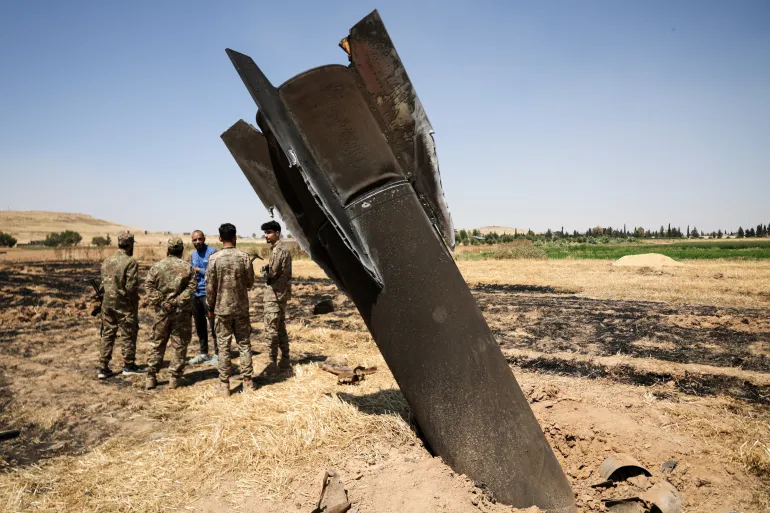
The gap between the two sides’ accounts widened further on Friday. Iranian state news agency IRNA published what it described as seven main points of a preliminary ceasefire framework. According to that account, no new agreements had been reached on Iran’s nuclear programme, and new nuclear negotiations would only begin 60 days after the signing of a Memorandum of Understanding. Critically, IRNA reported that Iran had made no agreement to relinquish control of the Strait of Hormuz — only a preliminary understanding on normalising passage and maritime security.
Trump responded by labelling the published terms "fake news," insisting they had "NOTHING to do with the terms that were agreed to, in writing." He described those involved in the negotiations as "very dishonorable people" with whom there is "no such thing as dealing in good faith."
The conflicting narratives reflect the profound complexity of a conflict that has reshaped the Middle East since the US and Israel launched coordinated military action against Iran on February 28. Direct talks between Washington and Tehran collapsed in Islamabad in April, after Vice President JD Vance oversaw face-to-face negotiations there when a preliminary ceasefire was first brokered. Since then, the two sides have exchanged proposals and counterproposals through Pakistani mediators.
Iran submitted a 14-point memorandum of understanding draft that calls for a permanent and immediate cessation of hostilities on all fronts, including Lebanon, the lifting of all sanctions on Iranian oil sales, the release of all frozen Iranian assets, and a 60-day negotiation period to address nuclear and other deeper issues. Discussions about Iran’s missile programme and its support for regional allies have been removed from the agenda for any initial agreement.
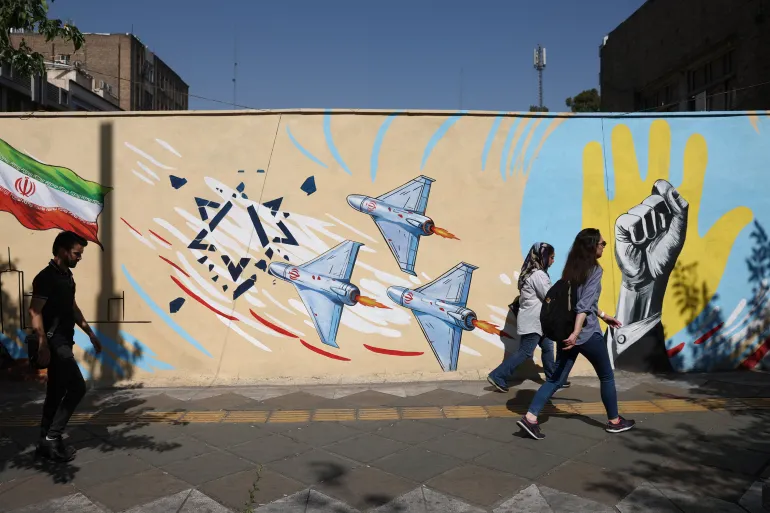
The nuclear dimension remains a central fault line. Trump stated the deal would ensure Iran develops no nuclear weapons — neither building nor purchasing them. Iran has accumulated a stockpile of 440 kilograms of 60 percent-enriched uranium since the US withdrew from the JCPOA in 2018. Netanyahu’s office stated that Israel is not a party to the deal but insisted any final agreement must include the removal of enriched material and the dismantling of Iran’s enrichment infrastructure — a position Tehran has not accepted.
The Strait of Hormuz sits at the heart of the economic stakes. Iran closed the waterway shortly after the war began; it is the sole maritime route to the open ocean for Gulf oil producers and carries roughly 20 percent of the world’s oil and natural gas supplies during peacetime. The strait runs through the territorial waters of Iran and Oman. Trump said the US naval blockade on Iranian ports would be lifted immediately under a deal, and that the strait would be reopened to maritime traffic.
Iran Ceasefire Deal: Regional Implications
Trump also threatened to take control of Iran’s Kharg Island oil facility, which processes 90 percent of the country’s crude exports — a threat analysts interpreted as leverage rather than operational planning. Iran is already the most heavily sanctioned country in the world.
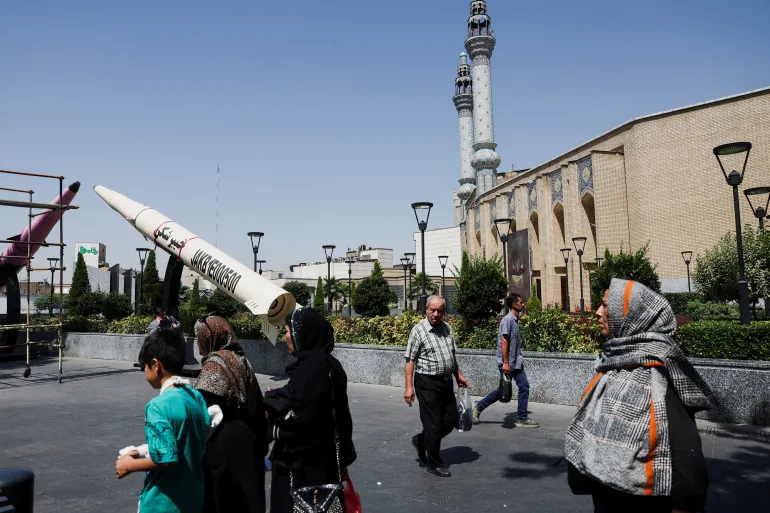
The Lebanon dimension further complicates any path to agreement. Israel has occupied nearly one-fifth of Lebanese territory since early March. Hezbollah entered the conflict in retaliation for strikes on Iran and launched missiles at Israel this week following Israeli bombardment of southern Lebanon. Iran has stated it will not contemplate any deal that does not include a full ceasefire in Lebanon. Israel, by contrast, insists on retaining the right to strike Hezbollah targets. A bilateral US-brokered ceasefire between Israel and Lebanon has failed to halt the bombing in southern Lebanon for even a single day.
Wolfgang Pusztai, a defence analyst and former Austrian military official, characterised Trump’s announcements as part of an information warfare strategy targeting three distinct audiences: his Republican political base, international stock and oil markets, and the Iranian government itself. The assessment carries weight given that Trump has claimed nearly 40 times since late February that a deal with Iran was imminent.
Qatar’s emir spoke with Trump and welcomed efforts to reach an agreement, offering one of the few unambiguous positive signals from the region. Whether that diplomatic goodwill translates into a signed document — and whether the two sides can reconcile their starkly different accounts of what has actually been agreed — remains deeply uncertain.