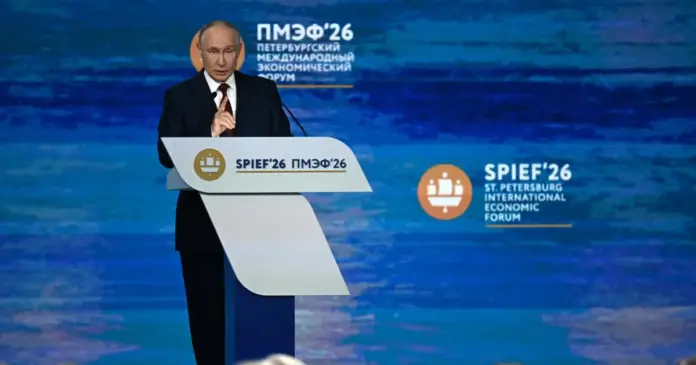
Putin Rejects Zelenskyy Meeting — Vladimir Putin has flatly rejected a personal appeal from Volodymyr Zelenskyy for direct negotiations, dismissing the Ukrainian leader’s open letter as insincere and laced with what he described as "rather rude remarks." The Russian president made his position clear at Russia’s flagship annual economic forum in St Petersburg on Friday, declaring he sees "no point for now" in sitting down with his Ukrainian counterpart.
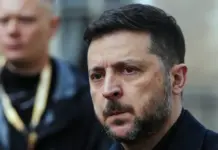
Zelenskyy had published the open letter on Thursday — one day before Putin’s public rebuff — calling for a face-to-face meeting and a ceasefire to halt a war now grinding through its fifth year. In the letter, Zelenskyy noted that Putin has held power for 26 years and acknowledged the shifting foreign policy priorities of the United States, which has redirected significant diplomatic attention toward the conflict with Iran. That same day, a Ukrainian strike hit St Petersburg.
Putin’s response was dismissive. He argued that any ceasefire would simply allow Ukraine to regroup and rearm, restating his longstanding position that peace talks must precede any halt in fighting — not the other way around. "Military actions will end once Russia has achieved its goals," he said, offering no timeline or definition of what those goals would require in practice.
Recommended Reading
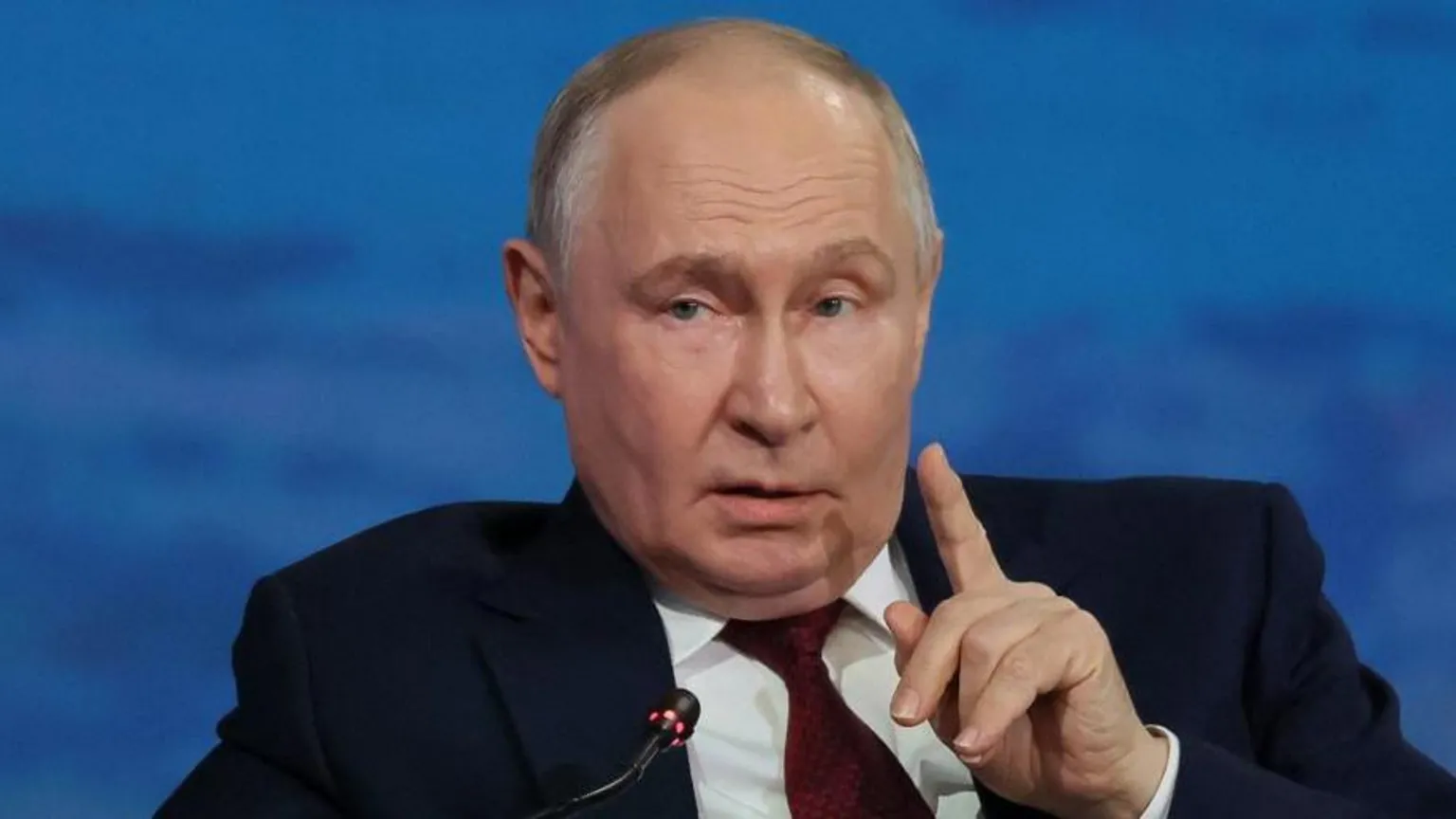
Zelenskyy responded swiftly in his nightly video address, posting his remarks on Telegram and accusing the Kremlin of a deliberate choice. Russia, he said, "was choosing war again."
The exchange underscores how thoroughly diplomatic efforts have stalled. Russia’s core demands — that Ukraine withdraw from the Donetsk, Luhansk, Kherson, and Zaporizhzhia regions and permanently abandon its bid to join NATO — remain categorically unacceptable to Kyiv, which has refused to cede any occupied territory. Russia annexed Crimea eight years before launching its full-scale invasion in 2022, and has since seized large swaths of eastern and southern Ukraine.
Putin did leave a narrow rhetorical door open, saying he would be willing to meet Zelenskyy in a third country — but only once a deal was ready to be signed. He had previously invited Zelenskyy to come to Moscow for talks, an offer Zelenskyy rejected. US President Donald Trump said it "would be great" if the two leaders met, though Washington’s capacity to broker an agreement appears constrained by its focus elsewhere.
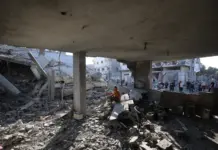
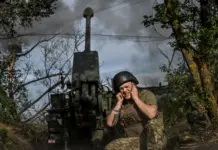
While the diplomatic standoff deepened, violence continued across the theatre of war. At least 13 people were killed and 70 injured in Russian attacks on Ukraine over the past 24 hours. Four people died when a dairy factory was struck outside Kyiv, and a drone attack on a petrol station in Kherson killed a 35-year-old woman.
Putin Rejects Zelenskyy Meeting: The Wider European Impact
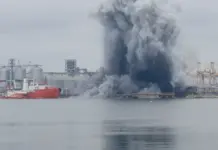
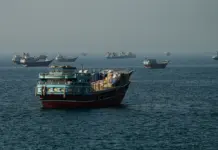
Ukraine also launched an offensive naval operation, striking five vessels it said were carrying illegal cargo in the Sea of Azov and coastal waters on Friday. Ukraine’s drone commander Robert Brovdi said the targeted ships were involved in stealing Ukrainian grain. Azerbaijan’s foreign ministry confirmed that five people were killed in attacks on two of the ships. Separately, a Ukrainian drone exploded in the Romanian Black Sea port of Constanta; Ukrainian operators attributed the incident to Russian electronic interference that knocked the drone off course.
The forum in St Petersburg also served as a platform for Putin to push back against assessments of Russia’s economic health. He insisted the country was building a "sovereign" economy capable of withstanding Western pressure, rejecting characterisations of financial collapse. The data, however, tells a more complicated story. Russia’s economy contracted by 0.2 percent in the first quarter of 2026 — its first quarterly slump in three years — as the country grapples with rising prices, sweeping tax increases, and borrowing costs at their highest level in two decades. Western sanctions continue to compound the strain.
The war’s trajectory remains deeply uncertain. With Washington’s attention divided, Kyiv unwilling to surrender territory, and Moscow insisting its military objectives must be met before any ceasefire, the path to negotiations appears as narrow as at any point since the full-scale invasion began. Putin’s remarks in St Petersburg offered no new opening — only a restatement of terms that Ukraine and its allies have consistently refused to accept.