Eu Uk Sanctions Russia — The European Union and the United Kingdom have launched coordinated sanctions packages targeting Russian officials, state institutions, and disinformation operatives, intensifying international pressure on Moscow over the forced deportation of Ukrainian children and interference in foreign elections.
The EU imposed asset freezes and travel bans on 23 Russian state institutions and individuals on Monday, with the bloc’s 27 member nations acting in concert with Canada and the UK. The UK’s package was significantly broader, targeting 85 people and entities across multiple areas of Russian state activity.
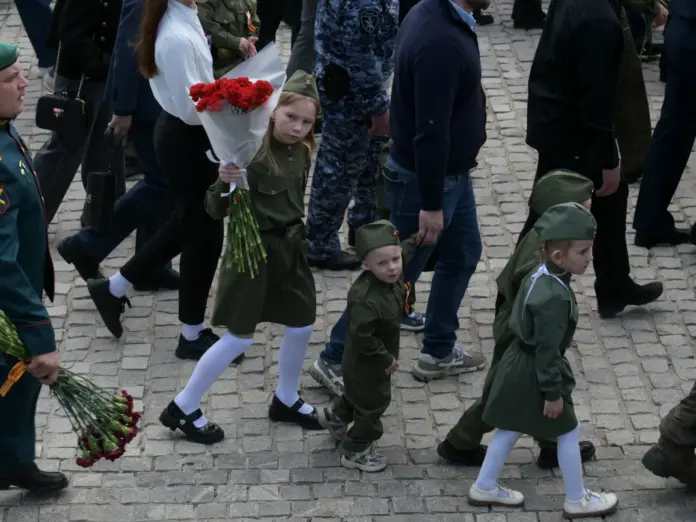
At the centre of both measures is Russia’s systematic programme of deporting and forcibly transferring Ukrainian children — a practice that has affected nearly 20,500 children since the full-scale invasion began in February 2022. The EU explicitly branded these actions grave breaches of international law. EU sanctions specifically name institutions involved in subjecting the children to pro-Russian indoctrination, including patriotic events, ideological education, and military-oriented activities.
Recommended Reading
Among the institutions sanctioned is the Centre for Military and Patriotic Training and Education of Youth — known informally as the warrior centre — a Russian state facility where Ukrainian children are reportedly subjected to military training and pro-Kremlin ideology. Yulia Sergeevna Velichko, the Moscow-installed minister for youth policy in the so-called Luhansk People’s Republic, was also targeted by UK sanctions for her role in implementing state-led initiatives affecting the children.
Approximately one-third of the UK’s sanctions targets are linked directly to Russia’s campaign to deport and militarise Ukrainian children. Yvette Cooper, the UK Secretary of State for Foreign Affairs, oversaw the announcement of the package, while Kaja Kallas, the EU’s top diplomat, championed the bloc’s coordinated response.
Russia has maintained that it moved children away from front-line areas for their protection, and has claimed a willingness to return them when relatives come forward and can be verified. Western governments and international legal bodies have rejected this framing. In 2023, the International Criminal Court issued an arrest warrant for Russian President Vladimir Putin on the war crime of illegal deportation of children from Ukraine — a landmark step that underscored the gravity with which the international community views the practice.
Beyond the child deportation issue, the UK’s sanctions package took direct aim at Russian information warfare operations. 49 individuals working for the Social Design Agency, a state-funded organisation accused of running disinformation and foreign interference campaigns, were named in the measures. The agency stands accused of attempting to establish pro-Russia organisations in Armenia and of seeking to manipulate the outcome of upcoming elections in that country.
Eu Uk Sanctions Russia: The Wider European Impact
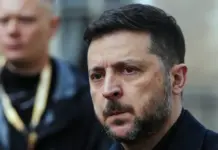
The targeting of Armenia-focused operations reflects a broader geopolitical contest. Armenia has been visibly distancing itself from Moscow’s orbit in recent months, a shift that has generated significant tension with the Kremlin. Last week, the Armenian ambassador was summoned by Russian officials to protest what Moscow described as terrorist threats against Russia — remarks attributed to Ukrainian President Volodymyr Zelenskyy during a speech delivered in Yerevan.
The simultaneous EU and UK actions signal a sustained effort by Western allies to impose costs on Russia across multiple fronts — from battlefield conduct to the manipulation of post-Soviet states still navigating their relationship with Moscow. By coordinating with Canada, the three partners have sought to maximise the diplomatic and economic weight of the measures, closing potential avenues for sanctioned individuals and entities to operate through third-party jurisdictions.
The sanctions mark the latest escalation in a broader international accountability effort that has grown steadily since Russia launched its full-scale invasion of Ukraine more than three years ago. With the ICC arrest warrant for Putin already in place and now fresh multilateral sanctions targeting the machinery of child deportation and ideological indoctrination, the international legal and diplomatic net around Moscow’s wartime conduct continues to tighten.