BEIRUT — Israeli Prime Minister Benjamin Netanyahu ordered his military to launch vigorous strikes against Hezbollah targets in Lebanon on Saturday, just 48 hours after diplomats in Washington brokered a three-week extension to a ceasefire that had already shown deep cracks. The resulting strikes killed at least six people across southern Lebanon and drew retaliatory fire from Hezbollah, casting serious doubt over the durability of the truce.
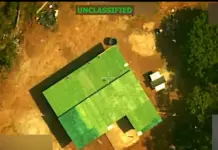
The Israel Defense Forces struck multiple locations across the Nabatieh, Bint Jbeil, and Tyre districts, targeting what it described as Hezbollah terrorist infrastructure used for military purposes. In the village of Yohmor al-Shaqeef in the Nabatieh district, strikes on a truck and a motorbike killed four people, according to Lebanon’s health ministry. Two further deaths and 17 injuries were recorded in an attack on Safad al-Battikh in the Bint Jbeil district.
The IDF said its forces eliminated three Hezbollah members who were travelling in a vehicle loaded with weapons, and killed two additional armed Hezbollah operatives in the Litani area, where Israel has maintained soldiers inside a self-declared buffer zone. The military also identified a suspicious aerial target near Malkia, which it characterised as a further ceasefire violation.
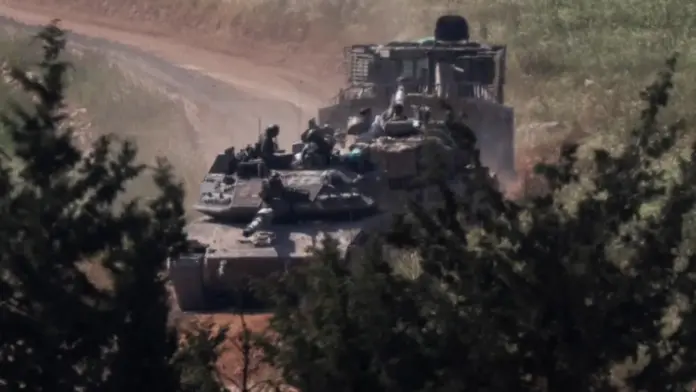
Hezbollah acknowledged targeting an Israeli army vehicle in southern Lebanon, framing the strike as direct retaliation for the Yohmor al-Shaqeef attack. The exchange underscored what observers have noted since the ceasefire took effect: the agreement has produced a reduction in hostilities rather than a genuine halt, with cross-border incidents continuing to erode the truce’s foundations.
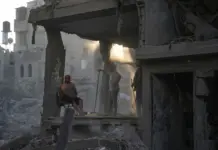
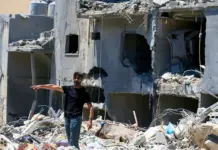
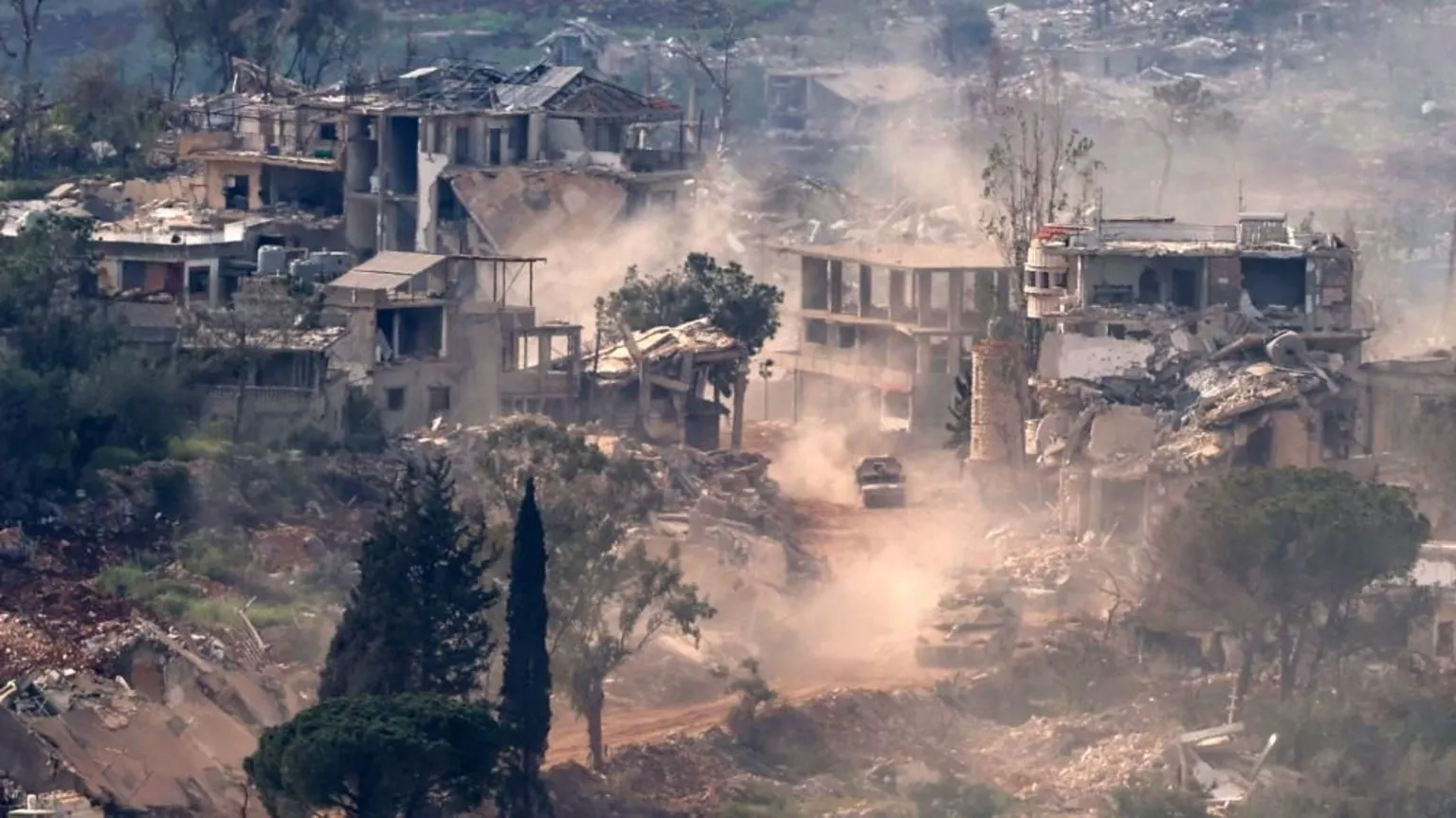
Israel continues to occupy significant portions of southern Lebanon and has conducted large-scale demolitions in the region, further complicating efforts to stabilise the border. The ceasefire extension, agreed Thursday following envoy-level talks in Washington, had been intended to provide breathing room for a more durable arrangement. Netanyahu’s order to escalate strikes came before that diplomatic momentum could take hold.
The violence has also reignited concerns about the safety of journalists operating in conflict zones. Amal Khalil, who worked for a Lebanese newspaper, was killed in an Israeli strike on Wednesday. Zeinab Faraj, a freelance photographer, was injured in the same attack. Lebanese officials allege the two journalists were deliberately targeted while seeking shelter in a residential building following an initial air strike nearby. The IDF denied targeting journalists.
The Media Freedom Coalition — a partnership that includes the United Kingdom and Finland — issued a condemnation on Saturday of violence directed against journalists, calling for accountability. The killing of Khalil adds to a growing toll of media workers who have lost their lives covering the conflict in Lebanon and the broader region.
The latest flare-up represents a significant test for the ceasefire framework. Since the agreement came into force, both sides have accused the other of violations, and the pattern of tit-for-tat strikes has persisted with little sign of abating. Netanyahu’s explicit order to attack Hezbollah targets signals that Israel has no intention of restraining its military posture in southern Lebanon, even as diplomatic channels remain nominally open.
For Lebanese civilians in the south, the consequences are immediate and deadly. Communities in the Nabatieh, Bint Jbeil, and Tyre districts have faced repeated strikes, and Israel’s continued military presence in the Litani buffer zone has prevented displaced residents from returning to their homes. Humanitarian organisations have warned that the ongoing instability is compounding an already severe crisis for populations caught between the two sides.
Whether the ceasefire extension agreed in Washington can survive the current escalation remains deeply uncertain. With Netanyahu ordering intensified operations and Hezbollah vowing retaliation, the gap between a formal truce and conditions on the ground has rarely appeared wider.