The European Union moved decisively to shore up Ukraine’s war effort on Wednesday, with ambassadors granting preliminary approval to a €90 billion loan package and a 20th round of sanctions against Russia — a breakthrough made possible by the stunning electoral defeat of Hungarian Prime Minister Viktor Orbán just days earlier.
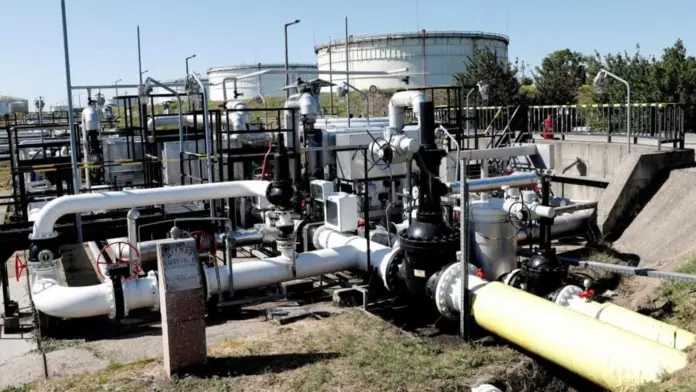
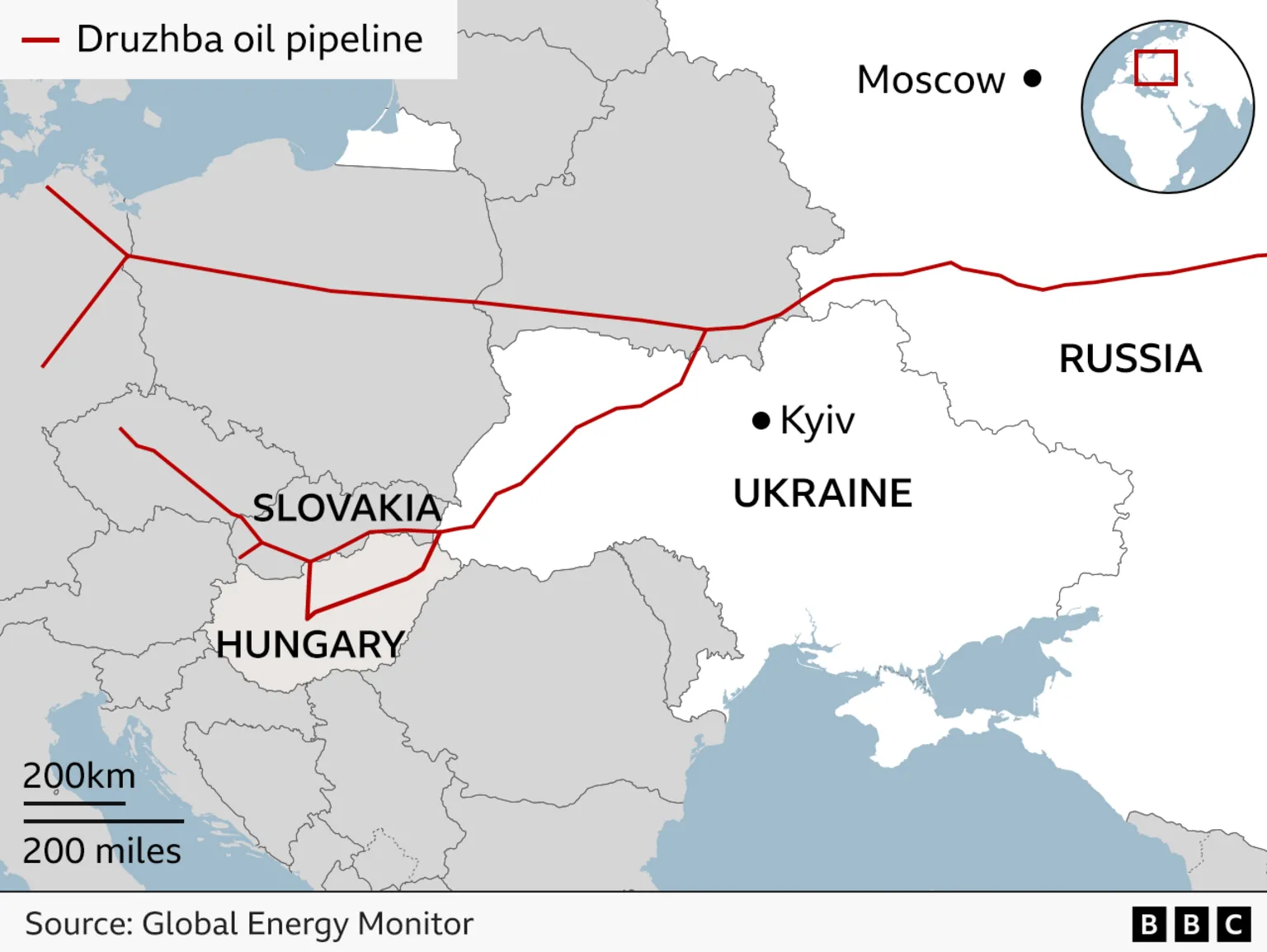
The twin developments came as the Druzhba pipeline, operated by Ukrainian state firm Ukrtransnaft, resumed pumping Russian oil into Hungary and Slovakia after a weeks-long interruption. Oil transit restarted at 12:35 local time (09:35 GMT) on Wednesday, following the completion of repairs to infrastructure that had been knocked out by a Russian attack. Slovak Economy Minister Denisa Sakova confirmed that pipeline pressurising had begun that morning, while Hungarian energy company Mol said it expected the first deliveries to arrive by Thursday at the latest. Supplies to Slovakia had been suspended since 27 January.
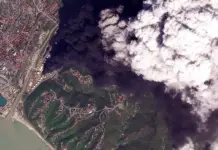
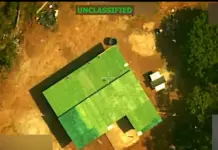
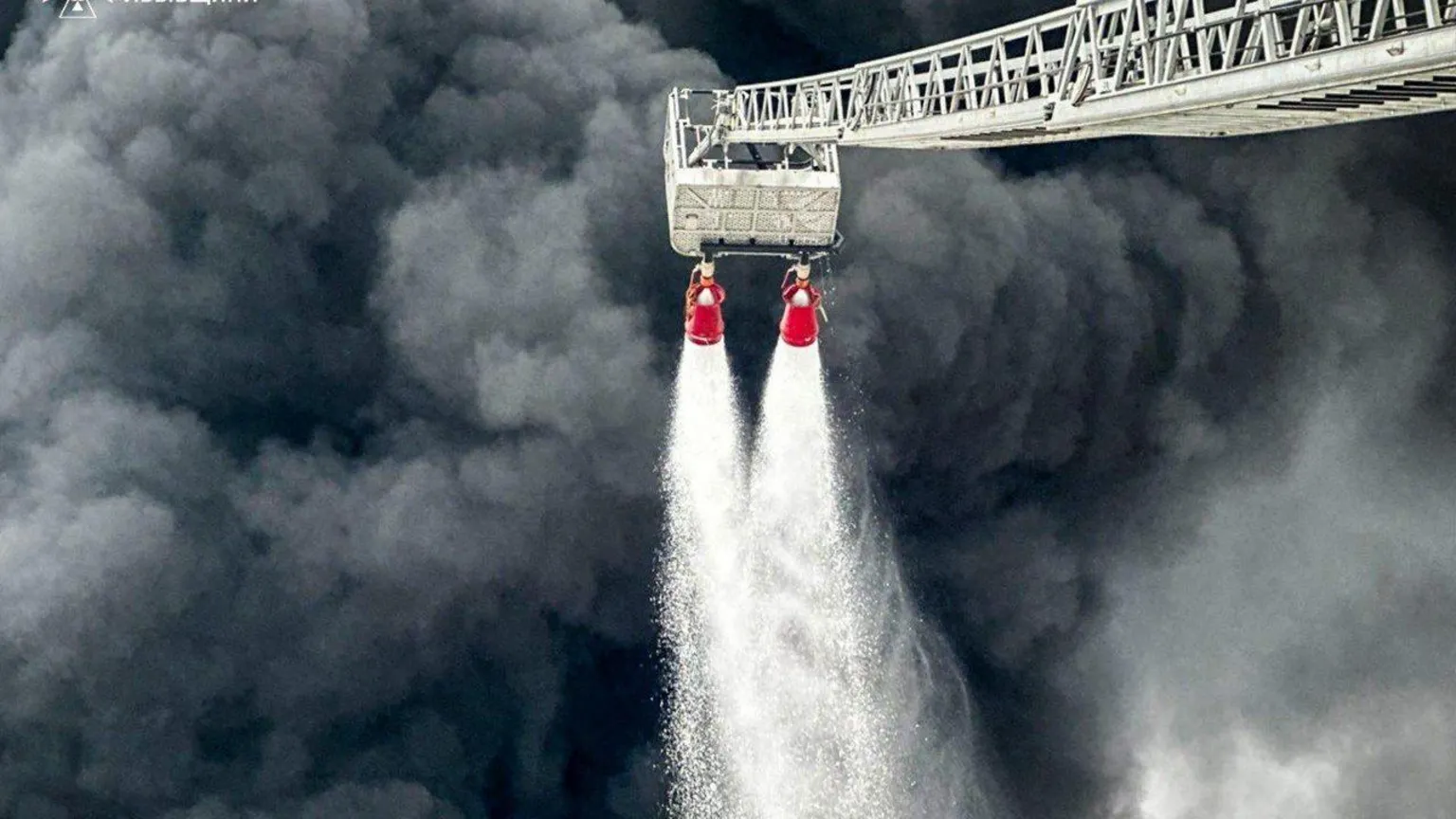
Satellite imagery captured in late January had revealed substantial damage to a major oil storage tank at Brody in western Ukraine, consistent with the disruption. Ukraine this week also struck oil facilities inside Russia, including a pumping station in the Samara region directly linked to the Druzhba network.
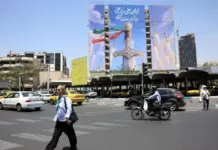
The resumption of oil flows and the loan’s political unblocking are deeply intertwined with the collapse of Orbán’s grip on power. The Hungarian leader, who governed for 16 years, had vetoed the loan payment in February after the funding was originally agreed in December. He had made hostility toward Ukrainian President Volodymyr Zelensky and the EU a centrepiece of his re-election campaign, with posters across Hungary depicting Zelensky alongside opposition leader Péter Magyar under the slogan "They are dangerous!" Orbán also accused Ukraine of deliberately imposing an 'oil blockade' on Hungary and Slovakia by failing to repair the pipeline.
Magyar’s victory on Sunday upended that calculus entirely. With Orbán removed from office, the path cleared for EU ambassadors to advance both the loan and the new sanctions package. EU leaders are scheduled to formally sign off on the agreement at an informal summit in Cyprus on Thursday.
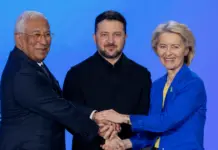
The €90 billion package is structured to address Ukraine’s most pressing needs: two-thirds of the total — roughly €60 billion — is earmarked for defence expenditure, while the remaining one-third will provide broader macroeconomic and financial assistance. Zelensky has been in direct contact with European Commission President Ursula von der Leyen and European Council head António Costa to advance the loan’s release, though Ukrainian officials cautioned that it could still take several weeks before the funds physically arrive in Kyiv.
Hungary, Slovakia and the Czech Republic had been granted an opt-out from the loan scheme, a concession that reflected the political sensitivities surrounding energy dependency on Russian supplies. That arrangement remains in place, even as the broader package moves forward.
The developments mark a significant shift in the EU’s posture toward the conflict. The 20th sanctions package signals continued resolve to impose economic costs on Moscow, while the scale of the loan — one of the largest single financial commitments to Ukraine since the full-scale invasion began — underscores the bloc’s long-term strategic bet on Kyiv’s survival and eventual recovery.
For Ukraine, the timing carries particular weight. The country is simultaneously managing battlefield pressures, infrastructure attacks and a complex diplomatic effort to keep Western support cohesive. The pipeline repairs, completed just as the political logjam in Brussels broke, offered a rare moment of convergence between military, economic and diplomatic threads — though officials were careful to temper expectations about how quickly the financial relief will translate into tangible support on the ground.