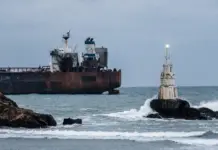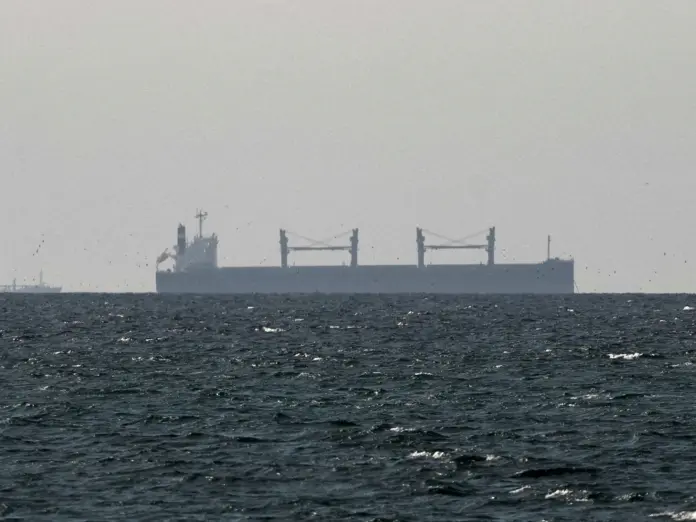
US naval forces boarded and detained the sanctioned oil tanker M/T Tifani overnight in the Indian Ocean, the Pentagon announced Tuesday, seizing a vessel carrying approximately 2 million barrels of Iranian crude at a moment when diplomatic efforts between Washington and Tehran hang in the balance.
The US Department of Defense confirmed that American forces conducted a right-of-visit, maritime interdiction and boarding of the Tifani within the INDOPACOM area of responsibility. A US defence official placed the capture in the Bay of Bengal, the stretch of ocean lying between India and Southeast Asia. The vessel’s last tracking signal, recorded Tuesday, showed it positioned roughly halfway between Sri Lanka and the Strait of Malacca, on a heading toward Singapore.
Intelligence firm Vanguard Tech identified the Tifani as a stateless vessel sailing under a Botswana flag — a designation consistent with the so-called ghost fleet Iran has assembled to circumvent international sanctions. Shipping data firm Kpler recorded the tanker loading its cargo at Iran’s Kharg Island on April 5, before transiting the Strait of Hormuz four days later and setting course across the Indian Ocean.
The Tifani is no stranger to sanctions evasion. The vessel has conducted numerous ship-to-ship oil transfers in waters off Singapore and Malaysia over recent years, completing multiple round trips between Southeast Asia and destinations including Iran and China — a pattern that placed it squarely in the crosshairs of US enforcement efforts.
The detention came just days after US naval forces attacked and seized an Iranian-flagged cargo ship on Sunday, after that vessel allegedly attempted to evade the American blockade. Together, the two incidents have drawn a sharp response from Tehran. An Iranian Foreign Ministry spokesman denounced both actions as "piracy at sea and state terrorism," warning that Washington’s military conduct called into question its seriousness at the negotiating table.
The timing is diplomatically charged. A two-week ceasefire between the United States and Iran was on the verge of expiring as the Tifani was brought under American control. An initial round of negotiations concluded on April 12 without a breakthrough, and Pakistan had been working to facilitate a second round of talks. As of Tuesday, however, Iran’s Foreign Ministry had yet to confirm whether it would attend. A ministry spokesperson told state television that Tehran had still to make a decision.
Vice President JD Vance had been expected to lead a US delegation to Pakistan for the next round of negotiations, though that trip was reported to be on hold. The diplomatic uncertainty deepened against a backdrop of continued enforcement activity on the high seas.
The scale of Iran’s sanctions-busting operation remains substantial despite US pressure. At least 26 vessels from Iran’s ghost fleet circumvented the American blockade in the week since it was imposed, according to Lloyd’s List Intelligence — underscoring the challenge facing Washington as it attempts to use maritime force to compel a nuclear agreement.
President Donald Trump has pledged to maintain the blockade until a deal is struck, and issued a stark warning that the US military is "raring to go" should negotiations fail to produce an agreement. The combination of naval seizures, expiring ceasefires, and stalled diplomacy has created a volatile environment in which each interdiction carries consequences far beyond the cargo hold of a single tanker.
The Tifani seizure illustrates the dual-track pressure campaign Washington is pursuing: squeezing Iran’s oil revenues through maritime enforcement while simultaneously seeking a diplomatic resolution to the nuclear standoff. Whether Tehran interprets the latest detention as leverage or provocation may determine whether a second round of talks takes place at all.