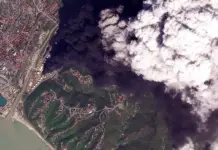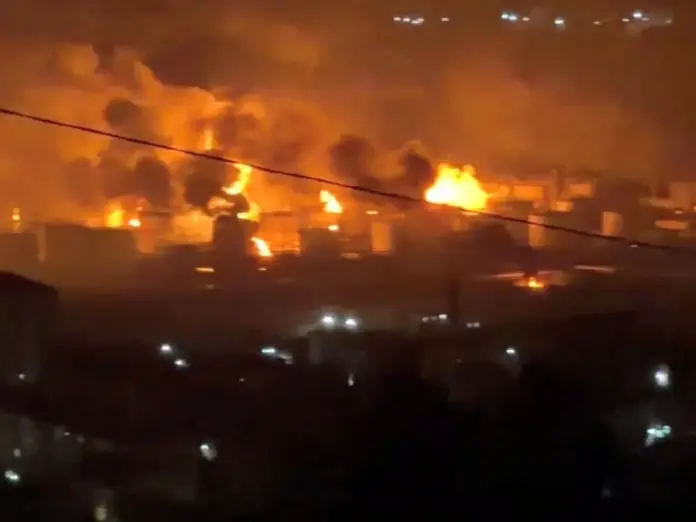
Ukraine’s military intelligence directorate, the GUR, claimed a significant strike against Russian naval assets in Sevastopol Bay in Russian-occupied Crimea, announcing the destruction of two large landing ships and a radar station in the same operation. The agency valued each of the vessels at $150 million, placing the combined material loss to Russia’s Black Sea Fleet at approximately $300 million.
The naval strike was accompanied by a separate drone attack on the Russian port of Tuapse, where at least one person was killed and another injured. Transport infrastructure at the port sustained damage in the assault — the second such attack on the facility within three days. Veniamin Kondratiev, the regional governor, confirmed the strike. Ukraine’s General Staff of the Armed Forces noted that the same oil refinery in the area had also been targeted on April 16, underscoring a sustained Ukrainian campaign against Russian energy and logistics infrastructure.
The offensive operations came as Russia launched its own overnight drone campaign across five Ukrainian regions. Strikes hit Kyiv, Kharkiv, Kherson, Sumy, and Zaporizhia, causing casualties and infrastructure damage across a wide geographic arc.
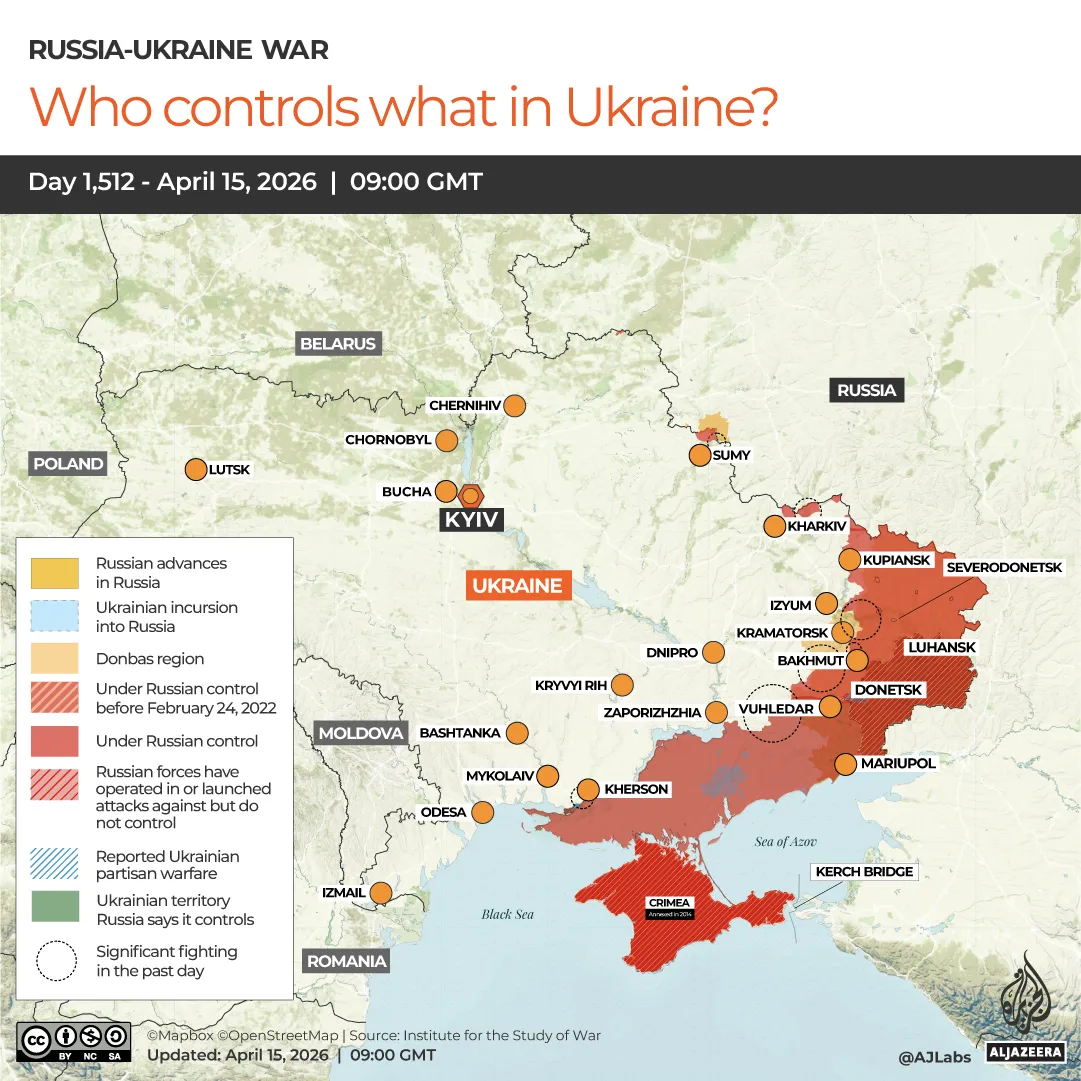
In the Sumy region, a Russian drone struck a car in the city of Putyvl, injuring three women. In Kyiv‘s Brovary district, two residential homes were hit and damaged, with one person injured. Railway infrastructure in Kharkiv was also struck, compounding pressure on Ukraine’s already strained logistics network. The Kherson region suffered the heaviest human toll, with one person killed and seven others injured over a 24-hour period. Four additional people were wounded in attacks across the Zaporizhia region.
The relentless pace of strikes on both sides reflects the broader trajectory of a war now entering its fifth year. Russia launched its full-scale invasion of Ukraine more than four years ago, and the conflict has since claimed the lives of more than 15,000 Ukrainian civilians, according to United Nations figures — a toll that continues to rise with each successive wave of attacks.
On the diplomatic front, efforts to broker a ceasefire remain stalled. Several rounds of United States-mediated negotiations have taken place in recent months without producing an agreement. Ukraine has proposed freezing the conflict along current front lines, a position that would leave territorial control largely as it stands. Russia, however, insists on full control of the Donetsk region, significant portions of which remain under Ukrainian administration. The gap between the two positions has so far proven unbridgeable.
Adding a further dimension to the geopolitical picture, the United States extended a sanctions waiver on Russian oil until May 16, a decision that drew attention amid ongoing debates in Washington over the economic tools being deployed — or withheld — in response to the conflict.
Ukraine’s targeting of Tuapse and the Crimean naval base reflects a deliberate strategic logic: degrade Russian logistical capacity, weaken the Black Sea Fleet’s ability to project power, and strike at the energy infrastructure that funds Moscow’s war machine. The destruction — if confirmed — of two amphibious landing ships would represent a meaningful blow to Russia’s ability to conduct maritime operations in the region, following earlier Ukrainian successes in forcing Russian naval assets away from the western Black Sea.
For ordinary Ukrainians, however, the strategic calculus plays out against a backdrop of nightly alerts, shattered homes, and a civilian death toll that the United Nations has documented with grim regularity. With no ceasefire in sight and both sides continuing to absorb and inflict casualties, the conflict shows no signs of approaching resolution.