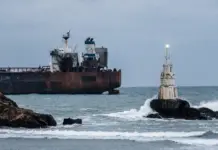
US forces seized an Iranian-flagged cargo ship in the Gulf of Oman on Sunday after disabling the vessel by blowing a hole in its engine room, a dramatic escalation in a naval confrontation that has paralysed one of the world’s most critical energy corridors.
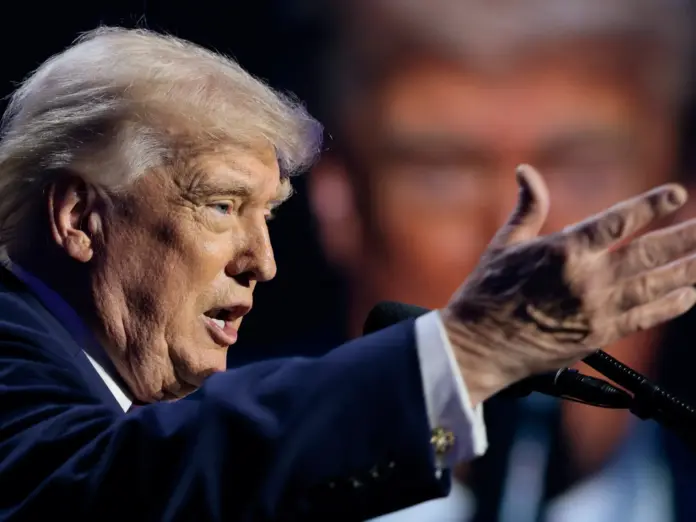
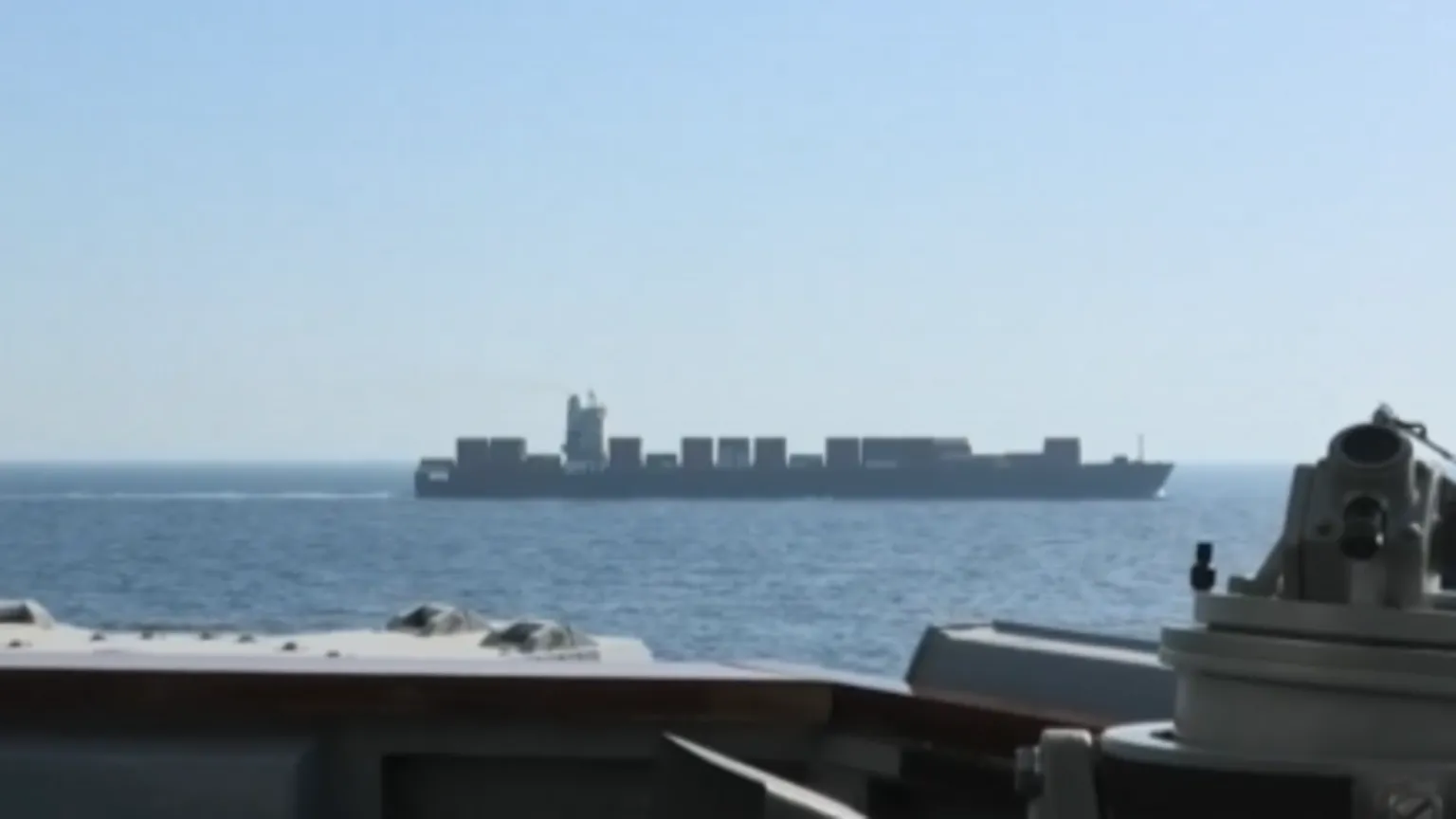
President Donald Trump announced that the Touska — a nearly 900-foot-long cargo vessel already under US Treasury sanctions for prior illegal activity — attempted to breach a US naval blockade near the Strait of Hormuz. A US Navy guided missile destroyer issued repeated warnings over six hours, ordering the crew to evacuate the engine room. The crew refused. The Navy then fired on the vessel, disabling it, and US Marines subsequently took full custody of the ship, which had been bound for the Iranian port of Bandar Abbas.
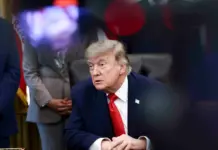
US Central Command released footage of the interception and confirmed the Touska ignored multiple warnings before force was used. Trump stated the naval blockade of Iranian ports, in place since April 13, would remain until Tehran reaches a deal with Washington, adding a stark threat: the US would knock out every bridge and power plant in Iran if a peace agreement was not reached.
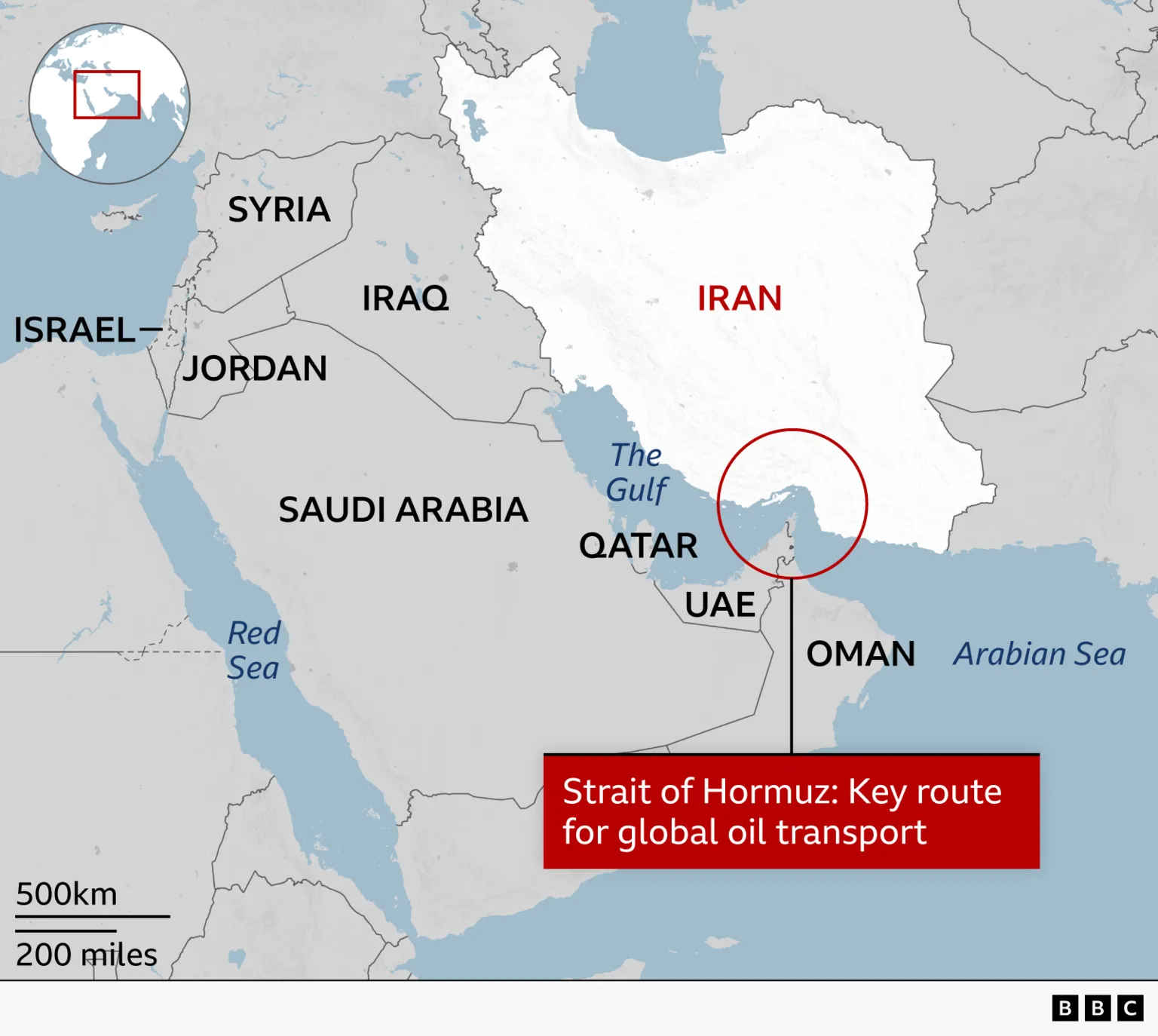
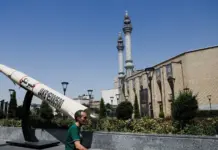
Iran’s response was swift and defiant. A spokesperson for Khatam al-Anbiya, Iran’s top joint military command, warned that the country’s armed forces would retaliate against the US action, characterising the seizure as a violation of a ceasefire reached earlier in the month. Iran’s Parliament Speaker Mohammad Bagher Ghalibaf made the stakes explicit, declaring it impossible for other nations to transit the Strait of Hormuz while Iran itself cannot.
The Islamic Revolution Guard Corps ended a temporary reopening of the strait that had followed an Israel-Hezbollah truce taking hold on Friday, and Tehran announced the waterway would remain closed until Washington lifted its blockade. The closure carries enormous global consequences: approximately 20% of the world’s oil and liquefied natural gas normally passes through the strait, making it the single most important maritime chokepoint for energy markets. The number of vessels attempting the passage has fallen dramatically since the conflict began.
Saturday brought further instability to the region’s waters. Trump accused Iran of violating the ceasefire by attacking ships in the strait that day. French shipping company CMA CGM confirmed one of its vessels was fired upon with warning shots. India reported two Indian-flagged ships were involved in a shooting incident in the strait. The UK’s Maritime Trade Operations reported two vessels — a tanker and a cargo ship — were attacked, though the UK’s defence and transport ministries said no UK-linked ships were struck. Following those incidents, ships in the Gulf came to a standstill.
The confrontation unfolds against a backdrop of weeks of broader conflict. US and Israeli strikes across Iran began on February 28, triggering five weeks of attacks across the Middle East before a two-week truce was declared. That ceasefire is now set to expire by Wednesday, and a first round of US-Iran negotiations concluded without agreement earlier this month.
Diplomatic efforts are continuing in parallel with the military brinkmanship. US Vice-President JD Vance, accompanied by Trump advisers Steve Witkoff and Jared Kushner, was scheduled to arrive in Islamabad on Monday to lead a second delegation for talks aimed at ending the conflict. Pakistan’s Prime Minister Shehbaz Sharif spoke with Iranian President Masoud Pezeshkian on Sunday evening, signalling Islamabad’s role as a potential intermediary.
Tehran, however, moved quickly to undercut the diplomatic framing. Iran’s state news agency IRNA flatly denied that a second round of talks with the US had been agreed, calling such reports untrue. Iranian officials attributed the breakdown in negotiations to the US blockade and what they described as excessive American demands.
The core issues dividing the two sides remain Iran’s nuclear programme and control of the Strait of Hormuz — questions that have defined the standoff since its outset and which neither side appears close to resolving. With the ceasefire deadline approaching, a seized ship in US custody, and Iran’s most vital maritime route shut to the world, the window for diplomacy is narrowing rapidly.