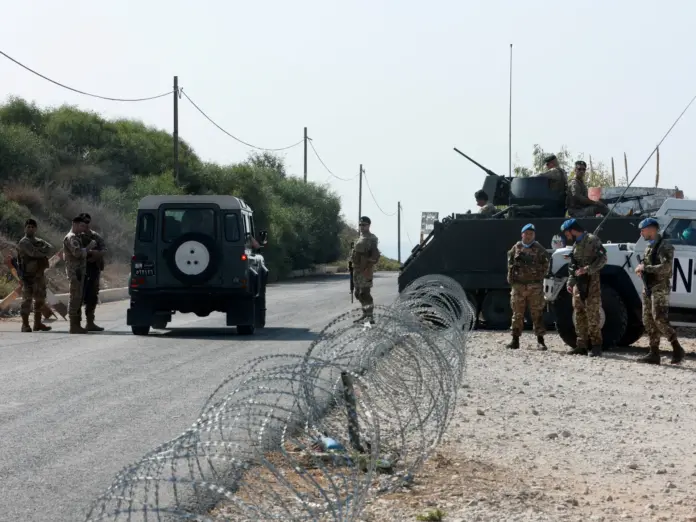
A French soldier serving with the United Nations Interim Force in Lebanon (UNIFIL) was killed and three colleagues wounded — two of them seriously — after their patrol came under direct small-arms fire in the southern Lebanese village of Ghandouriyeh, in the latest deadly assault on international peacekeepers operating in one of the world’s most volatile border zones.
French Armed Forces Minister Catherine Vautrin confirmed the soldier was struck by a direct shot from a small-arms weapon while the patrol was on a mission to clear explosive ordnance and open a route to an isolated UNIFIL post. The ambush was deliberate, she said, and the circumstances left little doubt about its targeted nature.
French President Emmanuel Macron condemned the attack as "unacceptable" and directly attributed responsibility to Hezbollah, urging the Lebanese government to take immediate action against those responsible. UNIFIL’s own initial assessment pointed to non-state actors, with officials indicating Hezbollah as the likely perpetrator. The mission announced it had launched a formal investigation into what it described as a deliberate attack — a characterisation that carries serious legal weight under international humanitarian law.
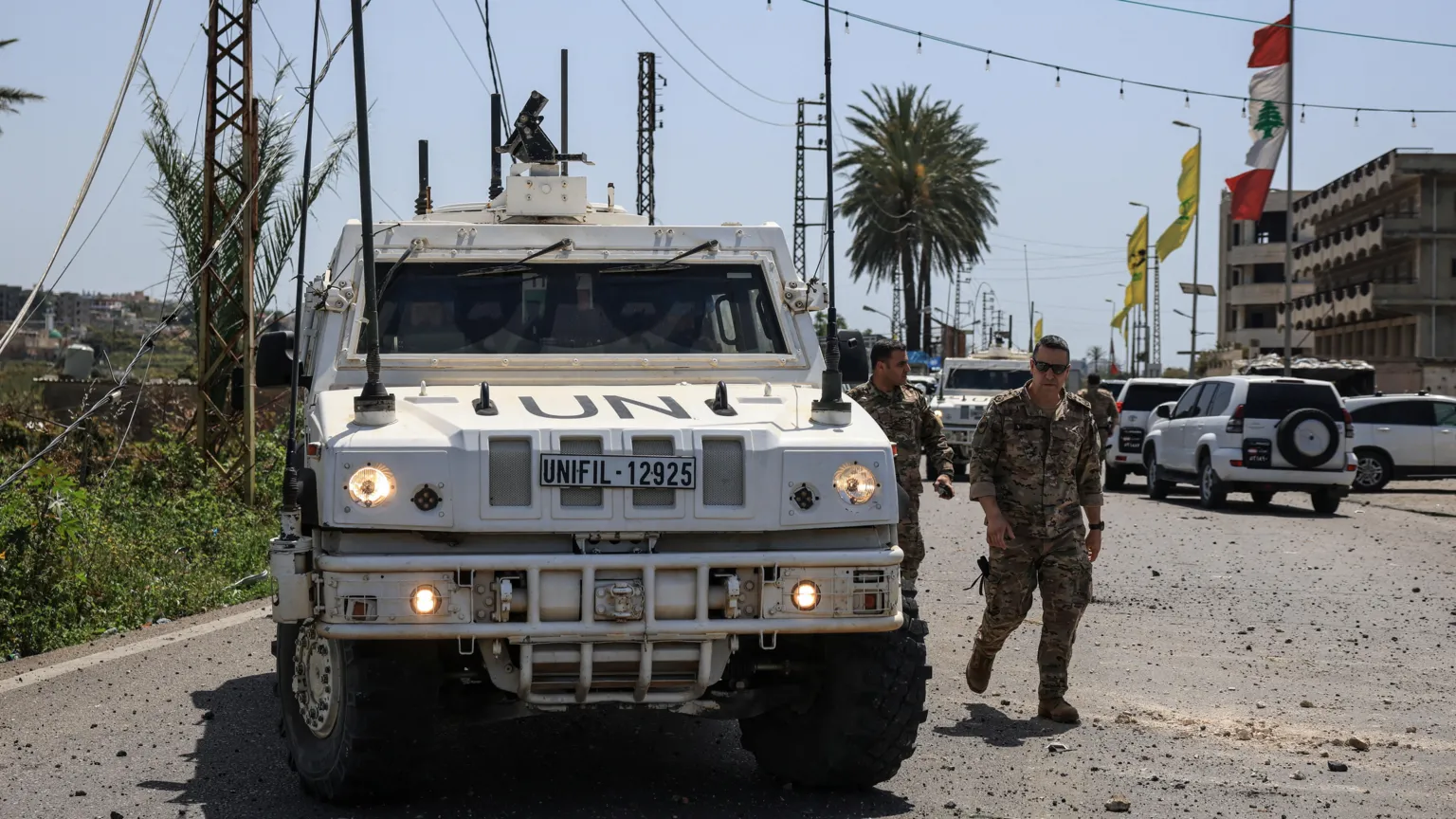
Hezbollah denied any involvement, issuing a statement distancing itself from the incident and calling for caution in assigning blame pending the outcome of the Lebanese army’s investigation. The Lebanese Armed Forces said the incident followed exchanges of fire with armed individuals in the area. President Joseph Aoun offered his condolences to France and ordered an immediate probe, while Prime Minister Nawaf Salam also condemned the attack and called for accountability.
The killing marks another grim chapter for a peacekeeping force that has operated under increasingly dangerous conditions. In late March, three Indonesian peacekeepers were killed in separate incidents — one in an explosion that destroyed a UNIFIL vehicle, another by a projectile strike. Just last month, two UN peacekeepers died when an explosion of unknown origin obliterated their vehicle in southern Lebanon. More than 330 peacekeepers have lost their lives since UNIFIL was first established in 1978 following Israel’s initial invasion of southern Lebanon. The mission’s mandate was significantly expanded under UN Security Council Resolution 1701 after the 2006 war between Israel and Hezbollah, tasking it with monitoring the ceasefire along the Blue Line — the de facto border separating the two countries.
UN Secretary-General Antonio Guterres called on all parties to abide by international law and guarantee the safety of UN personnel, reiterating that deliberate attacks on peacekeepers constitute grave violations of international humanitarian law and may amount to war crimes.
The attack unfolded against a backdrop of extreme regional instability. Renewed fighting between Hezbollah and Israel erupted on 2 March, after Hezbollah fired rockets toward Israel in response to the killing of Iranian Supreme Leader Ali Khamenei by a US-Israeli operation on February 28. Israel’s subsequent bombing campaign and ground invasion killed more than 2,000 people and displaced more than 1.2 million from their homes. A US-brokered 10-day ceasefire between Israel and Lebanon came into effect on 16 April, just days before the Ghandouriyeh ambush.
The broader diplomatic picture remains precarious. Pakistani Foreign Minister Ishaq Dar disclosed that the fighting between Israel and Hezbollah was a central sticking point during US-Iran talks held in Islamabad last weekend, underscoring how the Lebanon conflict has become entangled in wider negotiations over Iran’s nuclear programme. A separate US-Israel truce regarding Iran was set to expire in the days following the attack, adding further urgency to an already volatile diplomatic calendar.
For France, which maintains one of the largest national contingents within UNIFIL, the loss is both a military and political blow. Macron’s public attribution of blame to Hezbollah — even as the organisation denied responsibility — signals Paris’s determination to hold non-state armed groups accountable for attacks on its forces. The Lebanese government’s swift condemnation and pledge to investigate may help preserve the political relationship, but pressure is mounting on Beirut to demonstrate that it can exercise meaningful authority in the south of the country, where UNIFIL has long operated in the shadow of Hezbollah’s armed presence.
UNIFIL’s mandate to monitor the ceasefire along the Blue Line has never been more critical — or more dangerous. With fragile truces, active investigations, and a region still reeling from months of devastating conflict, the peacekeeping mission faces an existential test of its ability to operate without becoming a target.