Washington / Beirut / Tehran — The United States Navy launched a sweeping maritime blockade of the Strait of Hormuz on Monday, ordering all ships to halt passage into or out of Iranian ports as diplomatic efforts to end the war collapsed and Israeli forces pressed deeper into southern Lebanon, killing at least four civilians.
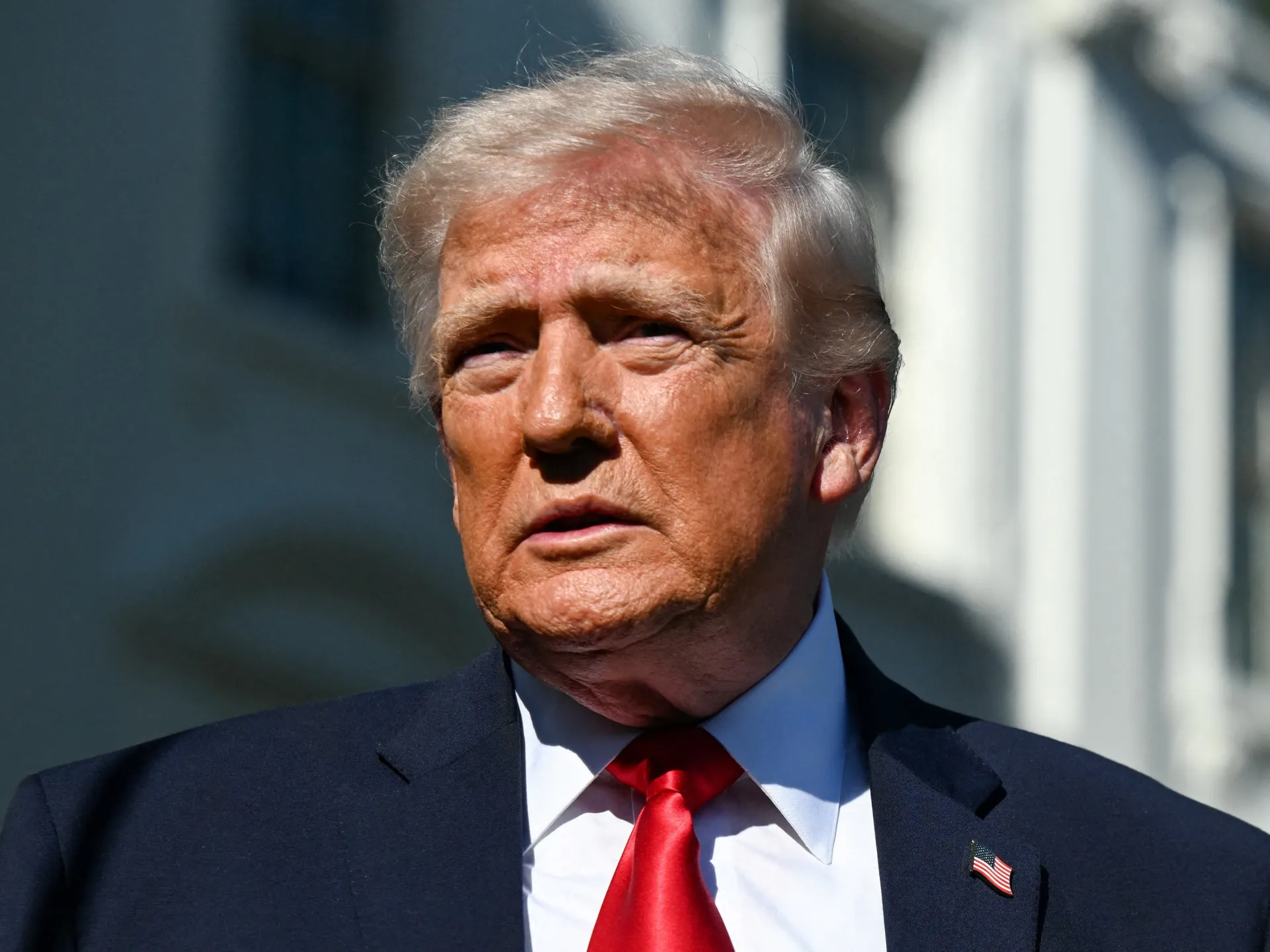
President Donald Trump announced the measure on Truth Social on Sunday, declaring that the US would begin "BLOCKADING any and all Ships trying to enter, or leave, the Strait of Hormuz." He instructed the Navy to intercept every vessel in international waters that has paid a toll to Iran, and said American forces would destroy mines he claimed Tehran has laid in the waterway. "Any Iranian who fires at us, or at peaceful vessels, will be BLOWN TO HELL!" Trump wrote.
US Central Command confirmed the blockade would take effect at 10:00 EDT on Monday, applying impartially to vessels of all nations entering or departing Iranian ports and coastal areas, including all ports on the Arabian Gulf and Gulf of Oman. Trump told Fox News that NATO had offered to help "clean out" the strait, and that minesweepers from both the US and the United Kingdom would be deployed. British Prime Minister Keir Starmer had previously confirmed that British mine-hunting systems are already in the region, though a UK government spokesperson clarified that London is "urgently working with France and other partners to put together a wide coalition to protect freedom of navigation" — stopping short of direct participation in the American-led blockade.
The announcement came hours after negotiations in Islamabad between American and Iranian delegations ended without agreement. Trump blamed Iran’s "unwillingness to give up its nuclear ambitions," while Iranian Foreign Minister Abbas Araghchi accused Washington of "maximalism, shifting goalposts, and blockade" as the reasons talks failed. Iran’s foreign ministry spokesman echoed those remarks, citing "excessive demands and unlawful requests" from the American side.
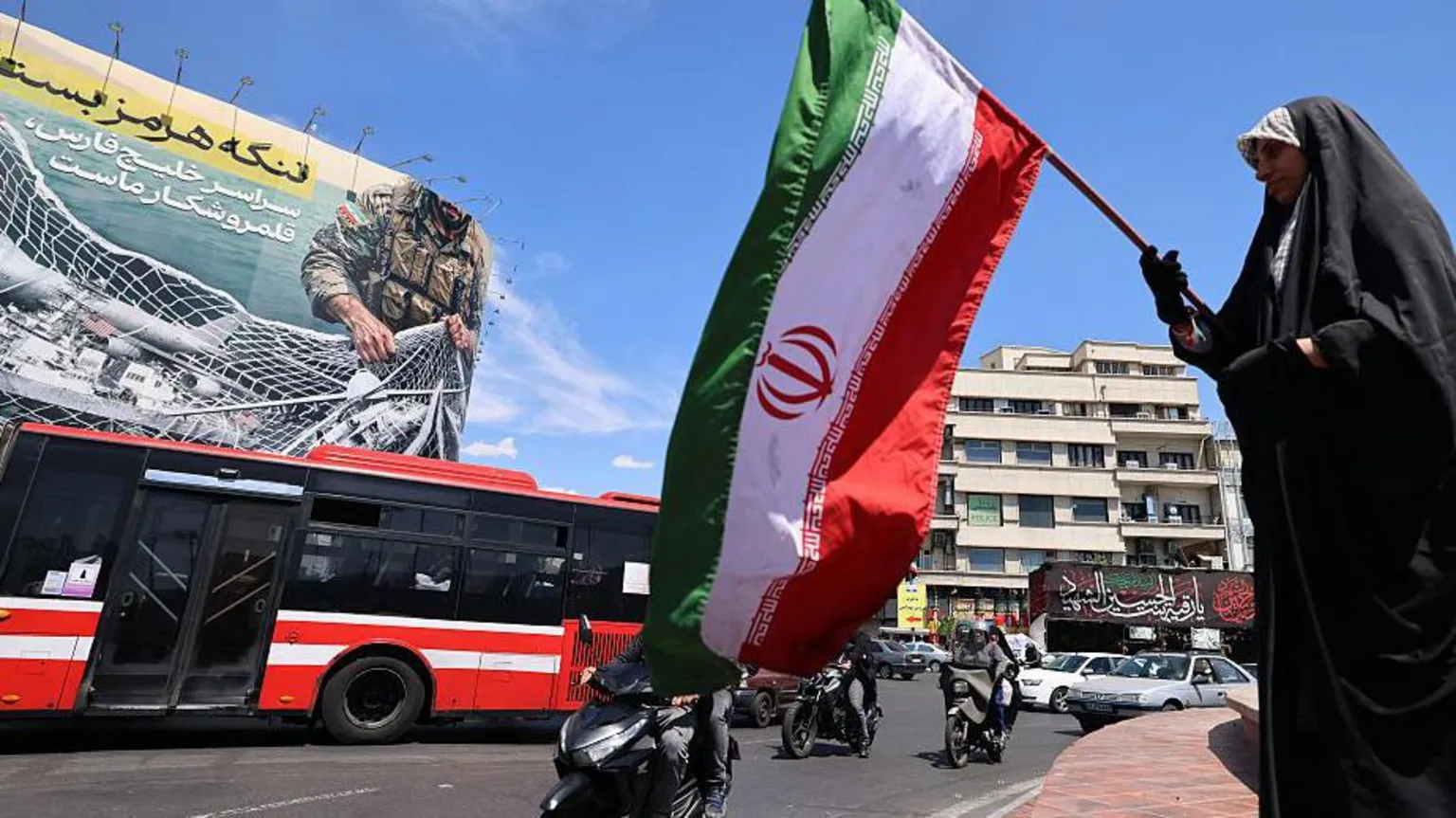
Tehran’s response was swift and combative. Iran’s Islamic Revolutionary Guard Corps warned that any military vessel approaching the strait would be considered a ceasefire violation and dealt with "severely." Iranian Parliament Speaker Mohammad Bagher Ghalibaf predicted that Americans would soon be "nostalgic for gasoline prices of $4 to $5 per gallon" as a consequence of the blockade. Iran has also threatened to close the Bab el-Mandeb Strait off the coast of Yemen, a move that would further strangle global shipping lanes.
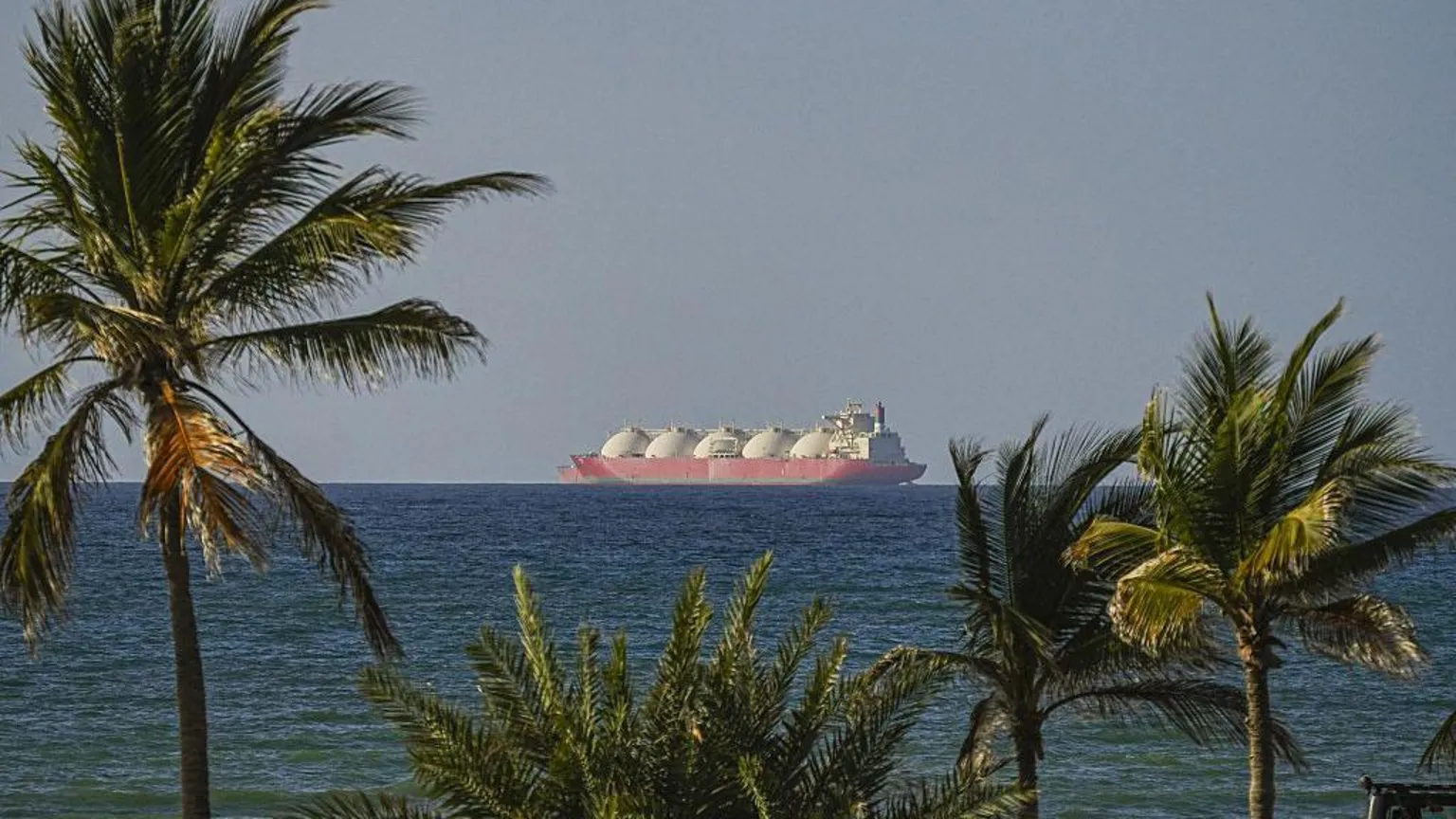
The strategic stakes are enormous. Before the conflict began on 28 February, an average of 138 ships transited the Strait of Hormuz daily. Since a two-week ceasefire was agreed on 7 April — under the condition that "safe passage" through the waterway would be guaranteed — only 19 vessels had been tracked passing through the strait by 17:00 BST on 10 April, just four of them tankers carrying oil, gas, or chemicals. Vessels in the area received messages warning they would be "targeted and destroyed" if they attempted to cross without Iranian permission. Shipping analyst Lars Jensen noted that in the near term, the blockade would affect only a small number of ships still navigating the waterway, given how dramatically traffic has already fallen.
Three legal experts in the United States have raised concerns that the blockade could violate international maritime law. Bipartisan unease is also surfacing in Congress. Democratic Senator Mark Warner of Virginia questioned the logic of the move, saying he did not understand how blockading the strait would push Iran into reopening it. Senator Tim Kaine argued the crisis was rooted in Trump’s earlier withdrawal from the Iranian nuclear deal negotiated under President Obama. Democratic Senator Patty Murray posted on 12 April that Trump’s "costly foreign war" is a major driver of surging inflation. Republican Senator Ron Johnson acknowledged the conflict would be "a long-term project," while several lawmakers expressed cautious hope that negotiations could resume before the ceasefire expires in approximately ten days. Republican congressman Mike Turner of Ohio defended the blockade as a tool to force a resolution.
On the ground in Lebanon, the situation deteriorated sharply. Israeli forces bombarded the town of Maaroub in the south, killing at least four people and wounding three others. Lebanese security sources confirmed that Israeli soldiers have seized all entrances to Bint Jbeil, effectively encircling the town. Air raid sirens sounded across Israel’s Upper Galilee region following rocket fire from Lebanese territory. Hezbollah claimed responsibility for 43 separate attacks on Israeli positions on Sunday alone, striking targets in the southern Lebanese towns of Khiam, Biyyada, Bint Jbeil, Taybeh, and Shama, as well as Israeli communities including Kiryat Shmona, Margaliot, Avivim, and Metula, and positions in the occupied Syrian Golan Heights.
University of Tehran associate professor Zohreh Kharazmi offered historical context for the standoff, drawing parallels to earlier episodes of Western economic pressure on the region — including the CIA and MI6-backed coup that ousted Iranian Prime Minister Mohammed Mossadegh in 1953 following Britain’s response to Iran’s nationalization of its oil industry, and Egypt’s nationalization of the Suez Canal in 1956 to break British and French control over that waterway. The echoes of those confrontations hang over a crisis that, with the ceasefire clock ticking, shows few signs of resolution.