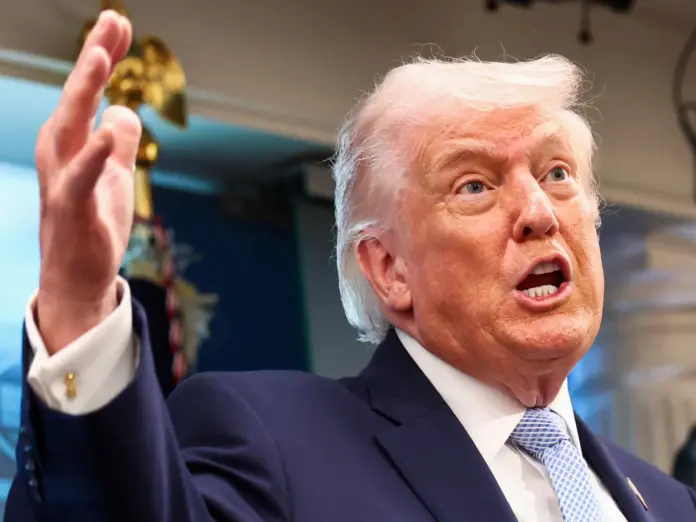
WASHINGTON / TEHRAN — Donald Trump issued his most explicit threat yet against Iranian civilian infrastructure on Monday, warning of the "complete demolition" of Iran’s power plants and bridges unless the Strait of Hormuz is fully reopened by 20:00 Eastern Time on Tuesday — 01:00 BST Wednesday. The ultimatum came as US and Israeli forces conducted their most intensive day of strikes on Iran since the war began, with US Central Command reporting attacks on more than 13,000 Iranian targets and the destruction or damage of more than 155 Iranian vessels.
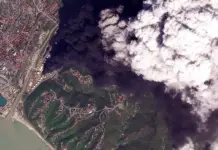
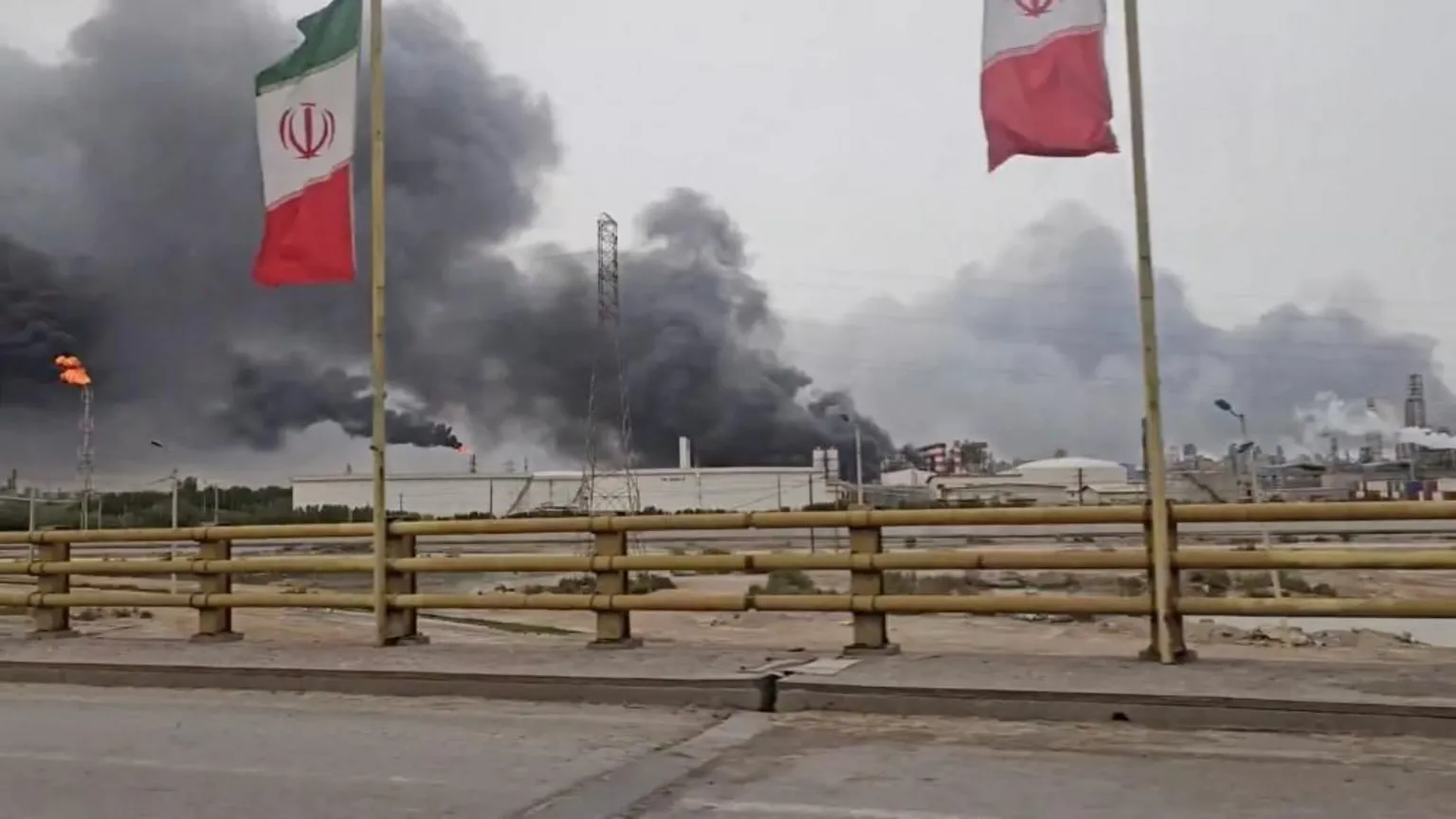
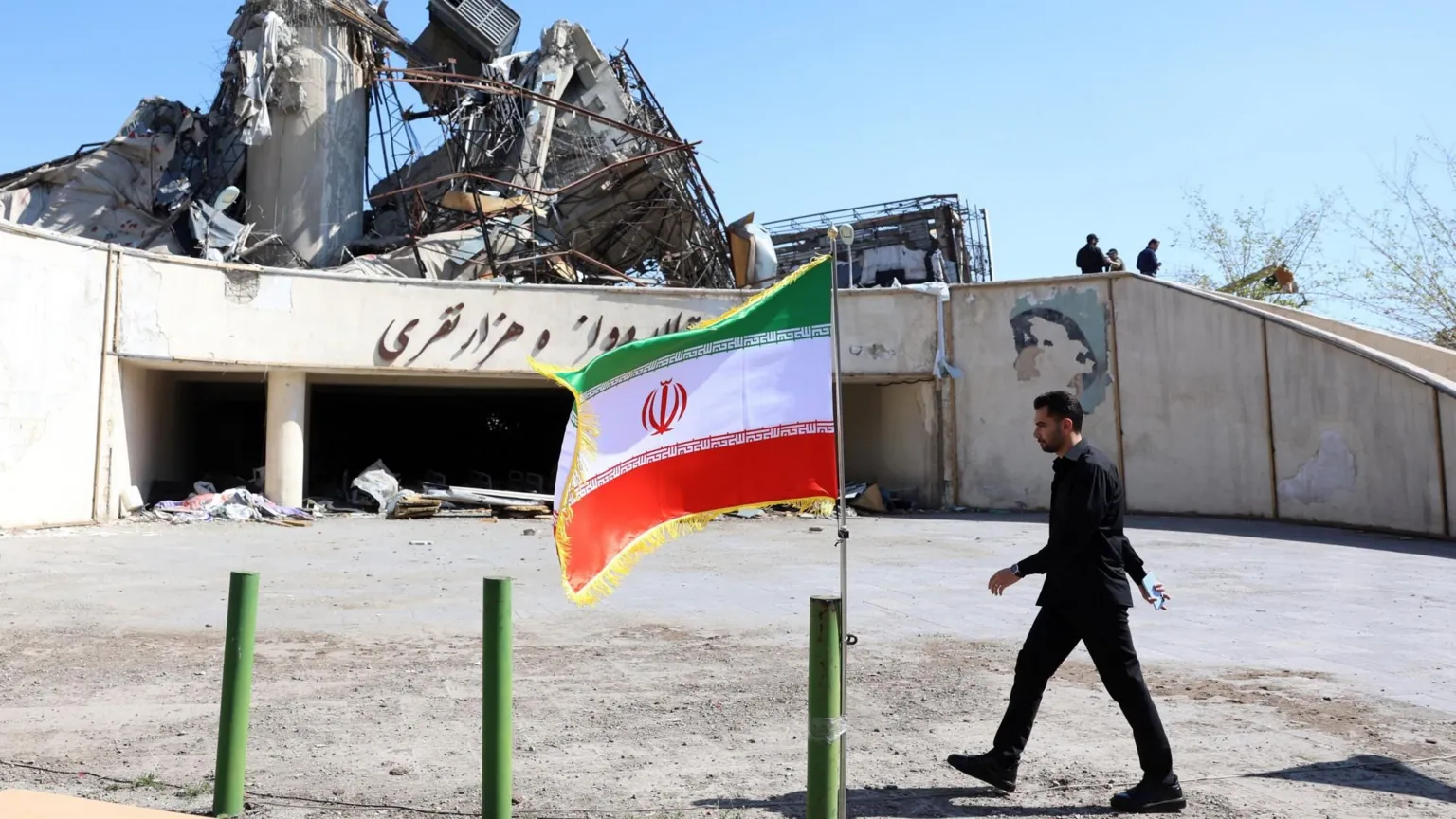
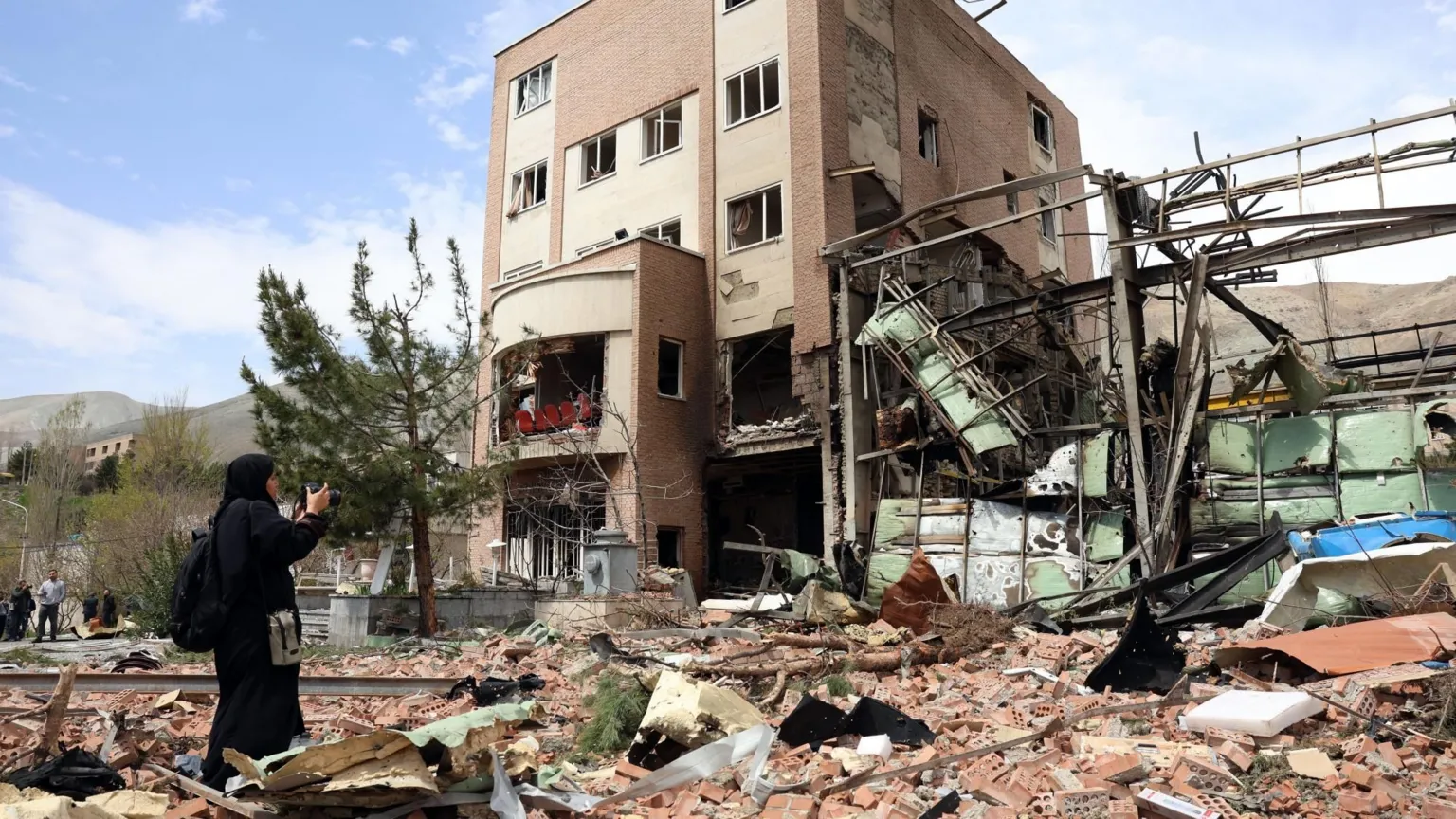
Defense Secretary Pete Hegseth confirmed that US forces are carrying out more strikes on Iran than on any previous day of the conflict. The operation, designated Operation Epic Fury, involves nuclear-powered aircraft carriers, submarines, F-35 stealth fighter jets and B-52 bombers. US-Israeli strikes across Iran killed at least 34 people throughout Monday alone. Among the targets hit were two electricity-producing units at the South Pars gasfield, a critical node in Iran’s energy infrastructure. A bridge under construction in Karaj was struck on Thursday, killing 13 people and injuring nearly 100, according to Iranian media.
Trump posted on social media Sunday that "Tuesday will be Power Plant Day, and Bridge Day, all wrapped up in one, in Iran," a declaration that drew swift condemnation from US lawmakers and foreign governments alike. Senator Chris Murphy warned the plan "will kill tens of thousands of innocent Iranians," while Senator Mark Kelly stated that targeting power plants and non-military infrastructure would constitute a violation of the laws of armed conflict. New Zealand Prime Minister Christopher Luxon called Trump’s threats against civilian infrastructure "unhelpful."
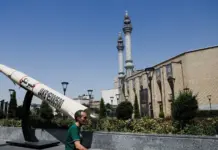
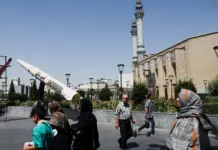
Iran’s military dismissed the warnings as "delusional," saying they cannot compensate for what it described as the "disgrace and humiliation" of the United States in the region. Tehran has rejected a US ceasefire proposal conveyed through intermediaries — which Trump acknowledged was "significant" but "not good enough" — and is instead demanding a comprehensive peace deal encompassing Lebanon, Yemen, Iraq and Iran. In a striking act of civil protest, Iranian composer Ali Ghamsari staged a sit-in in front of Iran’s Damavand power plant to protest the US bombing threats.
The conflict’s toll extends well beyond Iran’s borders. Hezbollah claimed rocket salvos against the northern Israeli towns of Metula and Kfar Yuval in the predawn hours of Monday. In Haifa, an Iranian missile strike on a residential building late Sunday killed four people, including a Filipino citizen and her Israeli husband and elderly parents-in-law. In Lebanon, Pierre Moawad, a member of the Lebanese Forces party, was killed alongside his wife Flavia and friend Roula Mattar in an Israeli bombing on Sunday; two US-made GBU-39 bombs struck a building in Ain Saadeh, a predominantly Christian area east of Beirut. More than 1.1 million people are now registered as displaced in Lebanon.
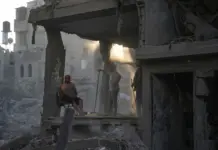
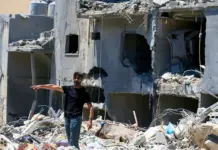
In Gaza, an Israeli air strike killed at least 10 people near a school sheltering displaced Palestinians in central Gaza, adding to the mounting civilian toll of the broader regional conflict.
The war is reverberating economically across Asia. Brent crude futures rose 0.4 percent to $110.19 a barrel, while US West Texas Intermediate climbed 0.8 percent to $113.31. Indonesia announced a 38 percent increase in fuel surcharges for domestic airlines, with aviation fuel prices having surged 72.45 percent since March. In the Philippines, more than 40,000 citizens set to depart for work in Israel, Lebanon and Gulf countries are stranded due to a scarcity of flights, even as the government has repatriated more than 4,000 Filipino workers and their dependents from the Middle East. An estimated 2 million Filipinos work throughout the region.
Malaysia secured a partial diplomatic win when Iranian authorities granted safe passage to one of seven Malaysian-owned commercial vessels previously stranded in the Strait of Hormuz, following a call between Prime Minister Anwar Ibrahim and Iranian President Masoud Pezeshkian last month. Japan is pursuing similar diplomatic channels: Foreign Minister Toshimitsu Motegi spoke by phone with Iranian Foreign Minister Abbas Araghchi on Monday, and Prime Minister Sanae Takaichi announced arrangements are underway for a direct call with Pezeshkian.
Inside Iran, a five-week internet blackout has left citizens paying roughly $6 for 1GB of data sold through the Telegram messaging app, in a country where the average monthly salary is estimated between $200 and $300. Possession of a Starlink terminal carries a prison sentence of up to two years. Meanwhile, Iran’s Mehr News Agency reported that a US-Israeli projectile struck a synagogue in central Tehran; an estimated 20,000 Jews currently live in Iran, according to the Minority Rights Group.
On Capitol Hill, Democratic Congresswoman Yassamin Ansari introduced an impeachment complaint against Defense Secretary Hegseth over the conduct of the campaign. The political pressure on the administration is mounting even as the military tempo accelerates, with Tuesday’s deadline setting the stage for a potential escalation that diplomats and lawmakers across multiple continents are scrambling to prevent.