More than 100 United States-based international law scholars have signed an open letter condemning the ongoing US-Israeli military campaign against Iran, declaring the strikes a violation of the United Nations Charter and warning they may constitute war crimes under international law.
The letter, published Thursday, represents one of the most significant collective condemnations by American legal academics since the campaign began on February 28. Among its co-authors are Oona Hathaway and Harold Koh of Yale Law School, Philip Alston of NYU, and Kenneth Roth, the former executive director of Human Rights Watch.
The scholars argue the campaign was launched without authorisation from the UN Security Council and without credible evidence of an imminent threat from Iran. They further note that Iran had not attacked either Israel or the United States prior to the strikes — a foundational point in their legal argument against the use of force.
The letter raises specific concerns about violations of international humanitarian law and international human rights law, citing attacks on hospitals, water treatment plants, and energy infrastructure as examples of strikes that may have targeted civilian necessities in contravention of the laws of war.
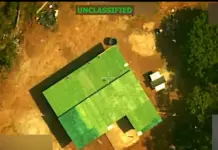
Among the most devastating incidents cited is a strike on a primary school in Minab, Iran on the opening day of the conflict. That attack killed at least 175 people, the majority of them children — a toll the scholars describe as emblematic of the campaign’s broader disregard for civilian protection obligations.
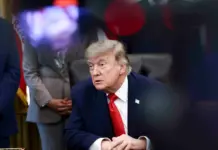
The letter also singles out statements by senior US officials as cause for alarm. President Donald Trump made a mid-March comment suggesting the United States might conduct strikes on Iran "just for fun," a remark the scholars view as evidence of an intent incompatible with lawful use of force. Pentagon chief Pete Hegseth drew further criticism for comments made in early March in which he declared the US does not fight with "stupid rules of engagement," a posture the letter characterises as a deliberate rejection of the legal constraints governing armed conflict.
Hegseth has publicly embraced what he describes as a "gloves off" approach to warfare, a stance that legal experts say signals institutional indifference to the protections afforded to civilians and combatants alike under the Geneva Conventions and customary international law.
Beyond the human cost, the campaign is placing an enormous financial burden on American taxpayers, with estimates placing the daily expenditure at up to $2 billion. The scholars express concern that the war is not only causing immediate harm but is also eroding the broader international legal order that the United States helped construct after World War II.
The letter urges US government officials at all levels to uphold the UN Charter, international humanitarian law, and human rights law "at all times," and calls for accountability for any violations that have already occurred. The signatories warn that the precedents being set — both in conduct and in official rhetoric — risk dismantling decades of legal norms designed to constrain the destructive capacity of modern warfare.
The US-Israeli campaign against Iran marks a dramatic escalation in a long-running regional confrontation. The strikes have drawn widespread international condemnation, and the open letter from American legal scholars adds a significant domestic dimension to the pressure on the Trump administration to justify its actions under established frameworks of international law.