HAVANA — Russia announced Thursday it is preparing to send a second oil tanker to Cuba, deepening an emerging energy lifeline for the island nation as it struggles through a crippling fuel crisis triggered by a US-imposed blockade now entering its third month.
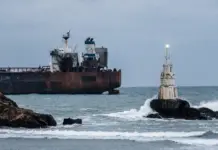
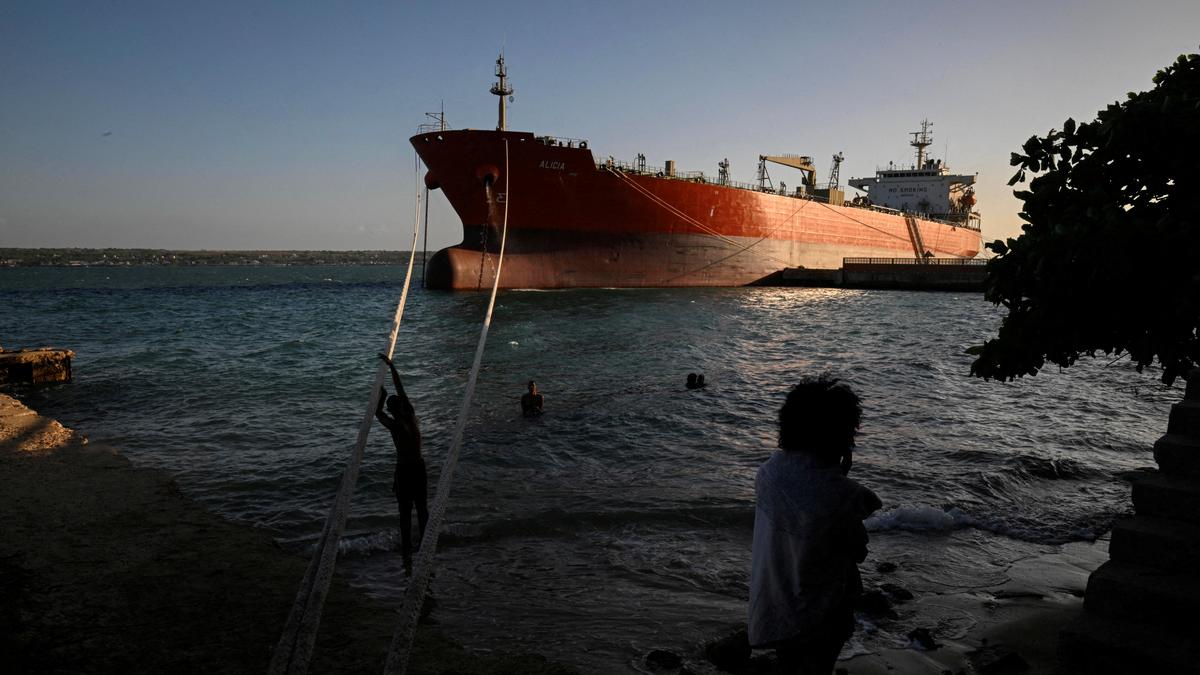
Russian Energy Minister Sergei Tsivilev confirmed on April 2 that cargo was already being loaded for the second shipment, days after a Russian-flagged tanker carrying approximately 730,000 barrels of crude oil docked at Cuba’s Matanzas oil terminal on March 31 — the island’s first oil delivery since January 2026.
That initial delivery was permitted under a one-time humanitarian waiver granted by the Trump administration, which has otherwise threatened to impose tariffs on any country that sells or provides oil to Cuba. Washington stressed that future decisions would be handled on a case-by-case basis, leaving the island’s energy future deeply uncertain.
The crisis traces directly to January 2026, when US forces abducted Venezuelan President Nicolas Maduro, a close Cuban ally and the island’s principal oil supplier. His removal instantly severed Havana’s most critical energy artery, plunging Cuba into weeks of rolling blackouts, severe fuel rationing and acute food shortages that have battered ordinary citizens across the country.
Against that backdrop, Cuban Deputy Prime Minister Oscar Perez-Oliva travelled to St Petersburg on Wednesday for talks with Russian officials. Speaking to Russian network RT, Perez-Oliva said Havana and Moscow had begun coordinated efforts to stabilise fuel supplies and had made tangible progress in negotiations aimed at expanding Russian companies’ participation in oil exploration and production on the island. The discussions signal a significant deepening of the two countries’ historically close ties at a moment of acute vulnerability for Cuba.
Russia has been openly critical of Washington’s efforts to block fuel deliveries to the island. Moscow’s willingness to step in — even under the shadow of US tariff threats — underscores the geopolitical dimensions of a crisis that has rapidly evolved beyond a bilateral dispute between Washington and Havana.
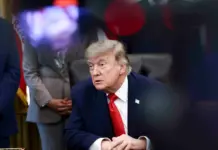
President Donald Trump offered a characteristically blunt assessment on Sunday, March 29, saying he had ‘no problem’ with Russia sending oil to Cuba, while simultaneously dismissing the island’s prospects. ‘Cuba’s finished,’ Trump said. ‘They have a bad regime. They have very bad and corrupt leadership.’ He added that whether or not Cuba receives oil shipments, ‘it’s not going to matter.’ Trump has repeatedly threatened to attack Cuba and remove its government.
Cuban officials have described the blockade in starkly different terms. Government representatives called the fuel cutoff ‘cruel,’ pointing to the humanitarian toll on a population already stretched by decades of economic hardship.
That frustration boiled into the streets of Havana on Thursday, as hundreds of residents gathered along the city’s iconic seawall for a protest against the US embargo. Demonstrators arrived on bicycles, motorcycles and three-wheeled electric vehicles, riding past the US Embassy and into the downtown area. Among them was Ivan Beltran, 62, who rode an electric tricycle bearing a photograph of the late revolutionary leader Fidel Castro — a symbol of defiance that resonated through the crowd.
The protest reflected the mounting anger of a population that has endured months without reliable electricity or adequate fuel, with no clear end in sight. The US position — allowing limited humanitarian deliveries while maintaining the broader blockade and tariff threats — has done little to ease the underlying crisis.
With Moscow now preparing a second tanker and bilateral energy talks advancing, Cuba appears to be pivoting firmly toward Russia as its primary energy partner. Whether that relationship can provide the sustained supply volumes previously delivered by Venezuela remains an open question, but Thursday’s announcement signals that both governments are committed to testing it.