WASHINGTON — President Donald Trump is weighing a proposal to ask Arab countries to shoulder the financial burden of the US-Israel military campaign against Iran, the White House confirmed Monday, reviving a cost-sharing model not seen since the Gulf War of 1991 — but under vastly more complicated circumstances.
White House spokesperson Karoline Leavitt told reporters that Trump would be interested in calling on Arab nations to fund the war effort, describing it as an idea the president is actively considering. The announcement comes as the conflict, which began with strikes on February 28, continues to roil global energy markets and strain Washington’s diplomatic relationships across the Middle East.
The economic stakes are stark. Iran closed the Strait of Hormuz shortly after hostilities commenced, severing a chokepoint through which roughly 20 percent of the world’s oil and liquefied natural gas supplies normally flow. Brent crude climbed as high as $116 per barrel this week, nearly double the pre-war price of approximately $65. The disruption has hit energy-importing nations hardest; the United States, largely self-sufficient in oil and gas, faces comparatively limited domestic exposure.
Analysts estimate the overall cost of the Iran war could run to tens of billions of dollars — a figure that has sharpened the White House’s focus on burden-sharing. Yet the political landscape differs sharply from the precedent Trump’s team appears to be invoking. Gulf Cooperation Council states and other Arab nations did not request US intervention before strikes began, a fact that complicates any argument that they bear an obligation to contribute.
Tehran, for its part, has rejected any framework that does not begin with accountability. Iranian officials have stated that the United States must pay reparations to compensate war victims as a precondition for any ceasefire discussion, a demand that appears irreconcilable with the White House’s current posture.
The historical parallel most frequently cited in Washington is Operation Desert Storm, the January 1991 coalition campaign that expelled Iraqi forces from Kuwait following Saddam Hussein‘s invasion in August 1990. That conflict cost the coalition approximately $61 billion at the time — equivalent to roughly $140 billion in today’s money — yet the United States covered only 12 percent, or $7.3 billion, according to Pentagon figures from the early 1990s.
The remaining 88 percent was financed by allies with direct stakes in the outcome. Saudi Arabia contributed $16.8 billion, representing 27 percent of total costs. Kuwait provided $16 billion, or 26 percent. Japan paid $10 billion despite having no military role, while Germany contributed $6.4 billion and the United Arab Emirates added $4 billion. Even South Korea contributed $251 million.
The model worked in 1991 partly because the threat — a destabilised Gulf and disrupted oil supply — was immediate and shared. Whether the same logic applies today, when Arab governments were not party to the decision to strike Iran, remains deeply contested among regional analysts and foreign policy experts.
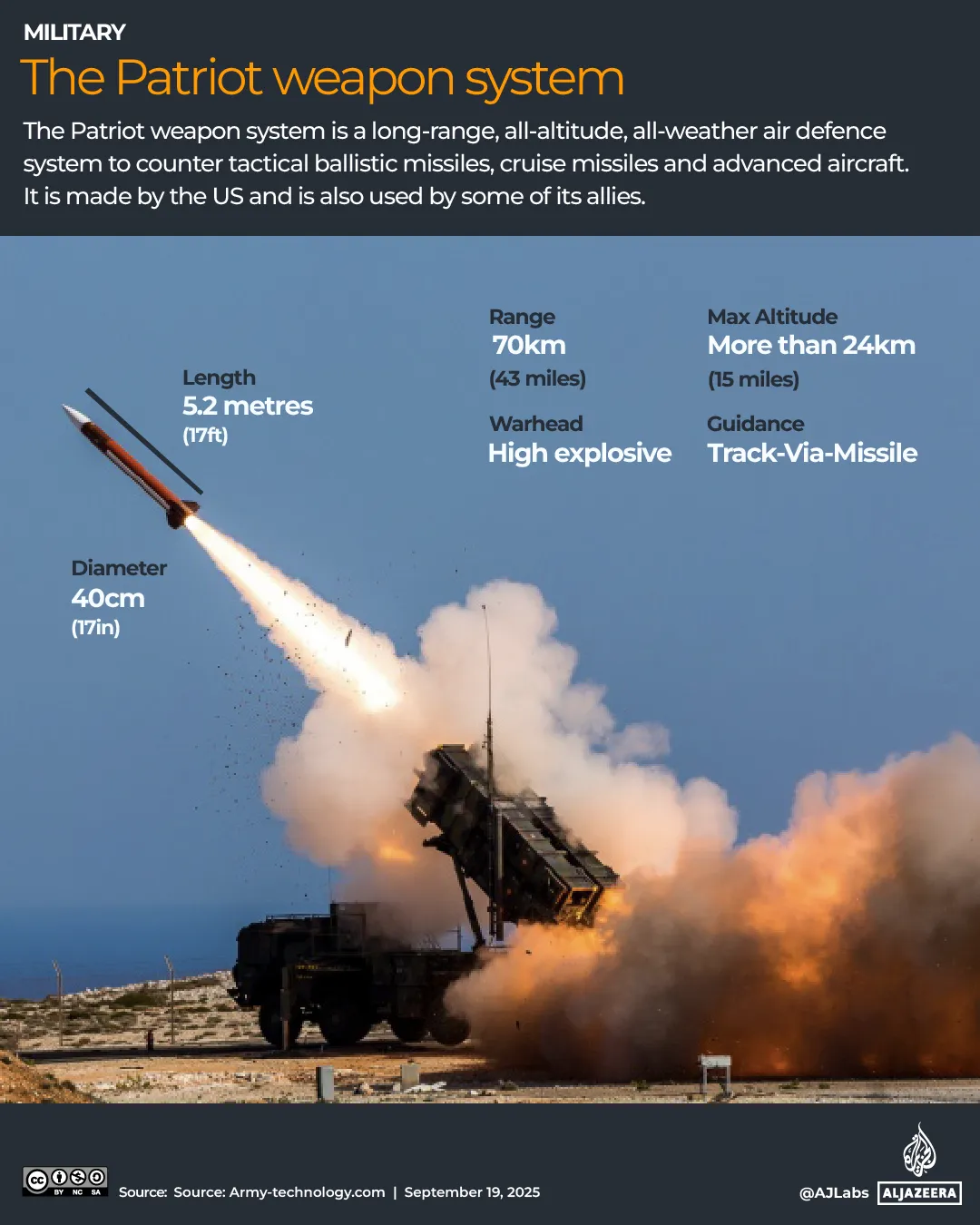
The Iran war funding debate also unfolds against the backdrop of a broader Trump doctrine on allied burden-sharing, most visibly applied in Ukraine. Since returning to office in January 2025, Trump has withdrawn 99 percent of US support to Kyiv. In 2025, Europe contributed approximately $70 billion in military and financial aid to Ukraine while the US contribution fell to just $400 million. In July, Washington struck a deal for Germany to purchase US-made air defence systems, including Patriot batteries, for Ukraine — with European allies footing the bill for a $10 billion weapons package.
The pattern is consistent: Trump has sought to recast American military power as a service with a price tag, rather than a public good underwritten by Washington. From Ukraine to the Persian Gulf, the message to allies has been uniform — if you want US firepower, be prepared to pay for it.
The broader historical record on war financing is mixed. After World War II, the United States invested more than $13 billion through the Marshall Plan to rebuild Western Europe, a strategic expenditure that shaped the post-war international order. Japan paid more than $1 billion in reparations to Asian nations from the 1950s through the 1970s, and both Japan and Germany now spend in excess of $1 billion annually each on the upkeep of US military bases on their soil.
Whether Arab states will accept a similar logic — contributing retroactively to a war they did not initiate — is a question that will test the limits of Washington’s leverage in a region already navigating profound uncertainty.