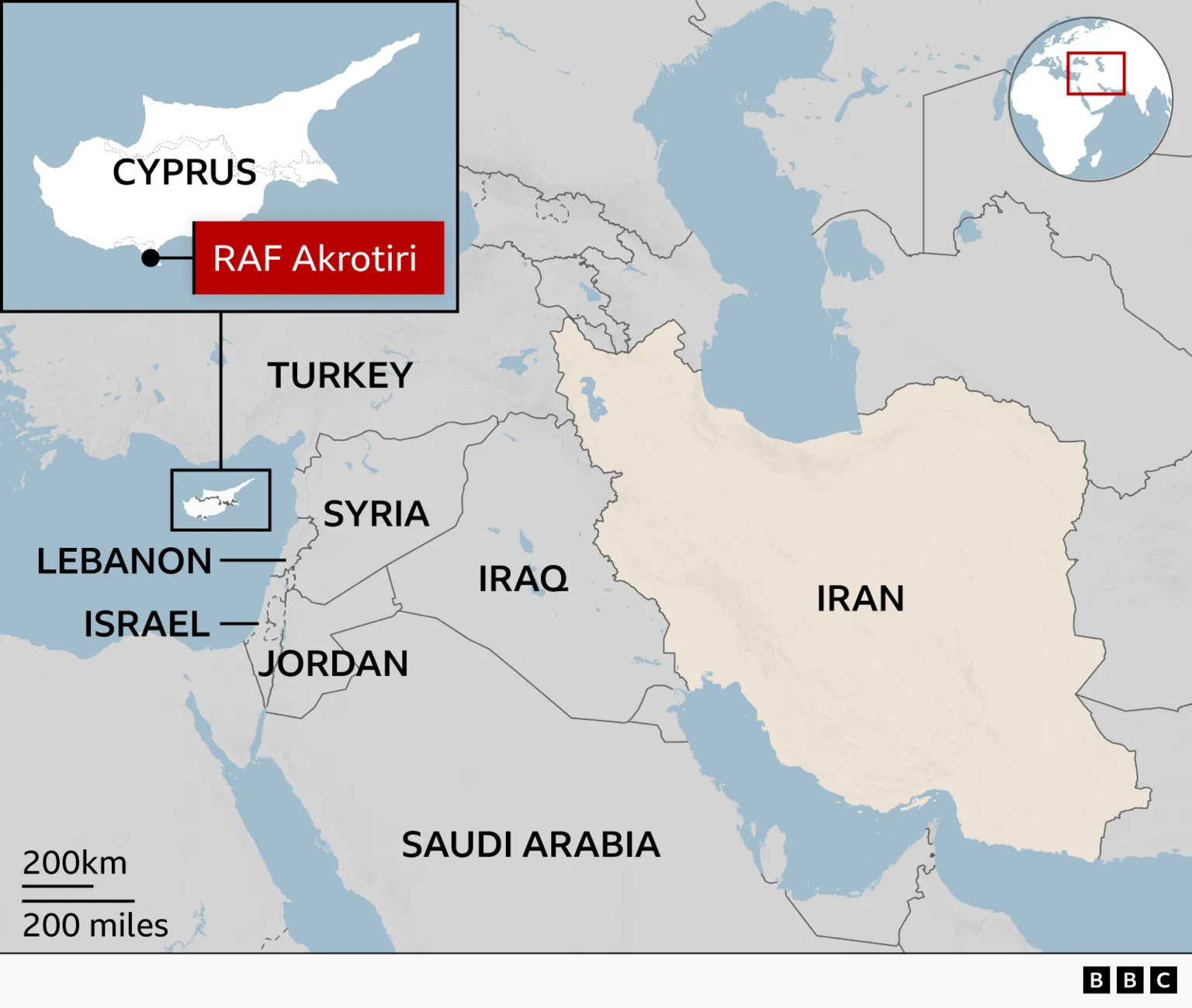
RAF Akrotiri, Britain’s sovereign base on the southern coast of Cyprus, has become an active combat station in the escalating regional conflict, with British jets intercepting and destroying multiple Iranian drones over the past month as part of a classified air defence operation codenamed Operation Luminous.
Typhoon and F-35 fighters operating from Cyprus and Qatar have fired advanced short-range air-to-air missiles — known as ASRAAM — in single figures to neutralise the drone threat, with patrols extending across the skies above Cyprus and Jordan. The intensity of those missions is underscored by the logistics involved: during a single nine-hour sortie, the jets refuelled seven times in the air, drawing a combined 30 tonnes of aviation fuel from an RAF Voyager tanker aircraft.
The urgency of the operation stems in part from a direct strike on the base itself. On the second night of the current conflict, a drone with a two-metre wingspan struck a hangar on the section of RAF Akrotiri used by the United States Air Force — a facility from which the US regularly operates its U-2 high-altitude reconnaissance aircraft. The drone is believed to have been launched from Lebanon.
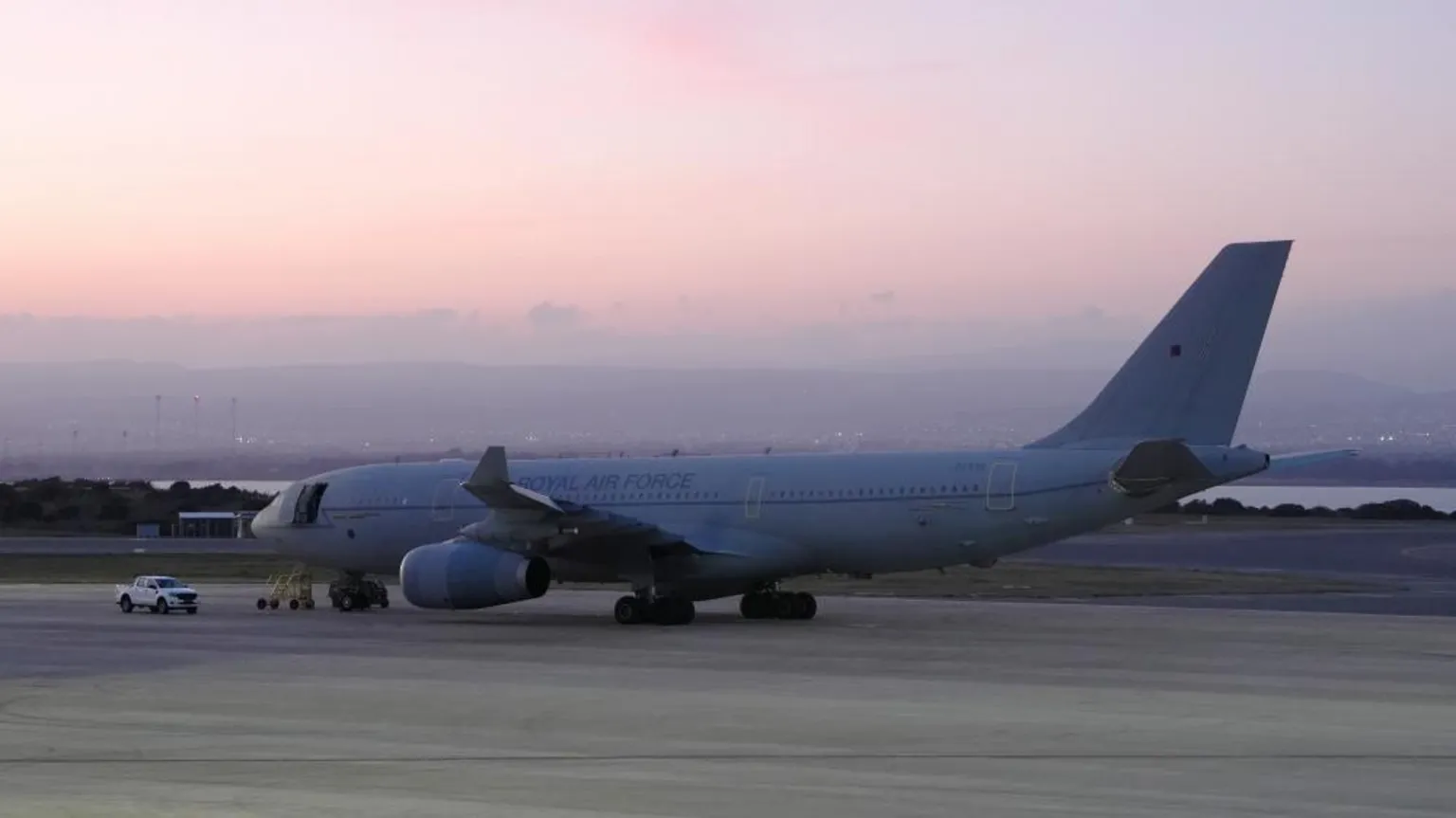
Iran has publicly declared RAF Akrotiri a target, a statement that has reshaped the base’s posture entirely. Maj Gen Tom Bewick, Commander British Forces Cyprus, is overseeing a significant reinforcement of the installation. Sixteen combat aircraft — eight Typhoons and eight F-35s — are now stationed there, supplemented by the recent arrival of Wildcat helicopters fitted with short-range air defence missiles and Merlin helicopters equipped with early warning radar. Offshore, HMS Dragon, a Royal Navy destroyer, is providing an additional layer of air defence from the waters off the Cypriot coast.
"The threat environment has fundamentally changed," said Group Captain Adam Smolak, Station Commander at RAF Akrotiri, reflecting the shift from a support and surveillance hub to an active defensive position in a live conflict.
The operational pivot has come at a cost to other missions. The RAF has paused Operation Shader, its decade-long counter-ISIS campaign in the region, to redirect resources and aircraft toward the defence of Cyprus and regional airspace. The reallocation highlights the difficult choices commanders face as the conflict draws in more actors and demands.
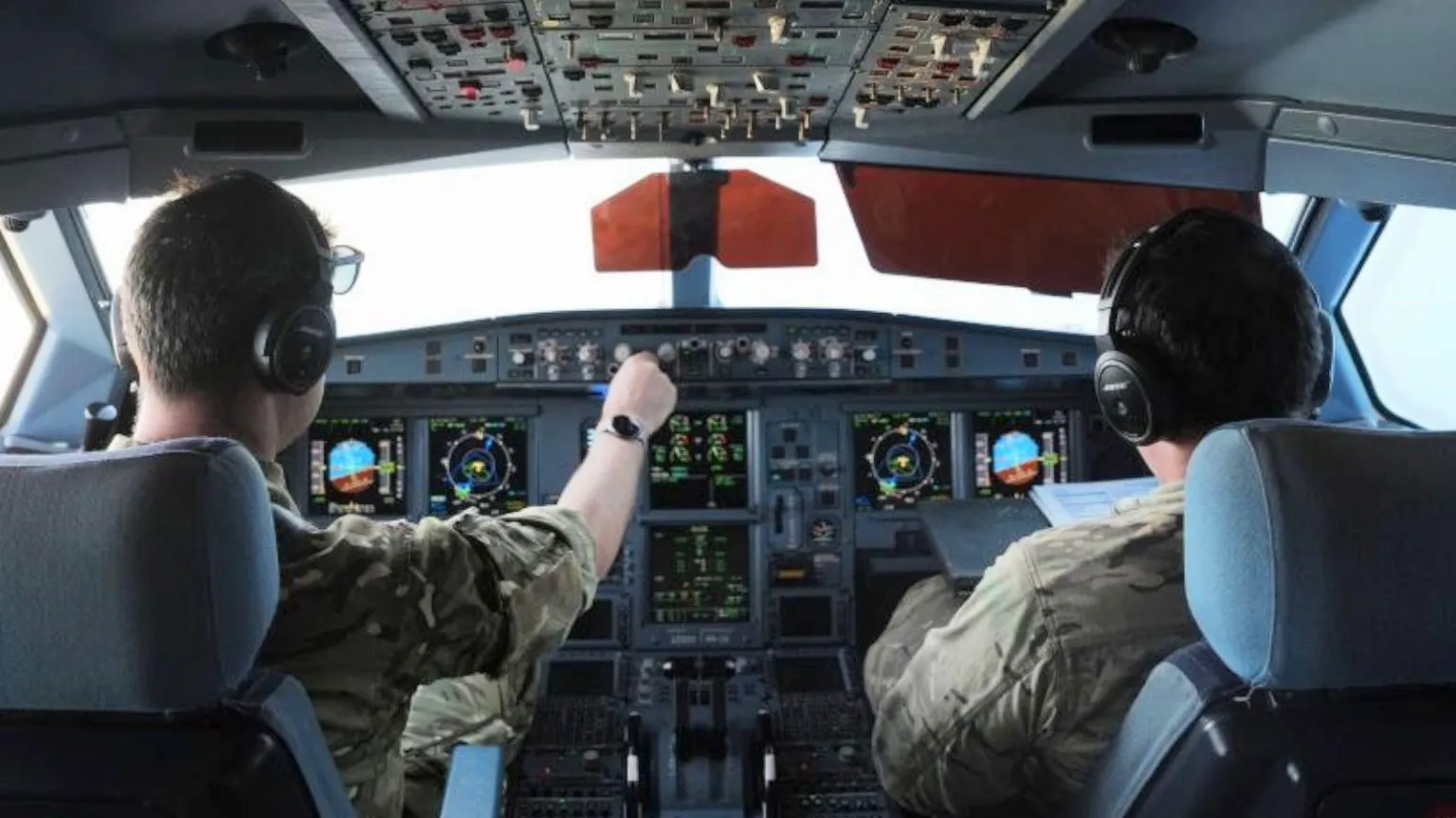
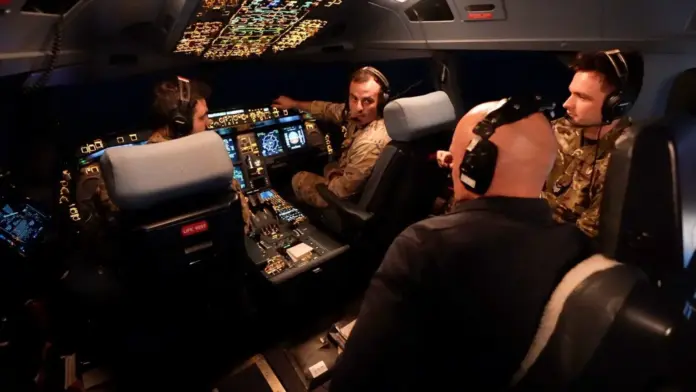
Among those flying the missions is Squadron Leader 'Bally', an RAF F-35 pilot whose unit has been at the forefront of the drone interception effort. The patrols are continuous and demanding, with the Voyager tanker serving as a critical enabler, allowing jets to remain airborne for extended periods without returning to base.
The drone strike and Iran's explicit threats have also generated political turbulence. The President of Cyprus called for open and frank discussions about the future of RAF Akrotiri following the attack, raising questions about the long-term implications of hosting a British military base that has now been drawn into a broader regional confrontation.
On the ground, the base has largely returned to a semblance of normality. Most service families who evacuated following the initial drone strike have since come back, and air raid warnings — once a frequent disruption — have become less common as intelligence gathering and detection capabilities have improved. Some Royal Navy helicopters based at Akrotiri had been scheduled to join HMS Prince of Wales for a planned deployment to the North Atlantic; those plans have been set aside as the helicopters remain in Cyprus to support the defence mission.
The transformation of RAF Akrotiri from a rear-area logistics and surveillance base into an active air defence station reflects the widening arc of the conflict. With Iran having placed the base on its target list and British forces now regularly engaging hostile drones in the skies above the eastern Mediterranean, the sovereign base territory — long a quiet cornerstone of British power projection in the region — finds itself at the centre of a volatile and rapidly evolving crisis.