Six Arab nations issued a sweeping joint condemnation on Wednesday, holding Baghdad directly responsible for cross-border attacks launched by Iran-aligned armed factions from Iraqi territory — a diplomatic broadside that threatens to unravel Iraq’s painstakingly rebuilt relationships with its Gulf neighbours.
Saudi Arabia, the United Arab Emirates, Qatar, Kuwait, Bahrain and Jordan signed the joint statement, which described the strikes as a blatant violation of national sovereignty and international law. The six governments cited UN Security Council Resolution 2817 (2026) — a measure that demands Iran immediately and unconditionally cease attacks or threats against neighbouring states, including those carried out through proxy groups — as having been systematically breached. Invoking Article 51 of the UN Charter, the signatories affirmed their inherent right to self-defence and their authority to take whatever measures are necessary to protect their sovereignty and security.
The statement condemned not only direct Iranian aggression but also the destabilising activities of Iran-aligned sleeper cells and terrorist networks linked to Hezbollah, praising their own armed forces and intelligence agencies for uncovering and dismantling hostile networks operating within their borders.
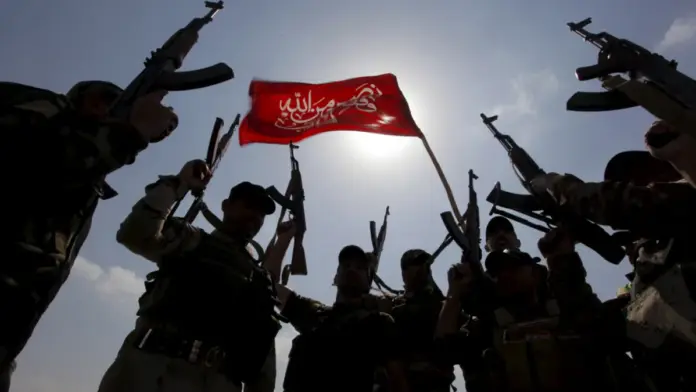
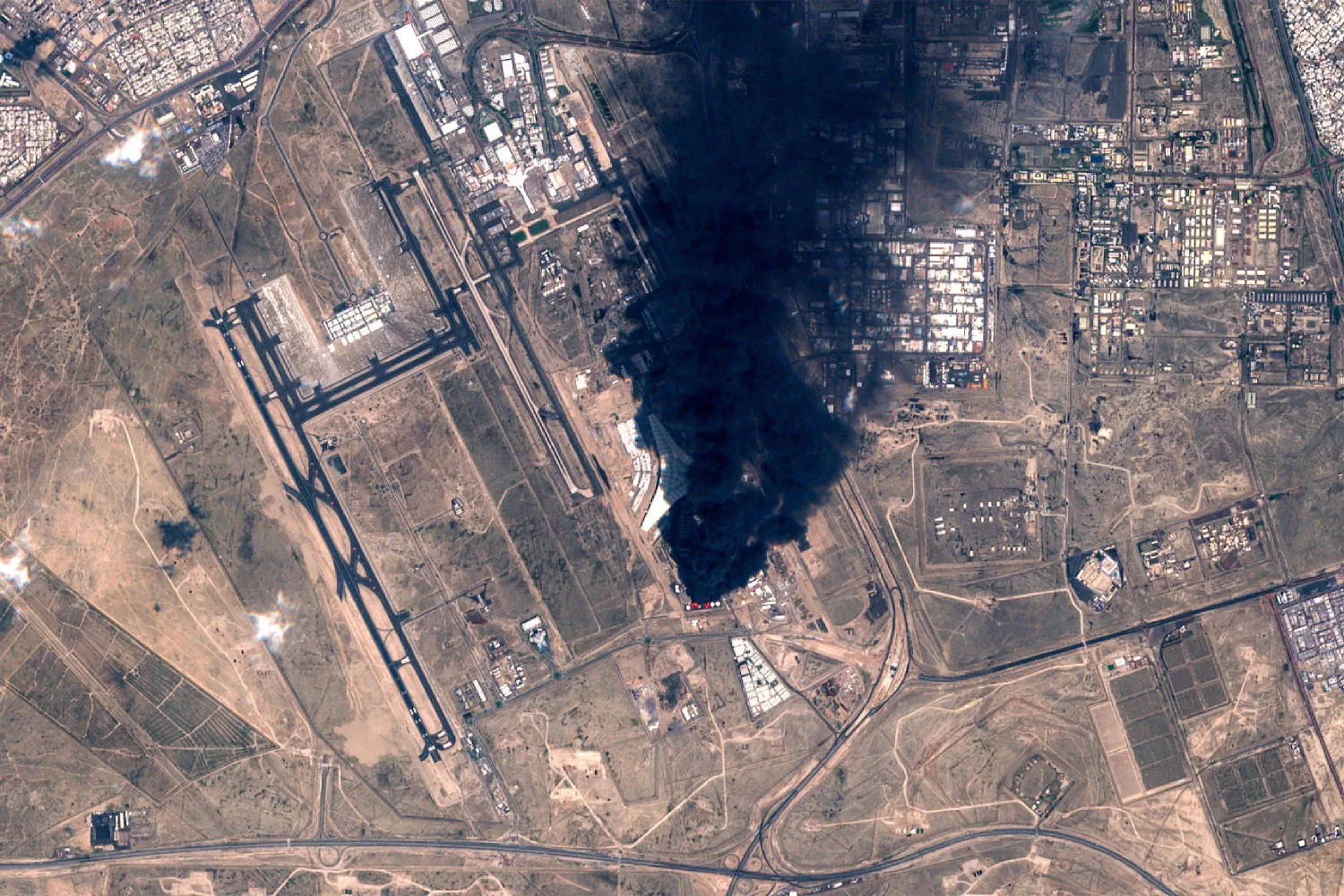
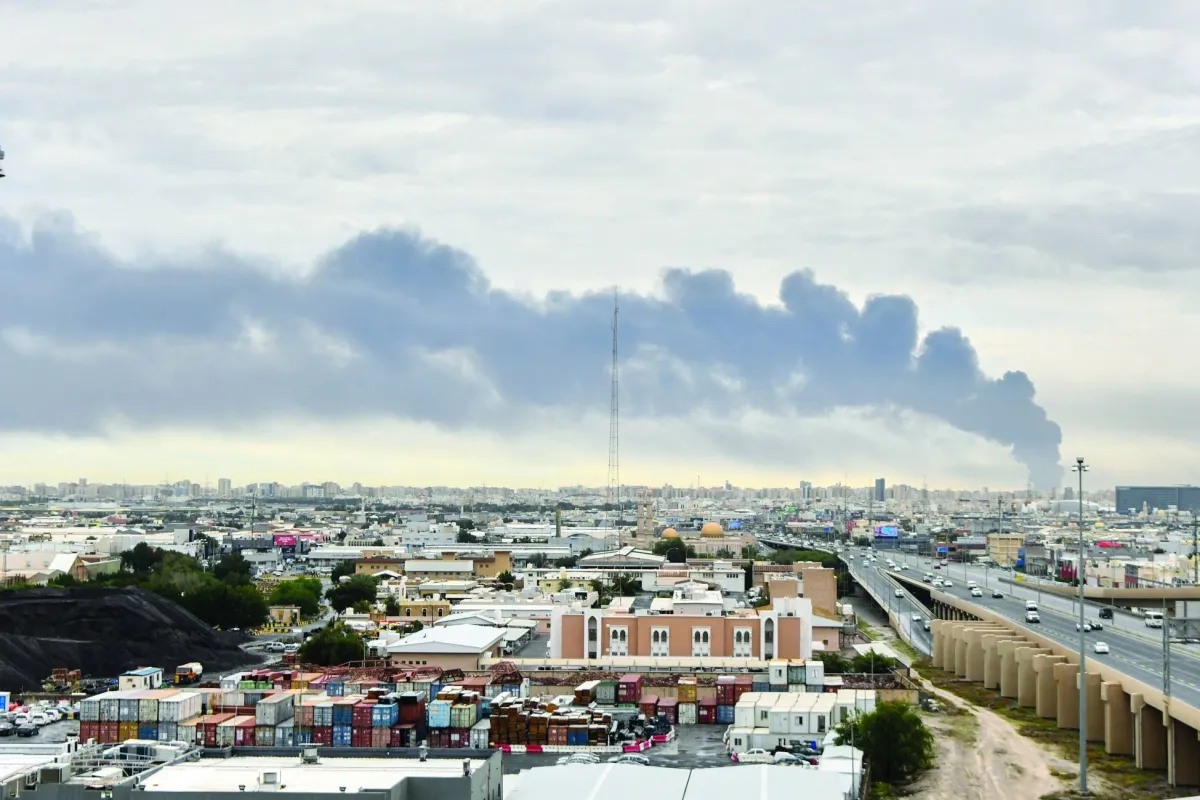
The scale of the campaign is significant. Majed al-Qaisi, a retired Iraqi major-general, confirmed that groups operating under the banner of the Islamic Resistance in Iraq are launching between 21 and 31 operations daily. Since the US-Israel war on Iran began on February 28, Iran-affiliated factions have conducted more than 454 cumulative operations. Drones and missiles have been directed towards the Arabian Peninsula, striking civilian infrastructure including energy facilities, industrial plants and hotels across Gulf states.
Tehran has maintained publicly that it is targeting only US military bases in the region — a claim the six Arab governments flatly reject. Gulf nations have documented repeated strikes against civilian infrastructure, and analysts argue the distinction between military and civilian targeting has become largely academic given the breadth of the attacks.
Khaled al-Jaber, director of the Middle East Council on Global Affairs in Doha, argued that Iran is deliberately using Iraqi armed groups as a mechanism to bypass international resolutions and insulate itself from direct legal accountability. The strategy, he said, allows Tehran to project force across the region while maintaining a degree of plausible deniability under international law.
Ahmed Abdel Mohsen al-Mulaifi, a former Kuwaiti minister and member of parliament, echoed that assessment, warning that Tehran’s reliance on proxies in Iraq, Lebanon and Yemen is not opportunistic but a deliberate and long-standing strategic doctrine. The use of non-state actors, he argued, is designed precisely to complicate the legal and military responses available to targeted states.
Baghdad responded on Thursday, with the Iraqi Ministry of Foreign Affairs rejecting any use of Iraqi territory to target Gulf states or Jordan. The ministry expressed full readiness to receive information or evidence related to the attacks — a gesture analysts interpreted as both conciliatory and defensive. The Iraqi government has acknowledged it is struggling to intervene against the armed factions, many of which operate with considerable autonomy and are deeply embedded in the country’s security and political landscape.
The crisis lays bare a fundamental tension at the heart of Iraqi statehood. Analysts warn that Baghdad’s inability to rein in the factions is actively eroding its sovereignty — not only in the eyes of its Arab neighbours but in the broader international arena. The joint statement from six governments simultaneously urging Iraq to act and invoking the right to self-defence signals that patience among Gulf capitals is wearing thin.
For Iraq, the stakes are considerable. The country has invested years in rebuilding diplomatic and economic ties with Saudi Arabia and the wider Gulf, relationships that were severely damaged during decades of conflict and Iranian influence. The current crisis threatens to reverse those gains, placing Baghdad in the uncomfortable position of being held accountable for actions carried out by armed groups it cannot fully control — and which its own government has publicly disavowed.
The broader regional context remains volatile. With the US-Israel military campaign against Iran now into its second month, the tempo of proxy operations shows no sign of abating, and the diplomatic pressure on Baghdad is likely to intensify as Gulf states weigh their options under the self-defence provisions they have now formally invoked.