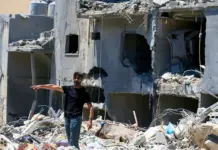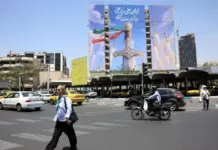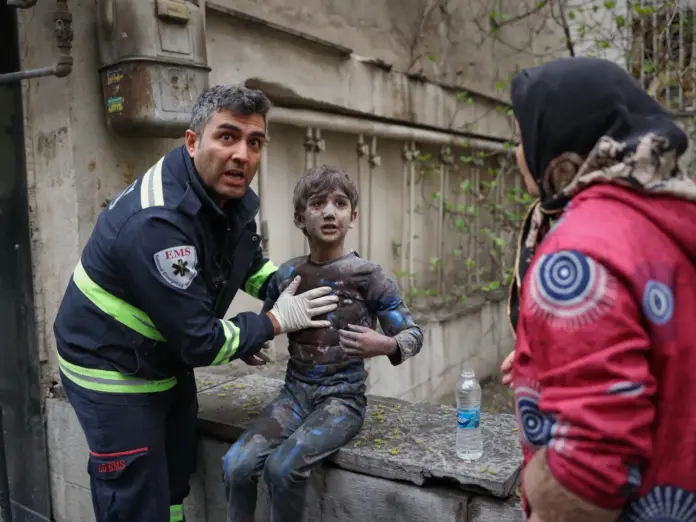
The US-Israeli war on Iran, now entering its second month, escalated sharply over the weekend as strikes hit residential neighbourhoods in Tehran, a university campus, and critical infrastructure across multiple Iranian provinces, while allied and proxy forces opened new fronts from Yemen to Lebanon.
Iran’s Ministry of Health confirmed that 1,937 people have been killed since hostilities began on February 28, among them 230 children. The country’s Red Crescent Society reported that US-Israeli strikes have damaged more than 93,000 civilian properties nationwide — a toll that has drawn antiwar protests in Tel Aviv and cities across the United States.
The latest strikes hit the Sa’adat Abad neighbourhood in northern Tehran, wounding three people, and a residential area in western Tehran, where nine others were injured. Iranian media reported at least five people killed in a separate attack on a residential building in Zanjan. In Bushehr province, a family of four was killed. The University of Science and Technology in Tehran was also struck, prompting Iran’s Revolutionary Guard Corps to threaten retaliatory attacks on Israeli and US universities operating across the Middle East.
Critical infrastructure was not spared. A water reservoir in Haftgel, in western Khuzestan province, was struck, raising alarm over the targeting of civilian utilities. The Israeli military separately claimed it destroyed an Iranian research facility developing naval weapons. Iranian attacks, meanwhile, damaged aluminium facilities in Bahrain and the United Arab Emirates, signalling Tehran’s willingness to strike Gulf economic assets.
On the ground in Iran, the Pentagon is preparing for weeks of sustained operations. 3,500 troops from the 31st Marine Expeditionary Unit arrived in the region aboard the USS Tripoli on March 27, with thousands more soldiers from the 82nd Airborne Division expected to follow. US Secretary of State Marco Rubio stated that Washington anticipated concluding its military campaign within weeks, though the scale of the deployment suggests a prolonged commitment.
President Trump separately threatened to strike Iranian power stations and energy infrastructure if Tehran does not fully reopen the Strait of Hormuz — a chokepoint through which roughly a fifth of the world’s oil flows — while extending his deadline for Iran’s compliance by ten days.
The conflict’s reach extended dramatically on Saturday when Yemen’s Houthis launched their first-ever missile and drone attacks directly against Israel, conducting two separate assaults within fewer than 24 hours. The Israeli military said both attacks were intercepted, including a drone downed over the port city of Eilat. The Houthis, who control much of northern Yemen and previously disrupted approximately $1 trillion in annual Red Sea shipping traffic during Israel’s war on Gaza, pledged to continue fighting in solidarity with resistance forces in Palestine, Lebanon, Iraq, and Iran.
In northern Israel, Hezbollah struck the Ein Shemer Airfield and the Regavim military camp at 11:45pm local time on Saturday. A missile fired from Iran struck the town of Beit Shemesh in central Israel, injuring 11 people. A drone also fell near Al-Wathiq Square in the Karada neighbourhood of Baghdad, underscoring the conflict’s spread into Iraqi territory.
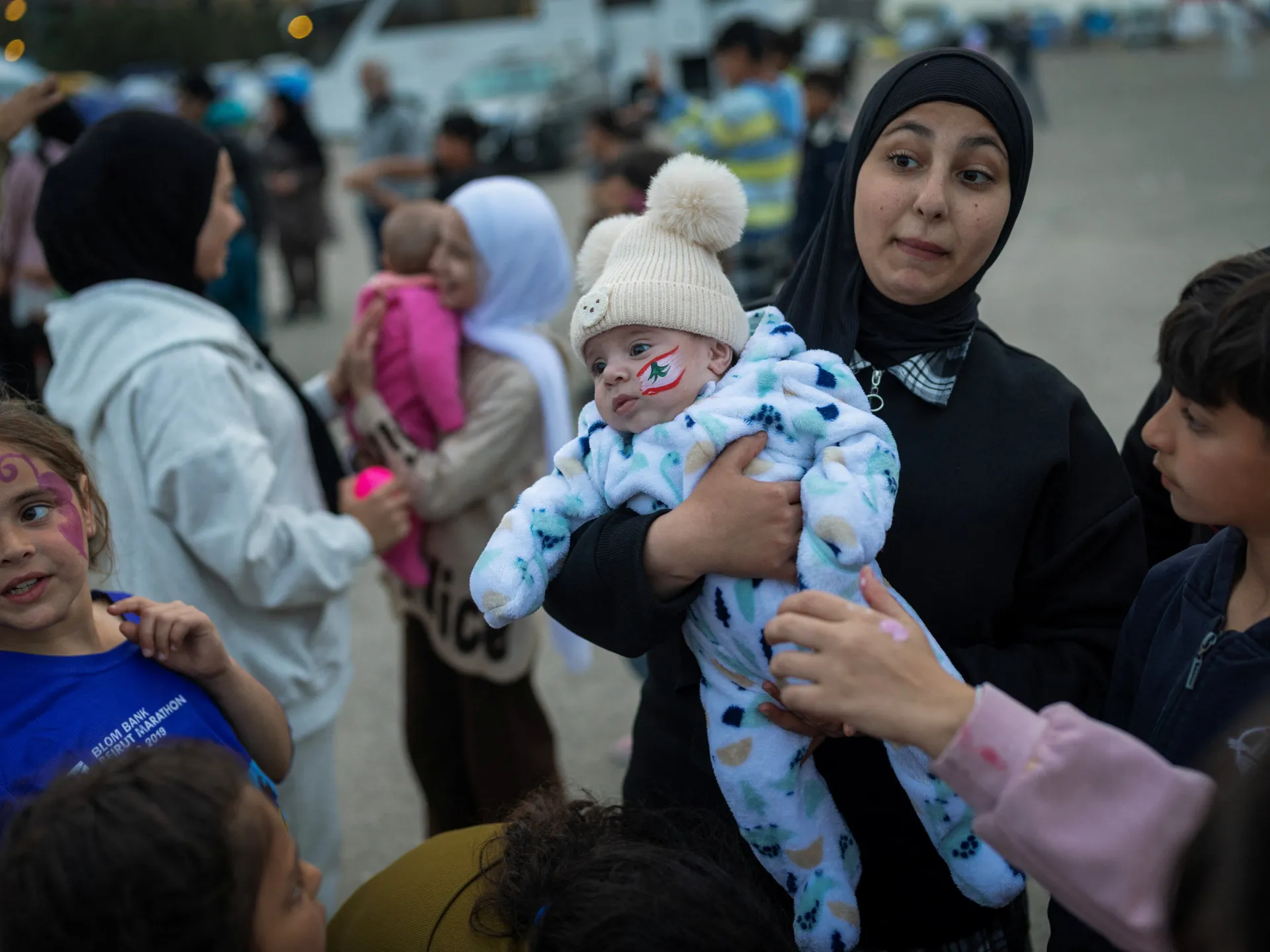
Israeli forces continued their advance into southern Lebanon, pushing towards the Litani River amid sustained fighting along the border. The Lebanese Ministry of Health reported 1,189 people killed in Israeli attacks since March 2. Among the dead are nine paramedics, bringing the total of healthcare workers killed to 51. Three journalists died in a targeted Israeli strike in southern Lebanon on Saturday. An Israeli air raid on al-Haniyah in the Tyre district killed at least seven people, including one child, while a strike on Deir al-Zahrani killed a Lebanese soldier.
In Gaza, Israeli air strikes on two police checkpoints in Khan Younis killed at least six Palestinians — three policemen and three civilians, including a child — wounding four others. Since a US-brokered ceasefire collapsed in November, Israeli forces have killed 692 Palestinians and wounded 1,895 more in the territory.
Diplomatic activity is intensifying in parallel with the fighting. The foreign ministers of Egypt and Turkey arrived in Islamabad for emergency consultations on the regional situation. Qatar and Ukraine signed a defence treaty covering the exchange of expertise on countering missiles and drones — a deal that reflects how the conflict’s technological dimensions are reshaping partnerships far beyond the immediate theatre of war.
With Iran vowing retaliation, US troop deployments accelerating, and proxy forces from Yemen to Lebanon now actively engaged, the conflict shows no signs of containment. The humanitarian cost continues to climb on every front.