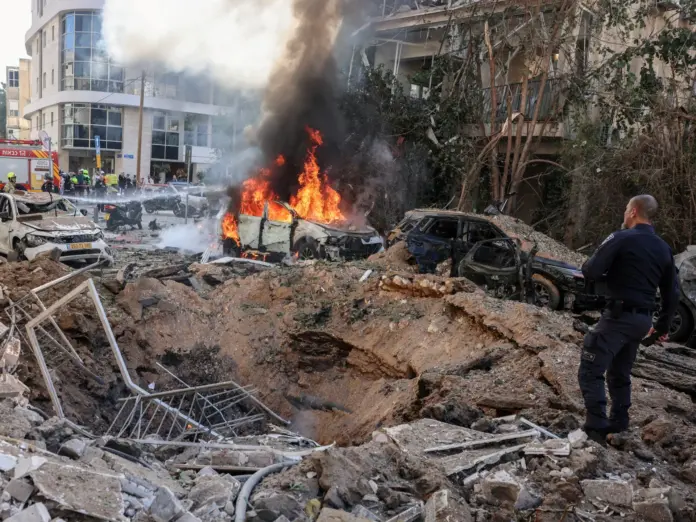
Washington / Tehran — US President Donald Trump announced Thursday a second postponement of planned strikes on Iran’s energy infrastructure, extending the deadline by ten days to April 6 at 8 PM Eastern Time, as a widening regional war continues to claim lives across the Middle East and disrupt a critical global oil corridor.
Trump cited what he described as productive diplomatic conversations as justification for the delay — a characterisation Iran flatly rejected. Tehran denied that any talks with Washington are currently taking place, even as Pakistan’s Foreign Minister Ishaq Dar publicly confirmed that Islamabad is actively relaying messages between US and Iranian officials. Turkey and Egypt are also lending support to the mediation effort, reflecting growing international anxiety over the conflict’s trajectory.
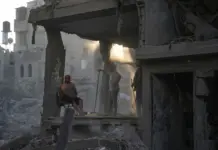
The war began on February 28, when the United States and Israel launched coordinated strikes on Iran — attacks that legal experts have characterised as an act of unprovoked aggression. Since then, at least 1,937 people have been killed inside Iran, according to the country’s Deputy Health Minister Ali Jafarian. Thirteen US military personnel have also died in the fighting, with dozens more casualties reported across the broader region.
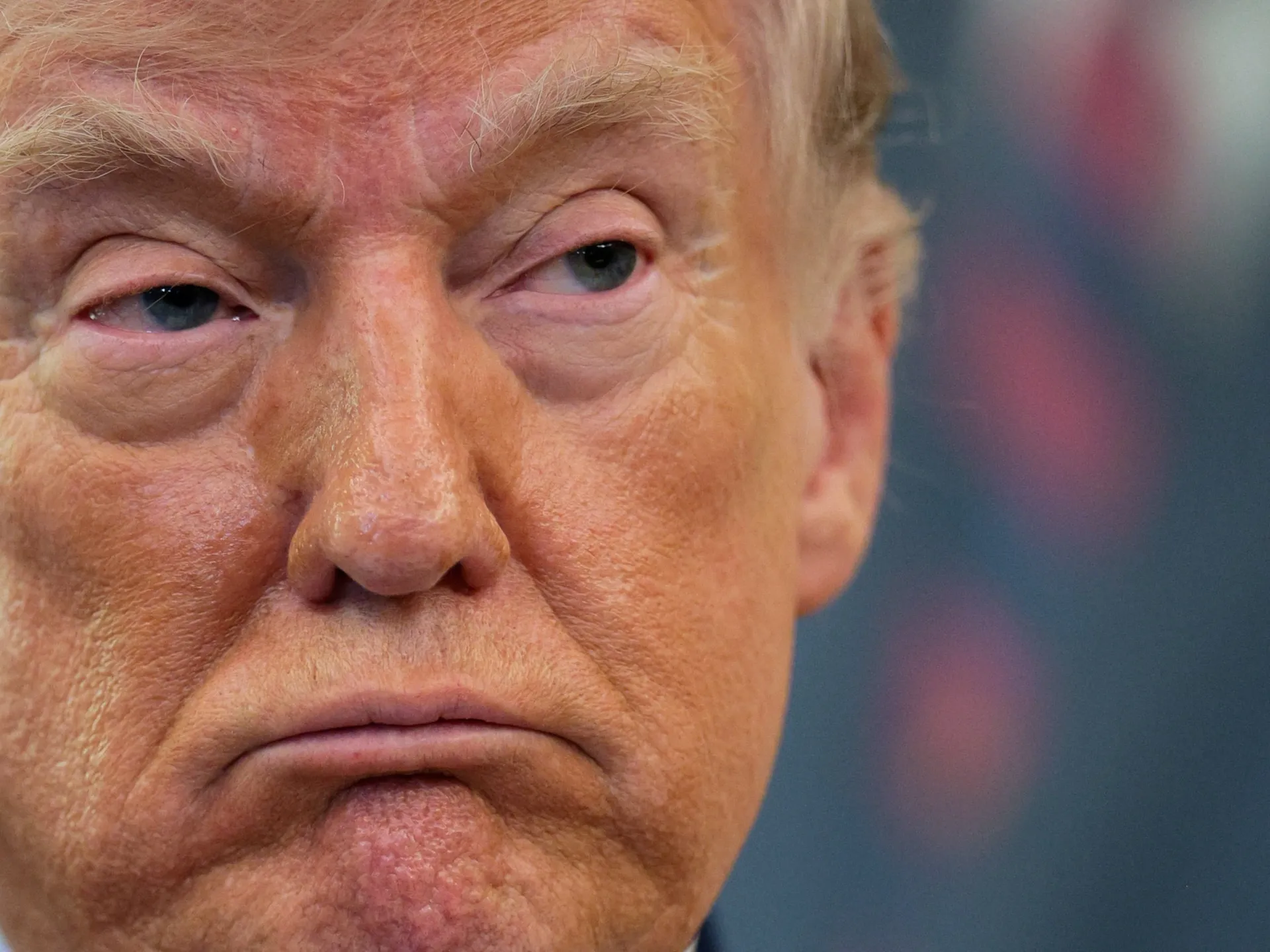
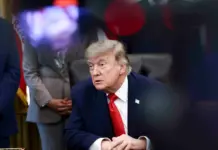
Trump’s latest postponement is the second of its kind within days. On Sunday, he threatened to strike Iran’s power grid — declaring he would target energy plants, starting with the largest, if Tehran did not reopen the Strait of Hormuz within 48 hours. On Monday, he extended that deadline by five days, citing what he called good and productive conversations. Thursday’s announcement pushed the clock back a further ten days. At a cabinet meeting earlier in the week, Trump claimed Iran was "begging" for a deal, while Washington has presented a 15-point ceasefire framework that an unnamed senior Iranian official described as "one-sided and unfair."
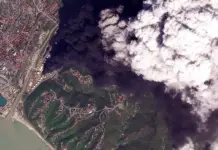
The Strait of Hormuz remains at the centre of the crisis. More than one-fifth of the world’s oil supply transits the narrow waterway, and traffic has largely ground to a halt amid threats to oil tankers. Iranian Foreign Minister Abbas Araghchi defended Tehran’s position, stating that preventing passage of what he termed "enemy" vessels is Iran’s legal right as a coastal state, and attributing the strait’s instability directly to US and Israeli aggression.
Trump has called on allies to help reopen the waterway but has encountered significant scepticism from NATO partners and other traditional allies. The threat to bomb Iranian power stations has drawn sharp condemnation from Amnesty International, which described the plans as "a threat to commit war crimes" — a charge reinforced by legal scholars who note that deliberately targeting civilian infrastructure violates the Geneva Conventions. The International Atomic Energy Agency chief Rafael Grossi added a further dimension of alarm, warning that strikes near Iran’s Bushehr Nuclear Power Plant risk triggering a major radiological accident.
The conflict has already left cultural scars. Iran’s UNESCO-listed Golestan Palace in Tehran was damaged in the early days of the war, a loss that drew international condemnation.

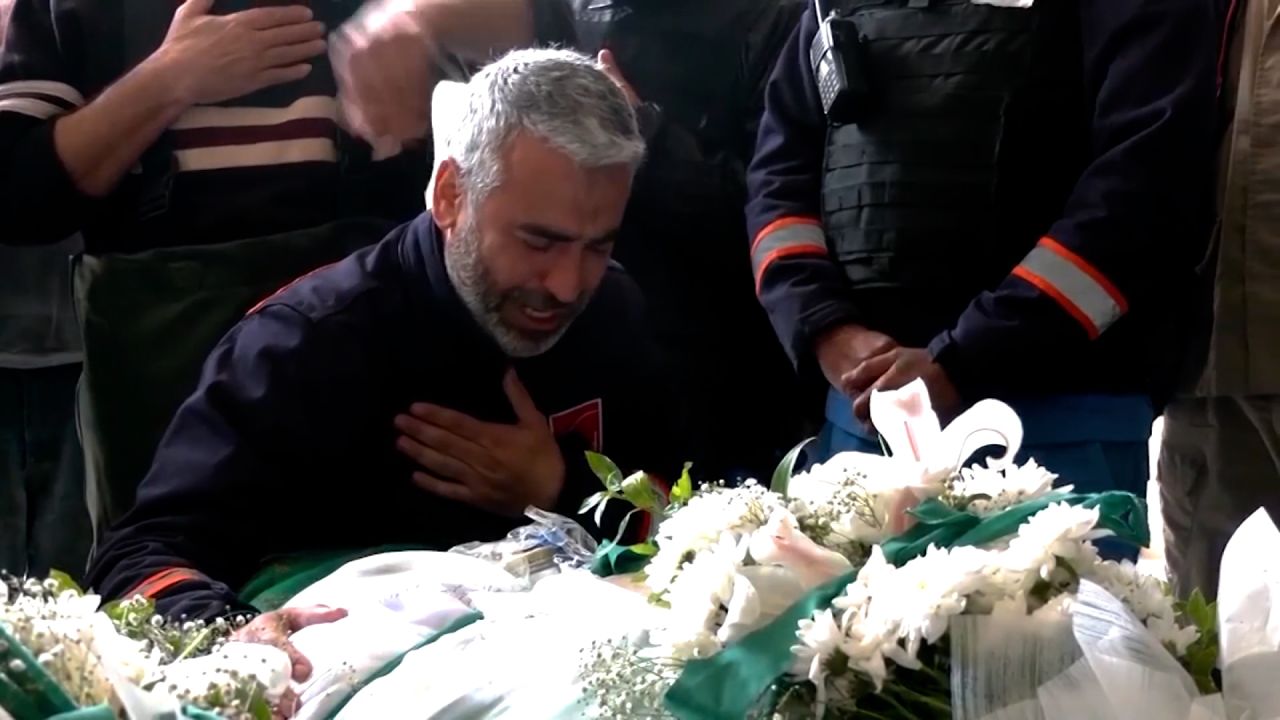
The war’s reach extends well beyond Iran’s borders. In Lebanon, Israeli forces have killed at least 1,116 people since March 2, according to the country’s Health Ministry. Israel has issued displacement orders for all residents living south of the Zahrani River, roughly 50 kilometres from the Israeli border. Prime Minister Benjamin Netanyahu framed the ground operation as an effort to establish a buffer zone, while Lebanese Prime Minister Nawaf Salam urged the United Nations to act against Israeli ministers who have threatened to occupy territory south of the Litani River.
The Pentagon is weighing the deployment of up to 10,000 additional ground troops to the region. Approximately 5,000 Marines and some 2,000 paratroopers from the 82nd Airborne Division have already been ordered to the Middle East. Air defence systems in Sharjah, UAE responded to a missile threat, and Kuwait’s National Guard reported shooting down two drones, underscoring how the conflict is rippling outward across the Gulf.
Diplomatic activity is intensifying at the highest levels. Saudi Crown Prince Mohammed bin Salman met with Ukrainian President Volodymyr Zelenskyy in Jeddah to discuss regional and international developments. Zelenskyy had previously announced that hundreds of Ukrainian military drone experts have been deployed in the Gulf to assist in intercepting Iranian drones — a notable entanglement of two separate but increasingly interconnected conflicts.
The parallel with Ukraine is not lost on observers. Russian President Vladimir Putin justified attacks on Ukrainian energy infrastructure by arguing it would degrade Kyiv’s military industrial capacity — a rationale the International Criminal Court rejected when it issued arrest warrants over those strikes. Critics note the uncomfortable symmetry with Washington’s current threats against Iranian power plants.
Pakistan, which has one of the largest Shia Muslim populations outside Iran, faces particular domestic sensitivity as it navigates its mediating role. Whether its back-channel efforts, alongside those of Turkey and Egypt, can bridge the gap between a US ceasefire framework Tehran considers unacceptable and a White House that has twice pulled back from the brink of escalation remains the defining question of a conflict with no clear end in sight.