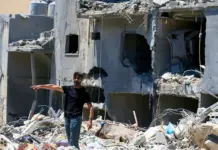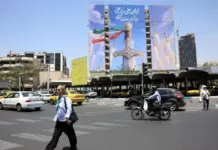
TEHRAN/WASHINGTON — Iran’s foreign minister has categorically rejected peace negotiations with the United States, directly contradicting White House claims that talks are underway, as the US-Israel military campaign against the Islamic Republic entered its 27th day Thursday with strikes intensifying across the region and global energy markets under severe strain.
Abbas Araghchi told Iranian state media Wednesday that Tehran is not engaged in direct talks with Washington and has no intention of negotiating. He framed any American desire for a deal as "an admission of defeat," vowing that Iran would continue its "resistance" against what he described as US aggression. The statement stands in sharp contrast to President Donald Trump‘s repeated assertions that Iranian leaders want to make a deal "so badly."
The White House maintained Thursday that negotiations are proceeding, even after Tehran declined to immediately accept a 15-point plan Trump shared Wednesday to end the war — a proposal that briefly eased oil prices before markets reversed course. White House Press Secretary Karoline Leavitt warned Wednesday that Iran would be "hit harder than ever before" if it did not accept military defeat, while Trump separately threatened to "unleash hell" on Tehran should it refuse a settlement.
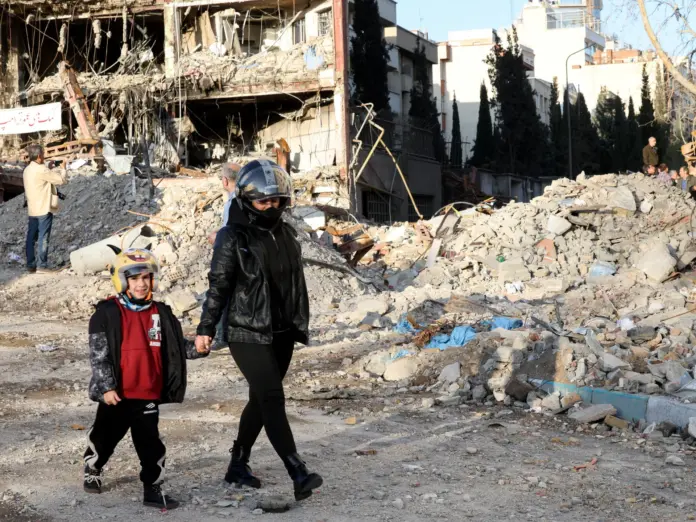
On the battlefield, the pace of strikes is accelerating. An Al Jazeera correspondent in Tehran described attacks as "increasing in number and in intensity." Israel announced extensive strikes on central Isfahan, while a US military officer confirmed that American forces have now destroyed approximately two-thirds of Iran’s production facilities for missiles and drones. Iranian media reported that two teenage boys were killed in a US-Israeli strike on a residential area in Shiraz county.
Iran launched retaliatory strikes against Israel and several Gulf states on Thursday. Israeli military forces detected two separate salvos of Iranian missiles heading toward the country within a span of less than 30 minutes Thursday morning, with Iranian projectiles continuing to target central and northern Israel. Hezbollah, whose Secretary-General Naim Qassem declared the group is fighting a war against both the US and Israel, fired volleys of rockets into the Western Galilee region. Israeli ground troops have crossed into Lebanese territory and are engaged in active combat.
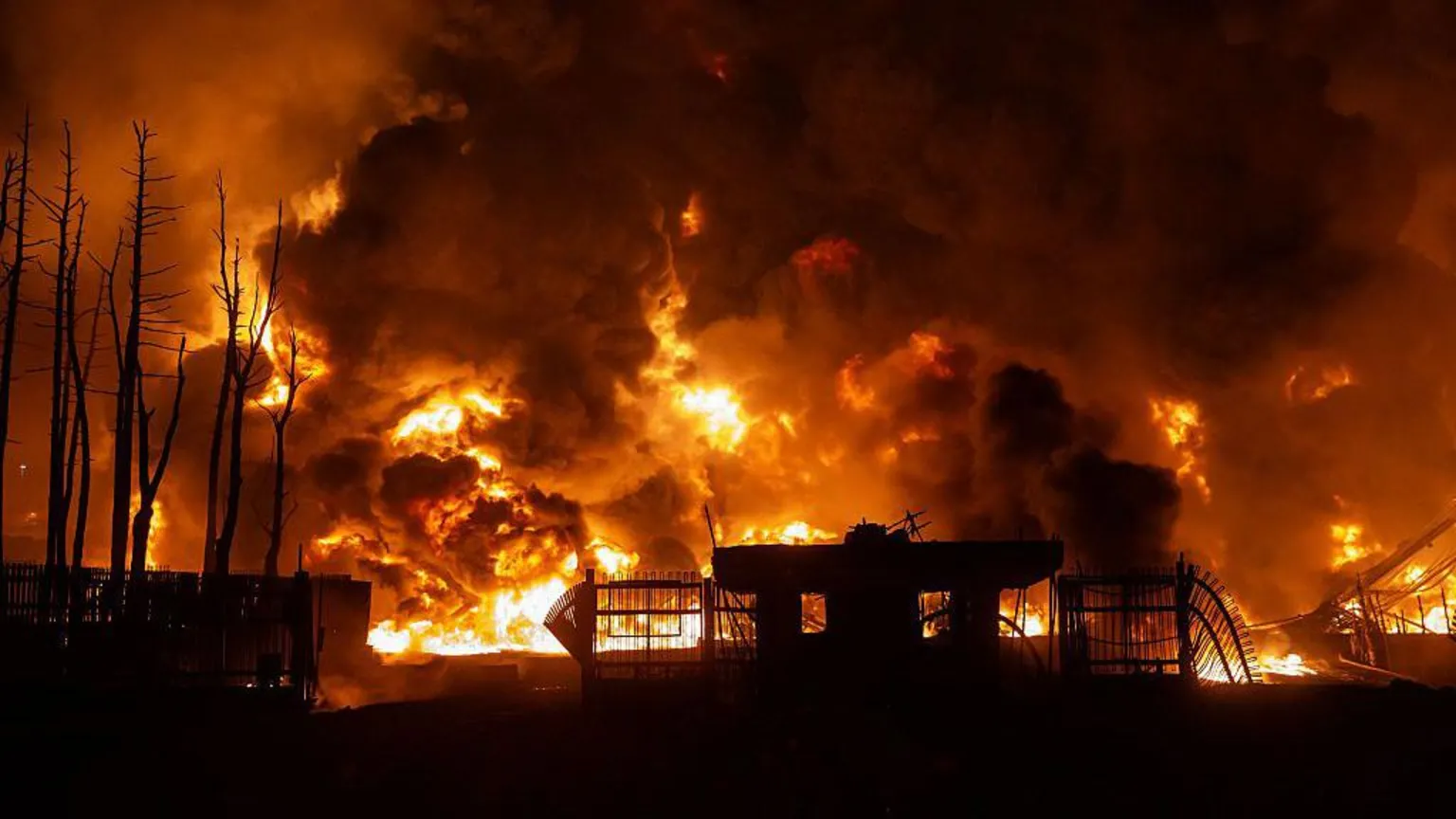
The conflict’s reach across the Gulf is widening. Saudi Arabia‘s air defence systems intercepted and destroyed at least two dozen drones targeting its Eastern Province on Wednesday, with a further drone destroyed Thursday morning. The UAE‘s Defence Ministry confirmed its air defence systems have been continuously intercepting incoming Iranian missiles and drones. A fire broke out at a facility in Bahrain’s Muharraq Governorate, which Bahraini authorities attributed to Iranian aggression. In Kuwait, authorities arrested six individuals allegedly linked to Hezbollah and accused of planning assassinations.
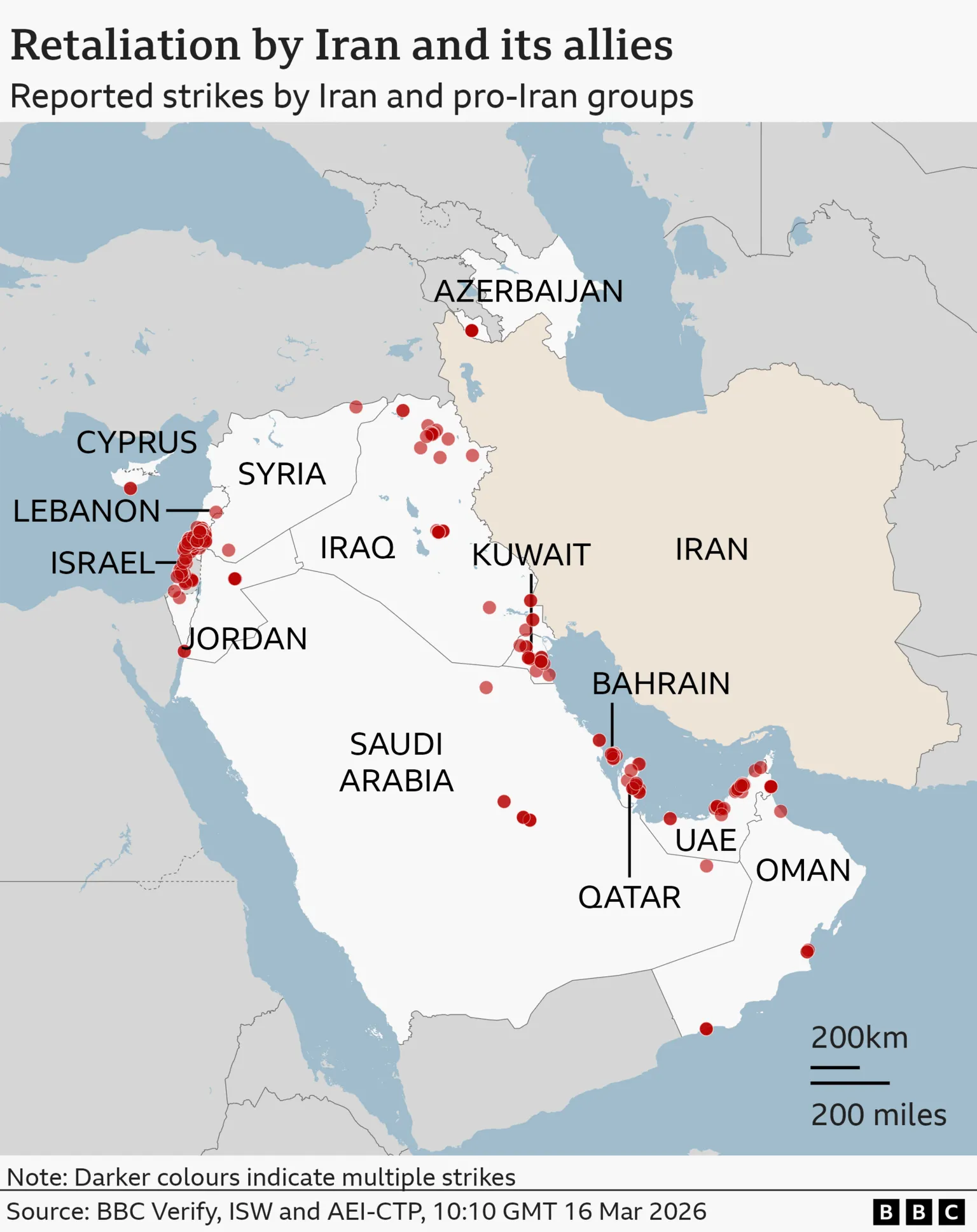
Gulf states and Jordan have jointly urged Iraq to prevent pro-Iranian armed groups from launching attacks from its territory, reflecting growing regional alarm at the conflict’s spread. Tehran, meanwhile, warned that unnamed enemies — backed by an unspecified regional country — may attempt to occupy one of its islands.
The economic consequences of the war are cascading globally. The Strait of Hormuz, a waterway that normally carries one-fifth of the world’s oil supply, has effectively shut down. Before the conflict began on February 28, an average of 120 vessels transited the strait daily; by Tuesday, maritime tracking systems recorded just four. Tehran claims the strait remains open to ships not aligned with its enemies, and the Iranian parliament is drafting legislation to impose tolls and duties on any vessels that do transit.
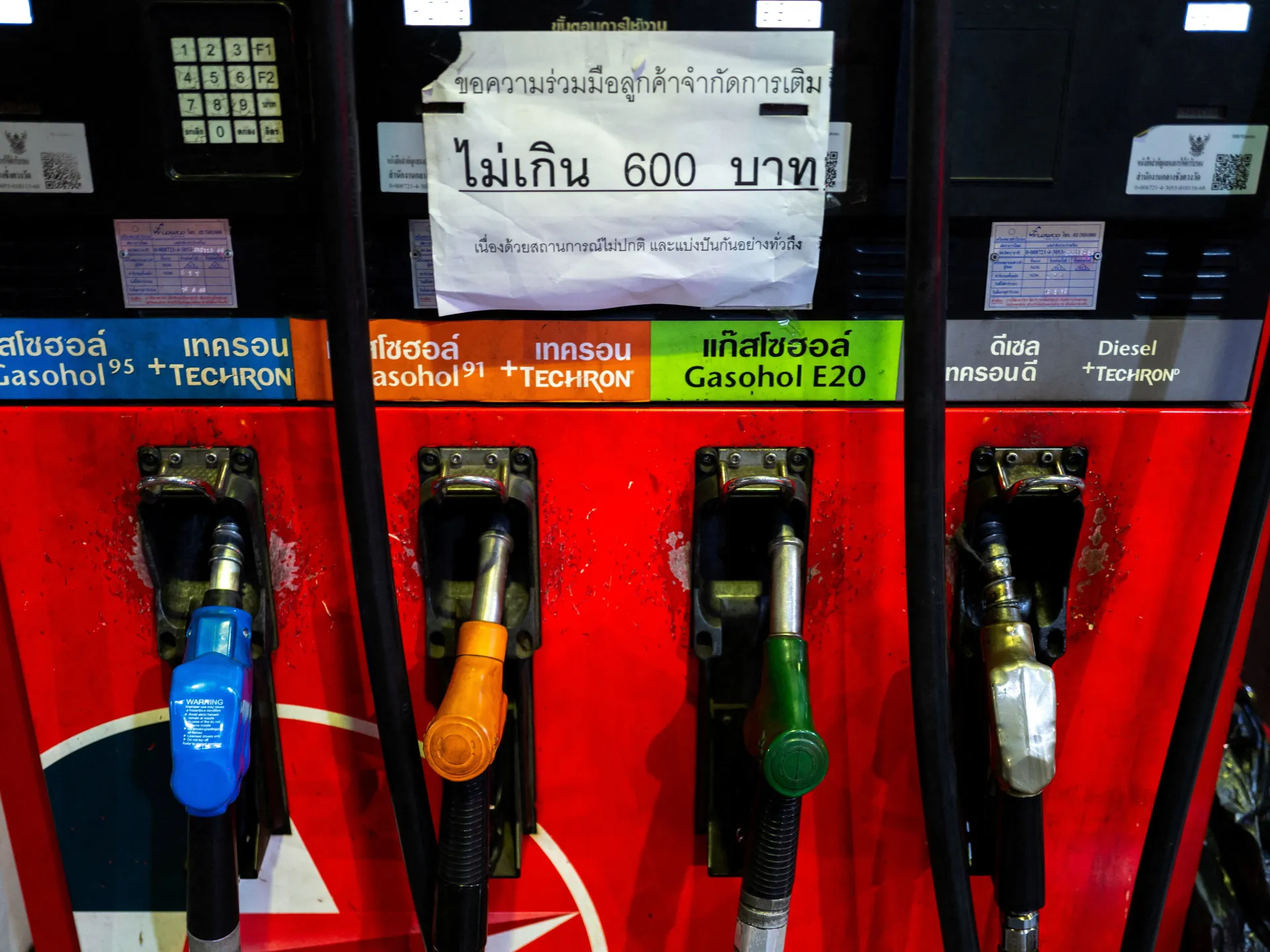
Brent crude climbed nearly 2 percent Thursday to top $104 per barrel — more than 40 percent above pre-war levels. Global food prices are also rising in tandem with energy costs. Asian equity markets opened Thursday in the red, with Japan’s Nikkei 225, South Korea’s KOSPI, and Hong Kong’s Hang Seng Index all posting losses. The International Energy Agency has coordinated emergency stockpile releases among member nations in an attempt to cushion the supply shock, and numerous countries have introduced fuel rationing. Market analysts warn that prices are unlikely to stabilise until shipping can move freely through the Strait of Hormuz once again.
Australia has banned visitors from Iran amid the escalating conflict. Russia condemned a second US-Israeli strike on Iran’s Bushehr nuclear reactor, adding a further diplomatic dimension to a crisis that shows no sign of resolution. The war began February 28 when the United States and Israel launched coordinated strikes on Iranian territory, triggering the chain of retaliatory exchanges that has since reshaped the security architecture of the entire Middle East.