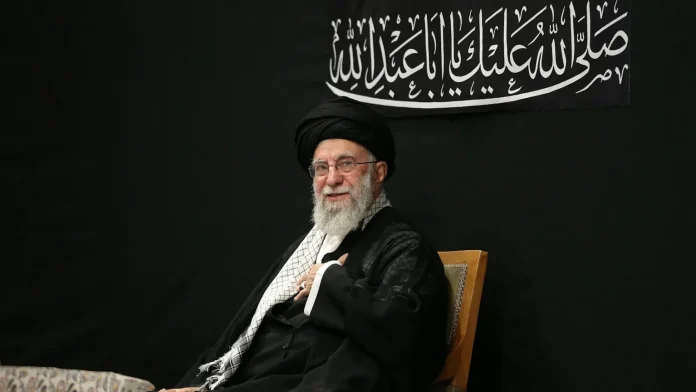
Iran’s Supreme Leader, Ayatollah Ali Khamenei, made his first public appearance since the conflict with Israel began, state outlets reported. Television footage showed him at a mosque on Saturday, attending a ceremony ahead of the Shia Ashura festival. Previously, Khamenei had been seen only in a recorded address after a ceasefire was declared at the end of the 12-day conflict that started on June 13, during which key Iranian figures, including military commanders and nuclear scientists, were killed. Israel had launched unexpected strikes on Iranian nuclear and military locations, prompting Iran to respond with air attacks on Israel.
Throughout the conflict, Khamenei appeared in three televised messages, with rumors circulating that he was hiding underground. After the ceasefire on June 26, he made a video statement claiming “victory” and suggested that the US gained nothing from its attacks on Iran’s nuclear sites. US President Donald Trump refuted Khamenei’s claims, stating that Iran’s nuclear facilities were severely damaged and that he had prevented a dire fate for the Iranian leader. Iranian media prominently featured Khamenei’s return, broadcasting clips of supporters celebrating his presence.
In a gesture to the crowd, Khamenei encouraged senior cleric Mahmoud Karimi to sing a patriotic anthem, which gained popularity during the conflict. The video was reportedly filmed at Tehran’s Imam Khomeini Mosque. Iranian TV invited the public to share videos of their reactions to Khamenei’s reemergence. His appearance coincided with the Shia month of Muharram, a period of mourning that traditionally sees participation from the supreme leader.
This year’s Ashura, falling on July 6, marks the remembrance of the death of Prophet Muhammad’s grandson, Hossein. The US entered the conflict with strikes on Iranian nuclear sites on June 22, involving 125 military aircraft targeting Fordo, Natanz, and Isfahan facilities. Iran’s judiciary reported over 900 casualties from the conflict. Political leaders, including Benjamin Netanyahu, commented on negotiations for a ceasefire deal accepted by Israel.
An Israeli intelligence expert highlighted the role of technology and innovation during the 12-day conflict. Meanwhile, incidents continued, including an attack on an aid center in Khan Younis.