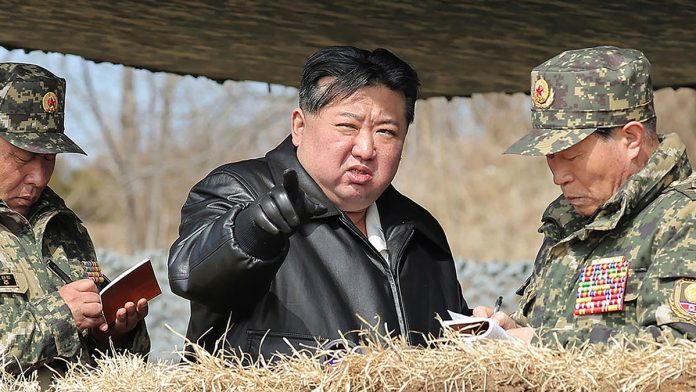
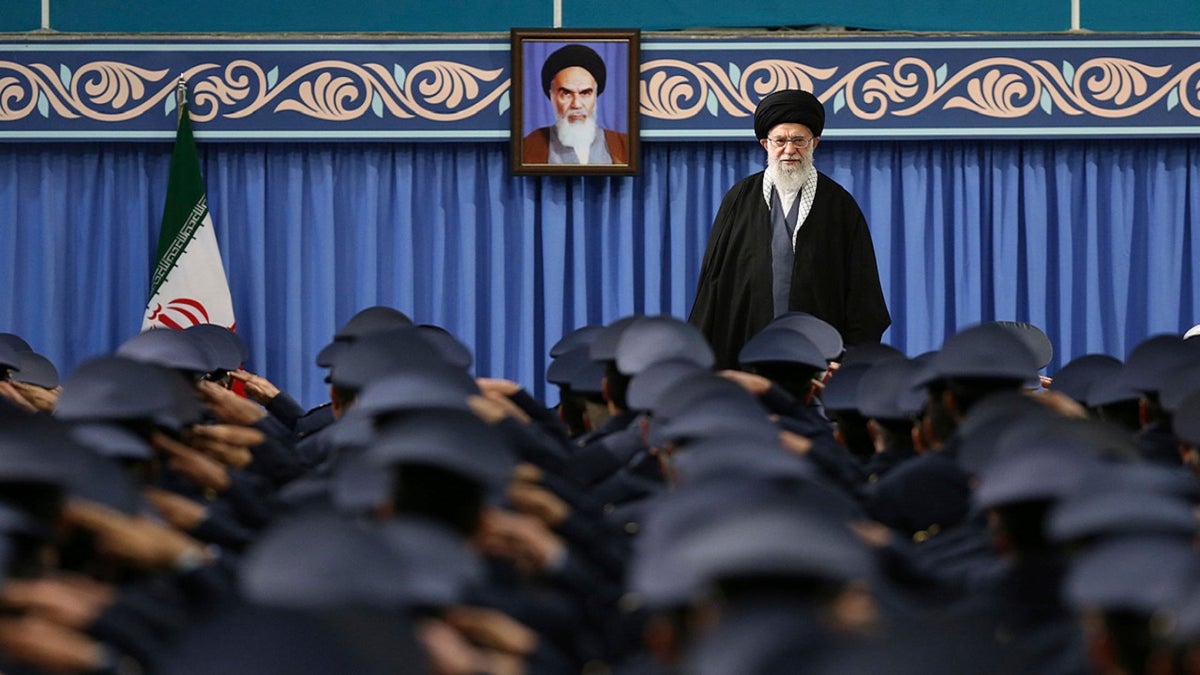
Following a 12-day conflict between Israel and Iran, the Iranian authorities are increasingly turning inward, intensifying their grip on the populace at an alarming rate. Kasra Aarabi, who leads IRGC research at United Against Nuclear Iran, describes this shift as moving towards a “North Korea-like model of seclusion and dominance.” Aarabi notes, “We’re observing a level of internal isolation that poses significant implications for the Iranian population. While the regime has always been authoritarian, the current level of oppression is unprecedented, unlike anything previously witnessed.”
Sources within Iran confirm that the crackdown has reached terrifying levels. Aarabi, who maintains communication with contacts inside the country, describes a nation under assault by its leaders.
In Tehran, random checks on citizens result in the confiscation and inspection of cell phones. “Possessing content perceived as supportive of Israel or critical of the regime can lead to disappearance,” Aarabi explains, adding that many Iranians now leave their phones behind or delete all data before leaving home. This new atmosphere of fear and suspicion mirrors methods used in North Korea, where disappearances and stringent information control are common. During the recent hostilities, Iran’s government enforced a complete internet shutdown, cutting off Israeli evacuation warnings and pushing narratives that depicted Israel as indiscriminately attacking civilians. Aarabi comments, “It was a deliberate move to instill fear while manipulating public perception.
For four days, communication was completely halted, preventing even Israeli warnings from reaching those in harm’s way.”
The regime aims to keep people off the streets and fracture the emerging camaraderie between Iranians and Israelis. At the outset of the conflict, many Iranians supported the strikes, recognizing that Israel was targeting the IRGC, which is responsible for domestic repression. However, as communication was cut and fear spread, some began to reassess the situation. Dr.
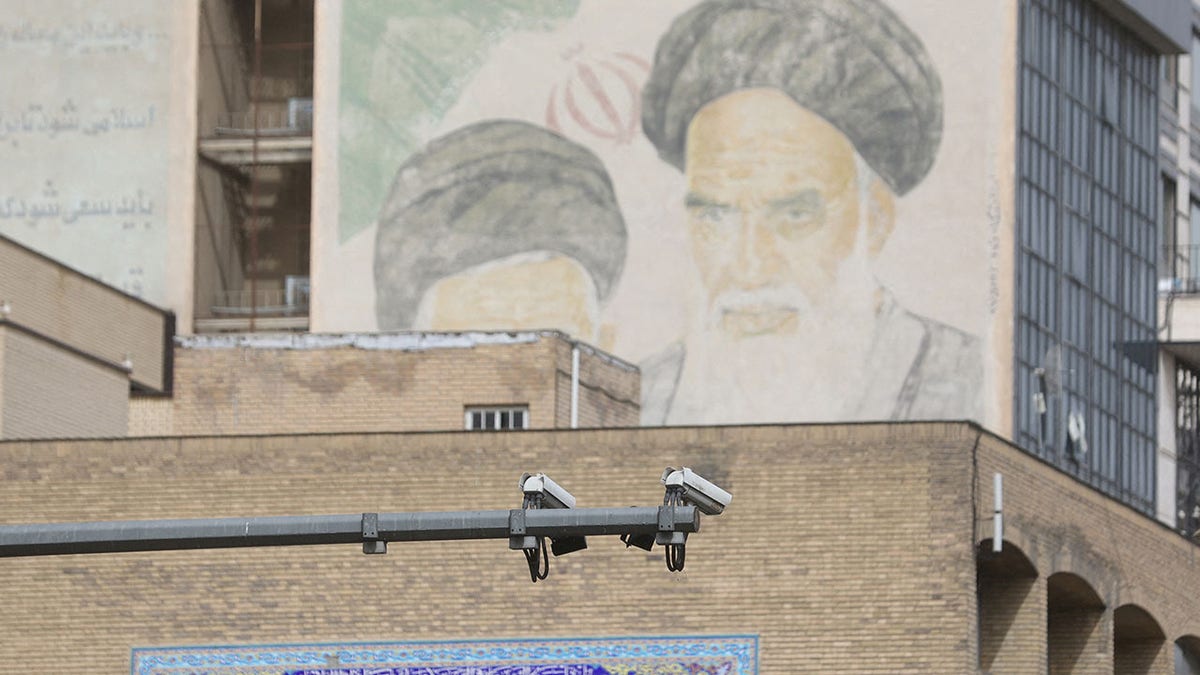
Afshon Ostovar, an expert on Iran and author of “Vanguard of the Imam,” asserts that domestic suppression remains a key strategy for the regime’s survival. “Oppressing the population is a straightforward task for them,” Ostovar notes. “It’s plausible that Iran might become more isolated and authoritarian, much like North Korea, to maintain the regime’s hold by firmly tightening control over the Iranian people.”
Within the power structure, the aftermath of the war is creating a severe internal crisis among the Islamic Revolutionary Guard Corps (IRGC), which now faces trust issues and imminent purges. Aarabi suggests, “These recent operations indicate infiltration at very high levels, necessitating an internal shake-up.”
The new generation of IRGC officers, joining after 2000, are younger, more radicalized, and more ideologically driven. Aarabi points out these factions are now challenging senior commanders, accusing them of being overly lenient or cooperating with Israel’s Mossad. Ironically, Supreme Leader Khamenei’s creation of these extreme cadres to consolidate power is now backfiring, as they have become more radical than anticipated, resulting in struggles for control.
A purge appears imminent, with the rise of younger, less experienced commanders ready to take more risks, potentially making the IRGC more unpredictable both at home and abroad. With Iran’s traditional military strategies compromised, terrorism may become the primary tool of influence. Aarabi remarks, “The regime’s pillars—militias, ballistic missiles, and its nuclear ambitions—have been either dismantled or significantly weakened, leaving only asymmetric tactics like covert terrorism as viable options.”
Despite the harsh internal shift, Aarabi argues this represents a weakness, not strength. “A confident Islamic Republic wouldn’t resort to such extreme measures against its own citizens,” he states. “The regime’s actions are born out of fear. Yet, until the oppressive structures are dismantled, the streets will remain quiet, making regime change improbable.”
Efrat Lachter is a distinguished investigative journalist and correspondent who has reported from over 40 countries.