Global oil markets convulsed on Wednesday as the compounding pressures of an active military conflict with Iran, a chokehold on one of the world’s most critical shipping lanes, and a seismic shift within the OPEC cartel drove crude prices to their highest levels in nearly three years.
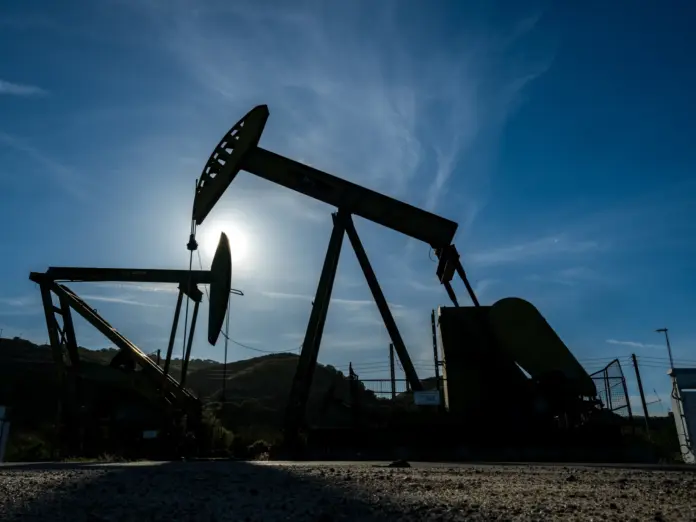
Brent crude settled up 6.08 percent, gaining $6.77 to close at $118.03 per barrel — briefly touching its highest price since June 2022 during intraday trading. US West Texas Intermediate crude climbed even more sharply, settling up 6.95 percent at $106.88. By early Thursday morning, Brent futures for June had pushed further to $119.94 per barrel, while WTI futures stood at $107.51 as of 00:57 GMT.
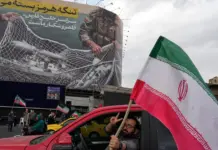
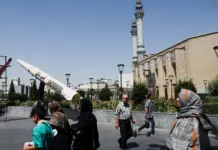
The rally reflects deepening anxiety over a conflict that has now stretched two months. The US-Israel military campaign against Iran has cost the Pentagon $25 billion to date, according to the Defence Department’s own accounting. Iranian forces have responded by imposing a blockade on vessel transit through the Strait of Hormuz — the narrow waterway through which a significant share of the world’s seaborne oil passes — while the United States simultaneously besieges Iranian ports and shipping.
President Donald Trump convened an emergency meeting with US oil company executives on Wednesday, seeking to identify ways to minimise disruption to domestic fuel supplies during what officials acknowledge could be a months-long siege of Iranian ports. Trump offered no immediate policy announcements following the session, but the meeting itself underscored the administration’s concern that prolonged supply disruption could translate into sustained pain at the pump for American consumers.
Adding another layer of volatility, the United Arab Emirates announced on Tuesday that it would formally withdraw from both OPEC and the broader OPEC+ alliance, effective May 1. The decision, made by UAE President Mohamed bin Zayed Al Nahyan, ends years of mounting tension between Abu Dhabi and the cartel over production caps that the UAE had long viewed as constraining its ambitions. Trump welcomed the move, describing it as a "great" development and "a good thing for getting the price of gas down."
The logic behind Trump’s optimism is straightforward: freed from OPEC’s production ceiling, the UAE could theoretically pump significantly more oil. The reality, however, is considerably more complicated. The UAE’s export infrastructure currently sits behind Iran’s Hormuz blockade, meaning any production increase cannot reach global markets until the waterway reopens. Wood Mackenzie analysts cautioned that Gulf producers, including the UAE, will require months to return to pre-war production volumes even after exports resume. Market analyst Tony Sycamore of IG described prospects for a near-term resolution to the Iran conflict or a reopening of the strait as dim.
The ripple effects are spreading well beyond the Gulf. The Asian Development Bank slashed its growth forecast for the Asia-Pacific region from 5.1 percent to 4.7 percent for the current year, citing energy market disruption as a primary driver. The downgrade carries particular weight given that almost the entire Asia-Pacific region depends on oil imports, with a substantial proportion sourced from Middle Eastern producers now caught in the crossfire of the conflict.
The UAE’s departure from OPEC, while potentially bullish for supply in the medium term, does little to ease the immediate crisis. The country’s dissatisfaction with the cartel’s production-capping policies had been building for years, and the war has effectively accelerated a rupture that many analysts considered inevitable. Whether Abu Dhabi’s exit prompts other Gulf producers to reconsider their own OPEC membership remains an open question — one that energy markets will be watching closely in the weeks ahead.
For now, the dominant variable remains the Strait of Hormuz. Roughly 20 percent of the world’s oil transits the narrow passage between Iran and the Arabian Peninsula, and every day the blockade holds, the pressure on global supply chains intensifies. With the US military campaign entering its third month and no diplomatic off-ramp visible, traders and governments alike are bracing for the possibility that elevated prices may not be a temporary spike but the new baseline of a protracted energy crisis.