Beijing/Washington — Donald Trump emerged from a two-day summit with Chinese President Xi Jinping in Beijing with a pointed message for Taiwan: do not declare formal independence. The warning, delivered as Trump departed for Washington, underscored the delicate diplomatic tightrope the United States continues to walk between its unofficial ally in Taipei and its strategic rival in Beijing.
Taiwan Independence Warning — Trump told reporters aboard his return flight that he and Xi had spoken "a lot" about Taiwan, and that the Chinese president "feels very strongly" about the island and "doesn't want to see a movement for independence." Despite the candid exchange, Trump insisted he had "made no commitment either way" regarding Taiwan's future status — a formulation carefully calibrated to avoid alarming either side.
In a subsequent interview on Fox News, Trump reiterated that American policy on Taiwan had not changed, and that he does not seek conflict with Beijing, expressing a desire for China to "cool down." Washington's long-standing position holds that it does not support Taiwanese independence — a stance that predates the current administration and has been a cornerstone of US-China relations for decades.
Recommended Reading
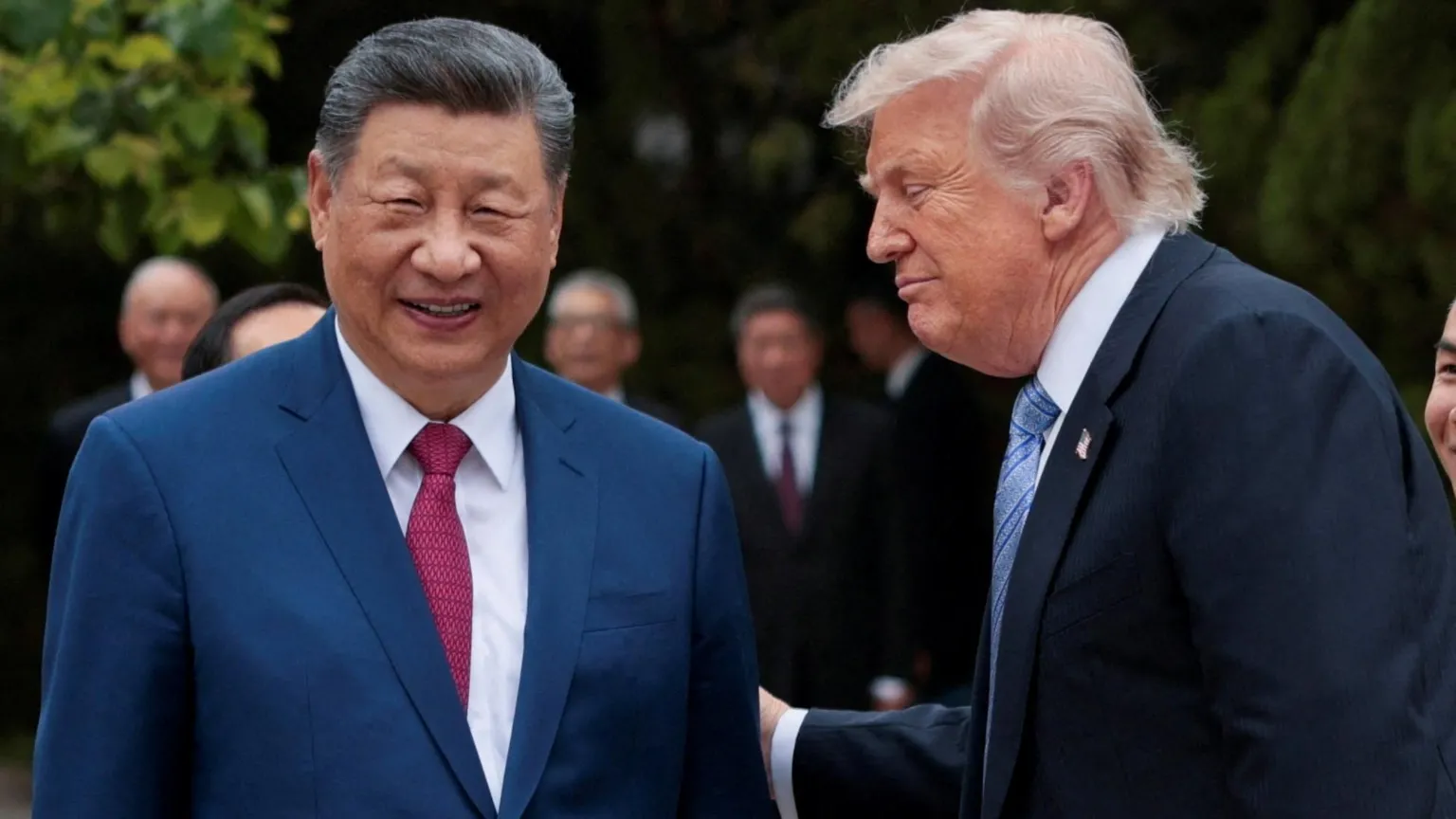
The summit has nonetheless heightened scrutiny over a pending $11 billion weapons package for Taiwan. Trump confirmed the package is under active consideration and said its details would be discussed with Taiwan's leadership before any decision is made. Under US law, Washington is obligated to provide Taiwan with the means to defend itself, even though the two sides maintain no formal diplomatic relations — a carefully managed arrangement of substantial unofficial ties that has persisted for more than four decades.
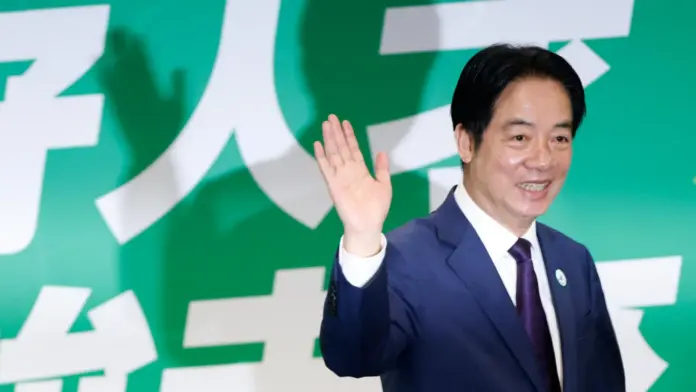
Taiwan's government pushed back firmly against any suggestion that its sovereignty is in question. Karen Kuo, the presidential spokesperson in Taipei, stated on Saturday that Taiwan is "a sovereign, independent democratic country." President Lai Ching-te has previously argued that Taiwan has no need to declare formal independence because it already considers itself a sovereign nation — a position that reflects the views of most Taiwanese citizens, who broadly favour maintaining the current status quo rather than pursuing either formal independence or unification with China.
That status quo — in which Taiwan neither declares independence nor formally unites with the mainland — has been the operating framework for cross-strait relations for decades. Beijing, however, claims Taiwan as an integral part of its territory and has never renounced the use of military force to bring the island under its control. In recent years, China has significantly intensified military drills in the waters and airspace surrounding Taiwan, and Chinese officials have previously labelled President Lai a "troublemaker" and a "destroyer of cross-strait peace."
Taiwan's presidential office expressed gratitude for Trump's continued commitment to security in the Taiwan Strait, noting support that has extended since his first term in office. US presidents do not traditionally engage in direct communication with Taiwan's leader, a protocol maintained to avoid provoking Beijing, for whom any such contact would carry significant symbolic weight.
Taiwan Independence Warning: Cross-Strait Relations in Focus
The broader architecture of US-China relations adds further complexity. Washington's continued engagement with Beijing rests on China's acceptance of the "one China" framework — the principle that there is only one Chinese government — even as the United States simultaneously arms and supports Taiwan's capacity for self-defence. Navigating that contradiction has challenged every American administration for generations, and Trump's Beijing summit appears to have produced no fundamental shift in that calculus.
What the summit did produce was a renewed public articulation of the limits Washington is willing to place on Taipei's political ambitions — limits that, for now, Taiwan's government shows little sign of accepting without qualification.