Israeli Spy Threat — The Pentagon’s Defense Intelligence Agency has upgraded its assessment of Israeli espionage directed at the United States to ‘critical’ — the highest threat designation — as tensions mount between Washington and Tel Aviv over the future of their joint war against Iran.
The reclassification, elevated from a previous rating of ‘high’, reflects growing alarm within American intelligence circles over what officials describe as increasingly aggressive Israeli surveillance operations targeting senior figures inside the US government. The DIA traced the surge in activity to late 2024, with the pace accelerating after President Donald Trump returned to the White House in 2025.
At the centre of the intelligence concern is Israel’s reported effort to monitor American officials who hold direct influence over war policy. Steve Witkoff, Trump’s special envoy and the lead negotiator in nuclear talks that preceded the initial US-Israeli strike on Iran on February 28, has been identified in recent intelligence assessments as a target of Israeli surveillance. So too have Elbridge Colby and Michael DiMino IV, both senior Pentagon policy officials.
Recommended Reading
The apparent objective, according to the intelligence assessment, is to give Prime Minister Benjamin Netanyahu‘s government visibility into internal White House deliberations — particularly regarding Trump’s stated desire to bring the conflict to a close. Trump has repeatedly signalled his intention to end the war, a position that has placed him at odds with Netanyahu, who has called for fighting to resume despite an April 8 ceasefire that has largely halted hostilities.
The scale of the alleged espionage is striking. Intelligence officials assess that Israeli spying activity currently surpasses that of all other US allies in intensity — and even exceeds the efforts of several countries with far more adversarial relationships with Washington.
This is not the first time Israeli intelligence has been linked to operations on American soil. In 2021, Israeli military intelligence was found to have attempted to plant listening devices at the DIA’s own headquarters. More recently, in 2025, Israel’s domestic intelligence agency Shin Bet was discovered to have tried to install a listening device inside a Secret Service vehicle — a brazen act targeting the agency responsible for protecting the US president and other senior officials.
A spokesperson for the Department of Defense flatly denied the reporting, calling the accounts ‘false.’ The denial came in response to inquiries from multiple news outlets that published details of the threat level change within a day of each other.
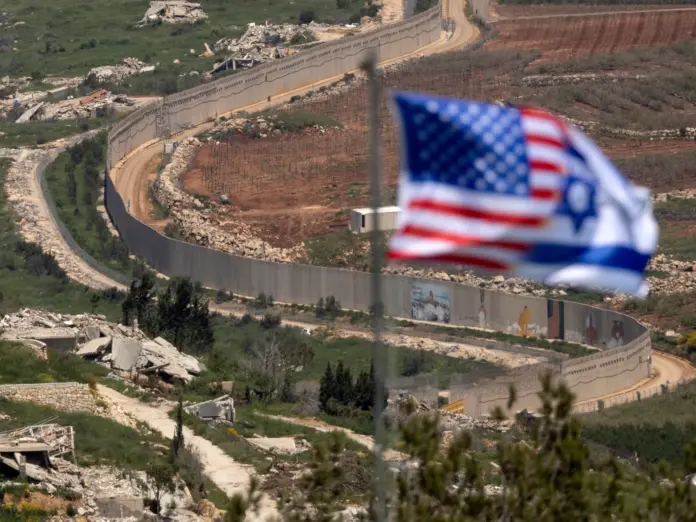
The revelations arrive at a particularly delicate moment in the US-Israeli relationship. Washington has supplied Israel with billions of dollars in military aid and weapons over many years, and the US Congress is currently debating legislation that would integrate American and Israeli research and development programmes for military weaponry — a measure that would deepen defence ties further.
Israeli Spy Threat: Regional Implications
Yet the intelligence picture suggests a relationship under significant strain beneath its public surface. The war with Iran, launched jointly on February 28, has created divergent pressures on both governments. Trump faces domestic and international calls to negotiate an end to the conflict, while Netanyahu — navigating his own political pressures — has pushed for a return to active combat even as the April ceasefire holds.
It is precisely that gap in strategic intent that appears to be driving Israeli intelligence collection. By monitoring the officials closest to Trump’s decision-making — including the envoy who brokered the pre-war nuclear talks — Israel’s intelligence apparatus is reportedly seeking to anticipate and potentially influence American policy before any final decisions are made.
The episode underscores a long-running paradox in the US-Israeli alliance: two governments bound by deep military, financial, and political ties, yet engaged in a persistent shadow conflict over information and influence. For Washington, the elevation of Israel’s espionage threat to ‘critical’ status represents an unusually stark acknowledgement of that tension — one that now sits at the heart of an active war.