PORT-AU-PRINCE, Haiti — Doctors Without Borders suspended all hospital operations in the Cite Soleil neighbourhood of Port-au-Prince on Monday after a security guard was struck by a stray bullet inside the medical compound, underscoring the catastrophic deterioration of safety conditions in Haiti’s capital as gang violence reaches a new intensity.
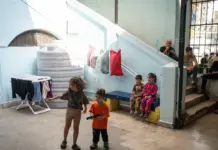
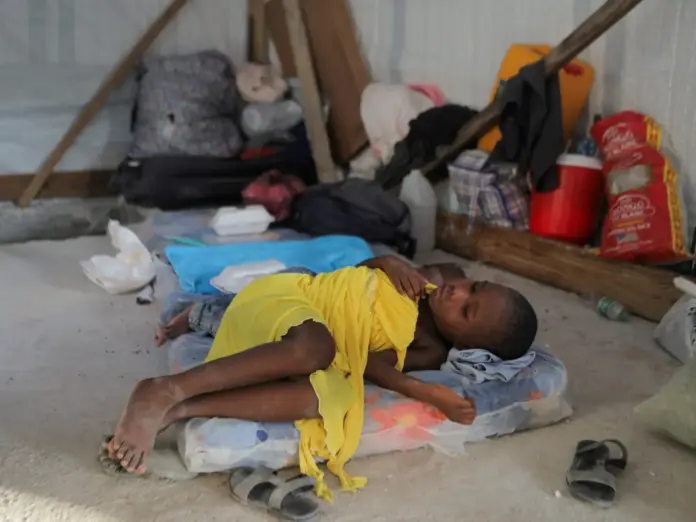
Msf Haiti Hospital — The organisation, known internationally as Médecins Sans Frontières (MSF), said it could no longer guarantee the safety of its staff or patients amid sustained gunfire in the surrounding area. Despite the suspension of services, approximately 800 displaced residents have sought shelter inside the hospital’s grounds, treating the facility as a refuge of last resort from the fighting raging outside.
The situation has left a medical vacuum in one of the city’s most densely populated and vulnerable districts. MSF confirmed that no hospitals are currently operational in the areas where the fighting is concentrated — a dire reality for civilians caught in the crossfire.
Recommended Reading
The violence has already forced emergency responses at other facilities. Hôpital Fontaine evacuated newborns from its intensive care unit as conditions deteriorated, with MSF subsequently treating patients transferred from that hospital, including pregnant women who gave birth overnight at the compound. The scenes illustrate the human cost of a healthcare system pushed to the point of collapse.
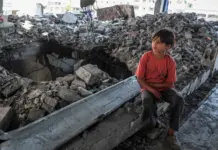
Gunmen burned buildings in neighbourhoods where many displaced residents had been living, forcing thousands onto the streets. Civilians displaced by weekend fighting took refuge along the road leading to Toussaint Louverture International Airport, with nowhere safe to go. Among them was Monique Verdieux, 56, who was sleeping in the street, too afraid to return to her home.
"This is a new wave of violence," MSF warned, framing the current outbreak as a dangerous escalation even by the grim standards Haiti has endured in recent years.
Gangs have held effective control over large swaths of Port-au-Prince since 2021, the same year President Jovenel Moïse was assassinated, plunging the country into a prolonged political and security crisis. Successive efforts by Haitian authorities to suppress armed groups and restore order have largely failed to produce lasting results.
Msf Haiti Hospital: Regional Political Context
A contingent of foreign troops arrived in Haiti in April as part of a United Nations-linked security initiative, raising cautious hopes of stabilisation. However, past international military interventions in the country have done little to meaningfully reduce insecurity, and analysts remain sceptical that the latest deployment will prove transformative in the short term.
The fighting between rival armed factions has placed an enormous strain on the civilian population, disrupting access to food, water, and medical care across entire districts. With MSF — one of the few organisations still providing frontline healthcare in Cite Soleil — now forced to halt its services, the humanitarian outlook for residents trapped in the area has grown significantly darker.
International humanitarian organisations have repeatedly called for urgent action to protect civilians and restore basic services in Port-au-Prince, but the combination of political instability, entrenched gang power, and limited state capacity has made meaningful intervention extraordinarily difficult. The suspension of MSF’s hospital operations represents one of the starkest illustrations yet of how thoroughly the violence has overwhelmed civilian infrastructure in Haiti’s capital.